

VW Tiguan AC Hose Parts
Showing 1 out of 1 part(s) found in our catalog.
Brand
Keyword
Category
Select category below to view parts.
Mon-Fri 8-4 MST/PST (Arizona Time)

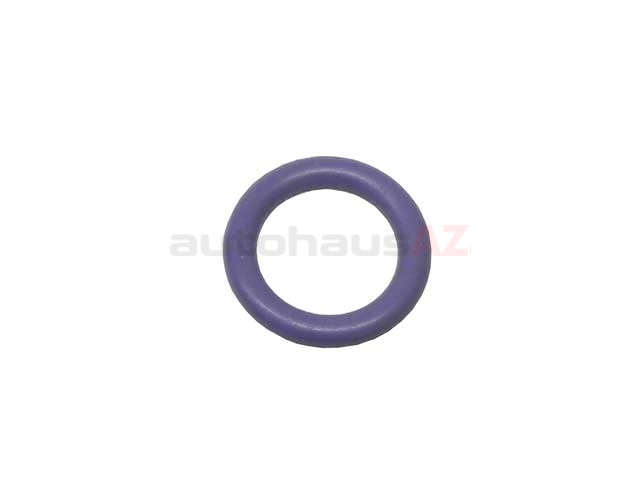


VW Tiguan ac hose typically cost between $1.89 and $1.89.
What Are The Signs Of A Failing VW Tiguan AC Hose?
When the VW Tiguan AC hose is on its way out, you might catch a few clues early on. Cool air from the vents may start to feel weaker, almost like the system's losing its punch. Sometimes, there’s a faint hissing from under the hood—almost like air escaping. A look around might reveal greasy spots at the hose connections or even a greenish puddle, hinting at a slow refrigerant leak. Odd smells drifting from the vents can raise red flags too. If your AC cycles on and off more than usual, or you spot frost clinging to the lines, it’s time to pay closer attention. Noticing these signs soon helps you dodge costlier repairs down the line.
How Much Does It Cost To Replace The Vw Tiguan AC Hose?
The cost to swap out a VW Tiguan AC hose isn’t fixed, but here’s what most drivers can expect. The hose itself often lands between forty and one hundred bucks, depending on the type and brand. Labor could add another hundred to two hundred dollars, since shops typically need about one or two hours for the job. That brings most repair bills to somewhere between one forty and three hundred dollars. Keep in mind, if your system lost a nice chunk of refrigerant, there’s the extra expense of a recharge. Prices change from shop to shop, but this range covers most situations.
Can I Drive My VW Tiguan With A Leaking AC Hose?
If you’re wondering whether you can keep driving when your VW Tiguan AC hose leaks, the short answer is yes—but it’s not a great move. The AC will struggle or quit all together once enough refrigerant escapes, which makes hot days brutal. What’s worse, leaks can let in moisture or dirt, which starts to harm the compressor and other parts over time. That harmless-sounding hiss under the hood might turn into a much bigger repair bill later. Fixing a leak early saves money and stops the problem from spreading through your AC system.
What Causes The VW Tiguan AC Hose To Leak Or Fail?
AC hoses don’t last forever. On the VW Tiguan, the main culprits behind failure include simple age and daily wear. Heat from the engine, road vibration, and even the jostling from potholes break down rubber and the metal fittings. Sometimes, a sharp rock or bit of debris gets tossed up and nicks the line. If oil or coolant from other engine leaks sits on the hose, the chemicals can weaken it. Even small mistakes like over-tightening a clamp can put the hose in early trouble. Sooner or later, most hoses will show their age in one way or another.
Is Replacing The VW Tiguan AC Hose A DIY-Friendly Repair?
Plenty of drivers think about taking on a VW Tiguan AC hose replacement themselves. For those with some hands-on experience and a decent tool kit, the job is manageable. The important thing is properly emptying the refrigerant before undoing any lines, which isn’t a part you should skip. Swapping the hose itself isn’t tough, but getting every seal tight and leak-free takes focus. Refilling and pressurizing the AC, though, usually needs pro tools and a trained eye. Doing part of the job yourself can cut down on labor costs if you let a shop handle the final recharge.
Why Buy Your VW Tiguan AC Hose From AutohausAZ?
Ordering your VW Tiguan AC hose from AutohausAZ takes some of the usual hassle out of repairs. Prices drop the sticker shock and the website’s simple to navigate. The team gets your parts out the warehouse fast, so you’re not left waiting for days. Mistakes happen—maybe you grab the wrong part—returns are easy and not a headache at all. The parts catalog is always up to date, so you don’t need to double check fitment somewhere else. Whether you’re patching up your Tiguan for the first time or it’s just another fix in a long line, AutohausAZ tries to make sure getting the part feels easy. Good service and fair prices are their main promise, which explains why so many folks come back when something under the hood needs attention.