

VW Tiguan Oil Cooler Parts
Showing 5 out of 5 part(s) found in our catalog.
Brand
Keyword
Subcategory
Mon-Fri 8-4 MST/PST (Arizona Time)




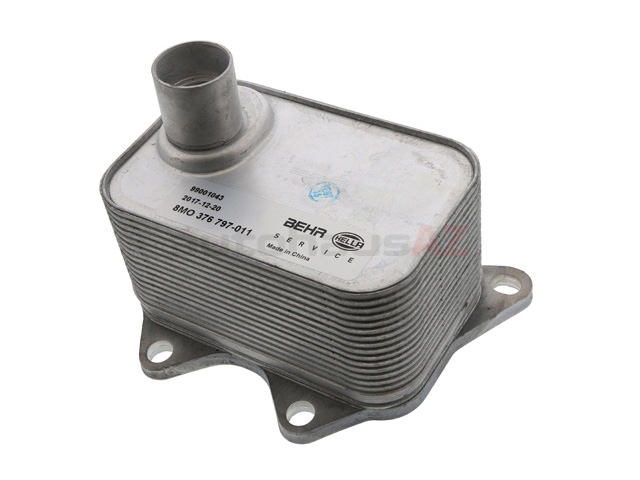
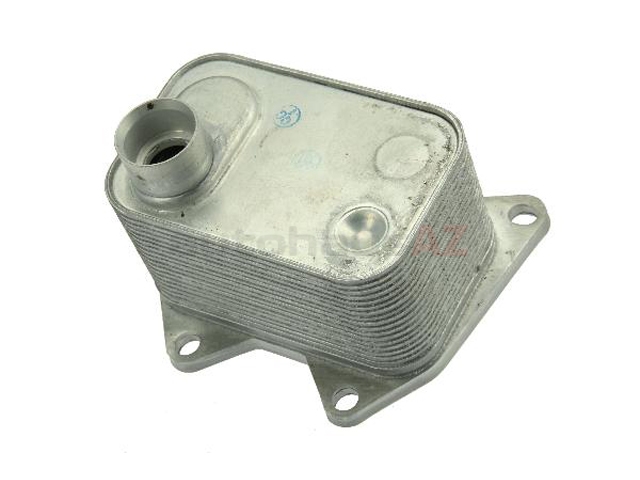

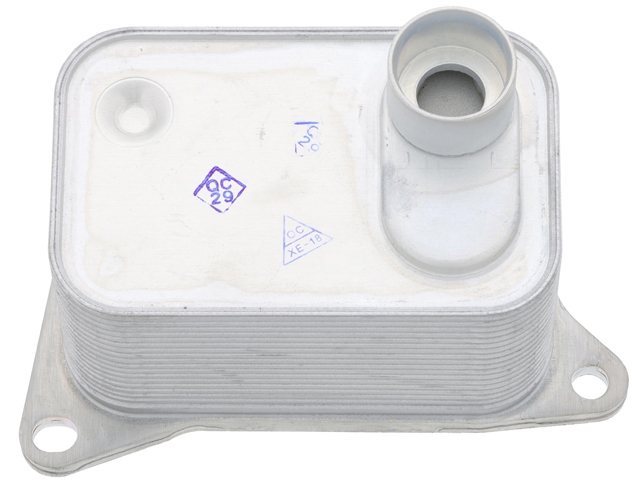
The average cost of a VW Tiguan oil cooler is between $44.99 and $93.99.
What Are Common Signs Of A Faulty VW Tiguan Oil Cooler?
When something’s off with the VW Tiguan oil cooler, drivers usually notice leaks under the car—either oil or coolant building up near the engine area. You might catch a sweet smell if coolant mixes with oil lines, almost like syrup or burnt sugar under the hood. The temperature gauge can start reading higher than usual, even when driving around town. If you pop the oil filler cap and see a creamy sludge or milky film, coolant’s getting mixed in—a sure warning. The engine can start losing power or may misfire every now and then. Any of these signs means it’s time for a closer look, as waiting too long can turn minor fixes into bigger, pricier repairs.
How Much Does It Cost To Replace A VW Tiguan Oil Cooler?
The bill for a new VW Tiguan oil cooler covers more than just the part itself. Actual coolers run around $150 up to $350, depending on the brand and if you want OEM or aftermarket. Labor adds a bigger chunk, usually three to five hours’ work, anywhere from $300 to $600 at most shops. A dealership tends to charge toward the higher end, especially if the job uncovers worn gaskets or hoses. Sometimes, extra costs creep in if more engine work is needed. The smart move is getting quotes from at least two or three mechanics. If you’re up for a challenge and have the tools, swapping out the cooler at home can knock down your total spend—although it’s not a quick afternoon project for most.
Can I Drive With A Leaking VW Tiguan Oil Cooler?
Driving with a leaking VW Tiguan oil cooler is risky. Even a slow drip between oil changes can snowball into major engine trouble. Oil mixed with coolant lets goop collect where it shouldn’t, and parts that depend on clean oil will wear fast or overheat. Some keep driving, hoping to make it to the next service appointment—it’s a gamble that rarely pays off. If you spot a leak or milkshake-like oil, best to park and fix the issue right away. Waiting often means a bigger repair and a bigger hit to your wallet.
How Do You Identify If The VW Tiguan Oil Cooler Needs Maintenance Or Replacement?
It’s not always easy to catch problems early, but checking your oil and coolant often helps. Look for oil or coolant building up under the cooler. Pull the dipstick or oil cap and scan for any milky residue. Watch that dashboard temp needle for signs of overheating, especially on busy days or longer drives. Notice oil inside the coolant reservoir? That’s another warning. It’s simple—regular checks beat finding trouble by surprise at the side of the road. Not sure? Let a trusted mechanic inspect the cooler for leaks and do a pressure test for peace of mind.
What Causes VW Tiguan Oil Cooler Failure?
Most VW Tiguan oil cooler failures come down to aging seals and gaskets—they get brittle, shrink, and stop sealing well. Skip oil or coolant changes and you’ll get corrosion or gunk blocking the narrow passages. Over time, hot-cold cycles from daily driving weaken the structure and welds. Sometimes, issues like a bad thermostat or failing water pump put extra stress on the system, pushing the cooler too hard. Stick with scheduled maintenance and quality fluids if you want years out of this part.
Looking For An Affordable VW Tiguan Oil Cooler?
AutohausAZ helps take the hassle out of repairs. Their VW Tiguan oil coolers come at solid prices—no need for coupon surfing. Orders usually ship out fast, so your downtime is short. If there’s a mistake, the return policy is easy to follow. Get the part you need, keep the process simple, and get your Tiguan back on the road sooner.