

VW Tiguan Radiator Hose Parts
Showing 4 out of 4 part(s) found in our catalog.
Brand
Keyword
Subcategory
Mon-Fri 8-4 MST/PST (Arizona Time)

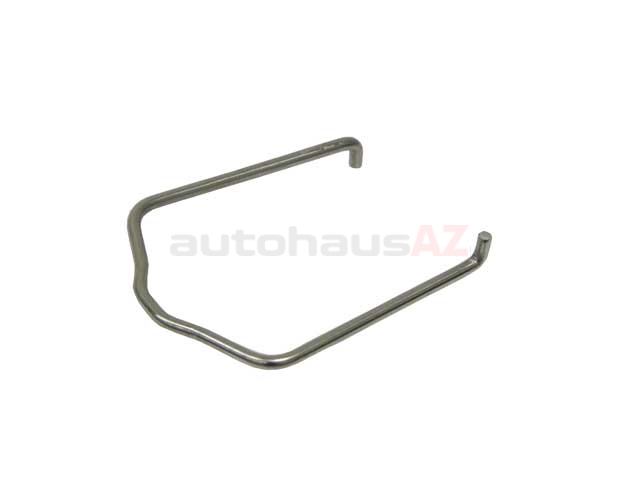


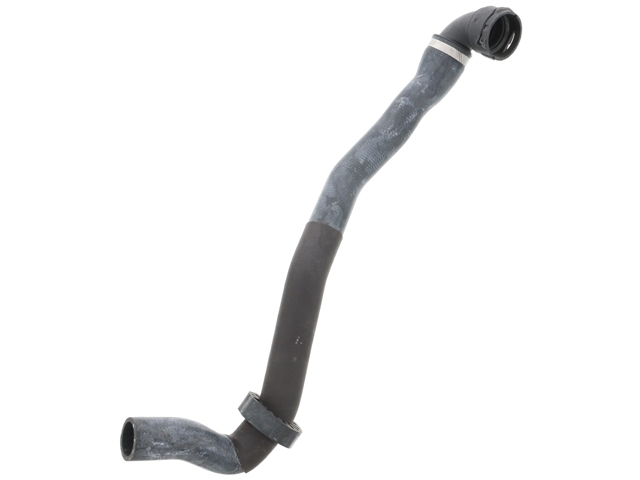
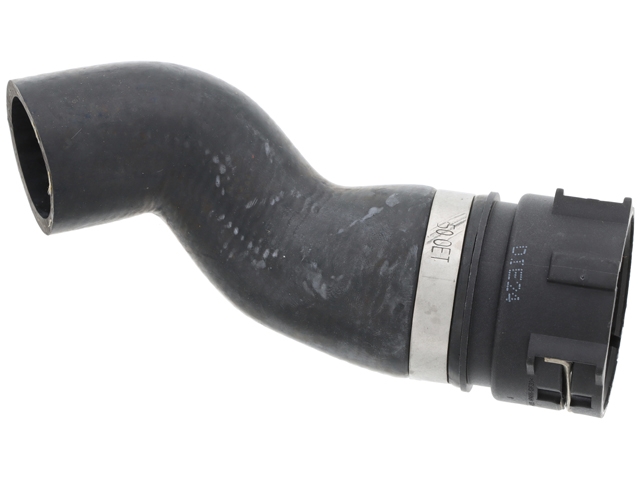
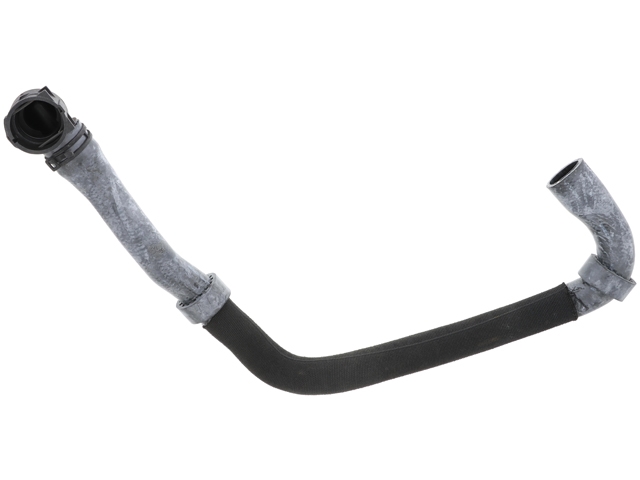
Based on industry averages you can expect to pay between $2.09 and $50.99 for a VW Tiguan radiator hose.
How Can I Tell If My VW Tiguan Radiator Hose Needs To Be Replaced?
You might notice something’s off before a VW Tiguan radiator hose actually fails. Cracks along the rubber, damp spots, or small leaks are early warnings. Sometimes a soft squeeze will reveal the hose is spongy or way too soft. That feeling means the material is breaking down. Sudden drops in your coolant reservoir, puddles under the car, or the temperature gauge climbing higher during normal driving are all good reasons to check the hoses. Glance at the condition during oil changes or when you’re under the hood. Fixing a hose before it breaks can spare you from bigger headaches on the road.
What Causes The VW Tiguan Radiator Hose To Leak?
Leaks in a VW Tiguan radiator hose usually trace back to age or heat. Rubber loses its strength and flexibility year by year, turning brittle with exposure under the hood. Sometimes the clamps loosen or start to rust, which lets coolant slip past the seal. Oil drips, accidental scrapes, and brushes with sharp engine bay parts chew into the hose as well. Even a sticky radiator cap that allows pressure to build can push too much force through the hoses until something gives. Spotting a green or pink streak in the engine bay almost always points to a hose in trouble.
How Difficult Is It To Change The VW Tiguan Radiator Hose Yourself?
Changing your VW Tiguan radiator hose is usually manageable at home if you’re comfortable with wrenches and willing to take your time. Let the engine cool first, then open the coolant drain plug and catch the old coolant. Loosen or cut away the hose clamps, pull off the old hose, and slide on the new one. Tucking the hose into place can be fiddly, depending on what’s in the way in your engine bay. Everything’s easier with a repair guide on hand. Once finished, refill the coolant system and follow your manual’s steps to bleed air so no bubbles get trapped.
Which VW Tiguan Radiator Hose Is Most Likely To Fail First?
When checking your Tiguan’s hoses, cast a careful eye on the lower radiator hose. It’s closest to road splash and gets battered by debris, dirt, and vibration from the road. The upper hose handles higher temperatures but usually escapes the worst of direct hits from below. If any wear shows up on the lower hose—like bulging, splitting, or seepage—it’s smart to replace both hoses while you’re in there. That way, you keep everything balanced and avoid an emergency in the future.
What Are The Signs Of Air In The VW Tiguan Radiator Hose After Replacement?
Air pockets can sneak into the system after a hose swap, and the engine will show it. Look for odd swings on the temp gauge, or listen for sloshing or gurgling inside the dash or bay. If the heater blows cold air instead of warm, trapped air could be the reason. You may also notice bubbling in the coolant reservoir. Fixing this calls for patience—bleed or burp the system as described in your owner’s manual. A clean, steady stream of coolant and normal heat means the air is out and everything’s working.
Why Choose AutohausAZ For Your VW Tiguan Radiator Hose?
Shopping at AutohausAZ gives you more than a part for your VW Tiguan radiator hose job—it’s a smoother fix from the start. Quality products meet you at prices that let you handle repairs without stress. Orders ship out quickly, so you’re not left waiting for days. The whole process, from browsing to returns, unfolds simply. If a part isn’t right or plans change, the return is sorted without any hoops. Whether you’re wrenching for fun on weekends or running repairs in a shop, you’ll find straightforward help and steady savings here. Needing a part shouldn’t mean hassle or downtime. With AutohausAZ, it doesn’t.