

VW Vanagon Oil Cooler Parts
Showing 2 out of 2 part(s) found in our catalog.
Brand
Keyword
Subcategory
Mon-Fri 8-4 MST/PST (Arizona Time)

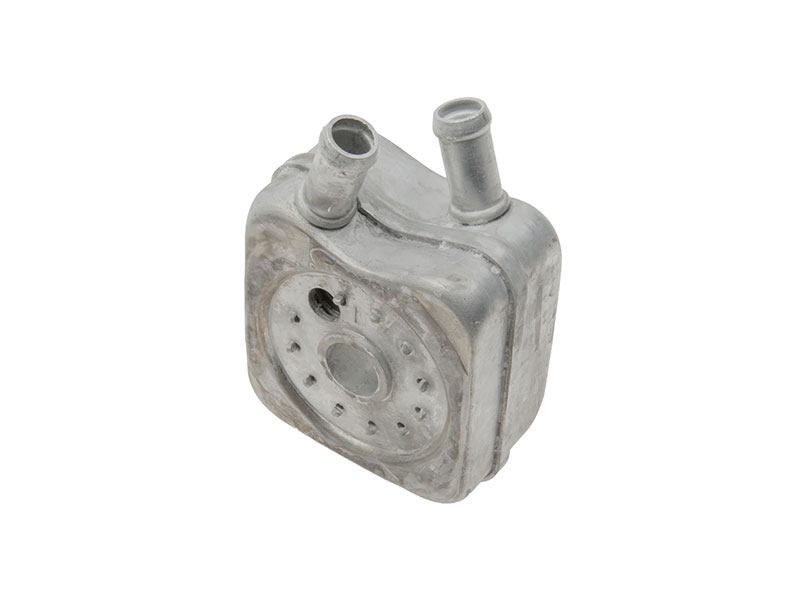


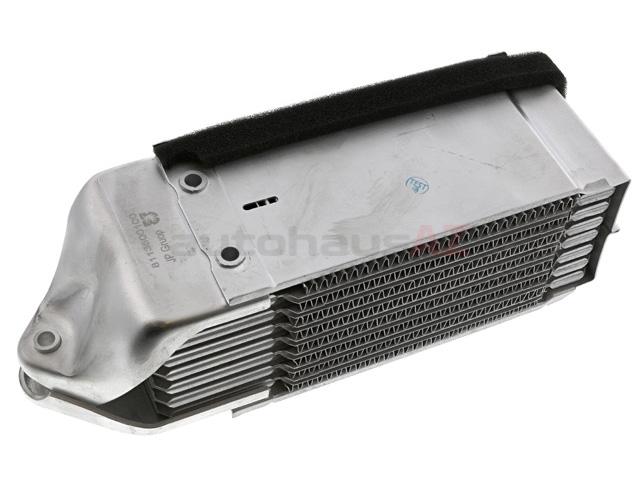
The average price of a VW Vanagon oil cooler is between $47.99 and $98.99.
What Causes Leaks In The VW Vanagon Oil Cooler?
VW Vanagon oil cooler leaks show up sooner or later for most owners. The seals are often the first things to let go—heat cycles, age, and even just sitting parked can make them dry and brittle. Metal parts can corrode, especially if coolant hasn’t been changed on time, and that leads to hairline cracks or pits. Installing the cooler with too much force or not lining things up right brings its own trouble, squeezing out gaskets or stressing fittings until they leak. If you spot oil floating in the coolant tank, or coolant in your oil, the cooler has probably failed. Staying ahead with new seals and regular checks can save you headaches and keep your engine healthy.
How Do You Replace The VW Vanagon Oil Cooler Seals?
Getting to the VW Vanagon oil cooler seals means clearing some space under the engine cover. Drain the engine oil and coolant first—no one likes slipping in a puddle. Take off the alternator and any hoses blocking your path. Once you see the cooler, loosen the bolts, then slide it away from the block. Scrape away any old gasket bits so you start fresh. Press the new seals in gently, avoiding pinches or twists. Bolt everything back, following torque specs. Refill the oil and coolant, then run the engine and peek for drips. If it stays dry, you’ve done it right.
How Can You Tell If The VW Vanagon Oil Cooler Is Failing?
When the oil cooler in a VW Vanagon starts failing, warning signs appear fast. Oil and coolant mixing create a milky sludge under the oil cap or floating in the expansion tank. Some drivers notice the engine losing coolant for no clear reason, or overheating at odd times, like after a long hill. Low oil pressure and odd engine noises sometimes join the list. If you spot leaks or stains near the cooler itself, don’t ignore them. Keep driving like that and engine repairs get expensive.
What Are The Best Replacement Options For The VW Vanagon Oil Cooler?
Most Vanagon owners stick with an OEM oil cooler when it’s time for a replacement. They fit well and hold up, but the cost can sting. Others check out aftermarket coolers, hoping for a break on price or a bump in durability. Some brands offer better materials or designs that fight off corrosion, and for some engines, that’s worth the switch. Before you order, double-check your Vanagon’s year and engine type—small mismatches can turn a simple job into a tough one. Choose a unit that fits like the original, and you’ll avoid cutting or bending things to make it work.
Can You Upgrade The VW Vanagon Oil Cooler For Better Performance?
Upgrading the VW Vanagon oil cooler makes sense if you see hot summers, big mountains, or a lot of towing. Bigger units or stacked-plate designs help shed more heat. Swapping to these sometimes means custom mounts or plumbing, and tight spaces under the engine lid don’t give much room to improvise. Ask yourself if you really need the extra cooling—factory models handle normal driving and light loads. Done well, an upgrade keeps engine temps in check and gives peace of mind when you’re pushing it a little harder.
Where Can You Find Affordable VW Vanagon Oil Coolers?
AutohausAZ usually has the VW Vanagon oil cooler you need, with prices that don’t make you wince. You won't be waiting weeks for parts, either—they ship fast. If something’s wrong, returns happen without hassle. The site’s easy to use, and you can spot deals to save even more on your next order. Getting your Vanagon back on the road shouldn’t be a struggle.