

Audi 100 Serpentine Belt Parts
Showing 1 out of 1 part(s) found in our catalog.
Brand
Keyword
Subcategory
Mon-Fri 8-4 MST/PST (Arizona Time)

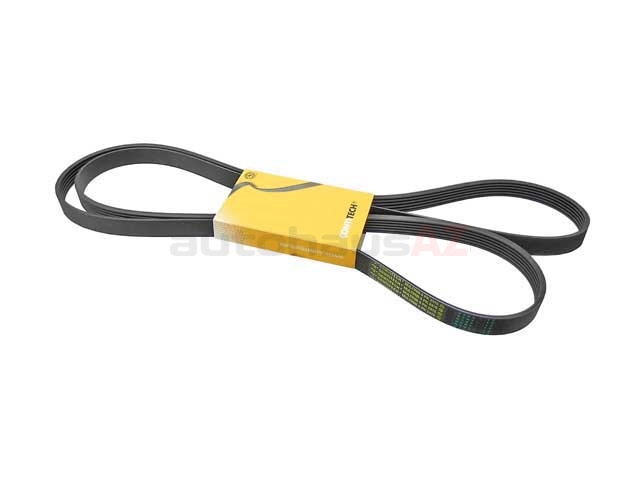


The average cost of a Audi 100 serpentine belt is between $24.99 and $24.99.
How Often Should The Audi 100 Serpentine Belt Be Replaced?
The Audi 100 serpentine belt is a key part of your car’s engine, helping power important components like the alternator, power steering, and A/C. Most drivers and mechanics recommend having the belt checked around every 60,000 miles, and planning for replacement between 80,000 and 100,000 miles. However, factors such as local driving conditions, exposure to debris, or the specific engine setup can affect how long your belt lasts. If you spot cracks, fraying, or glaze on your Audi 100 serpentine belt, don’t wait—swap it out sooner to avoid breakdowns and expensive repairs.
What Are The Signs Of A Failing Audi 100 Serpentine Belt?
If your Audi 100 serpentine belt is on its way out, you’ll often hear a squealing sound coming from under the hood when you start the engine or turn on the A/C. Other warning signs include visible wear (like cracks or missing pieces), or suddenly losing power steering or air conditioning. In some cases, the battery light or engine temperature light may pop up on your dash because the belt also powers the alternator and water pump. Checking your belt regularly and listening for new sounds can help you catch a problem before it leaves you stranded.
Can I Change The Audi 100 Serpentine Belt Myself?
Plenty of Audi 100 owners handle serpentine belt replacements at home. If you’re comfortable with a wrench and have a bit of patience, you can do it yourself. You’ll need to loosen the tensioner pulley, remove the old belt, and install the new one by following the correct routing. Having a repair manual for your specific model year makes the job easier. Before you start the engine, triple-check the belt routing to make sure it matches the diagram—otherwise, you risk damaging engine components or the new belt.
What Is The Correct Tension For The Audi 100 Serpentine Belt?
Getting the right tension on your Audi 100 serpentine belt makes a big difference. Belts that are too loose can start slipping or making noise, while ones that are too tight will wear out faster and can stress engine parts. Most Audi 100 models have an automatic tensioner that sets the tension for you—just be sure it’s locked in place when you’re done. If your car uses a manual adjuster, the owner’s manual will give you the precise specs, but generally, you want about half an inch of give at the belt’s longest point. Setting it right helps everything run smoothly and extends the life of the belt.
What Causes The Audi 100 Serpentine Belt To Wear Prematurely?
Several factors can speed up wear on a Audi 100 serpentine belt. Leaks from oil or coolant can break down the belt’s rubber, making it brittle and cracked. Worn-out tensioners or pulleys can make the belt slip or wear unevenly. Sometimes, if pulleys aren’t lined up or the belt wasn’t installed quite right, it can cause early failure too. Checking for leaks and listening for odd squeaks or chirping sounds when the engine’s running will go a long way in spotting issues early. Taking care of these smaller problems can help your new belt last as long as possible.
Why Shop Audi 100 Serpentine Belts With Us?
When you need a new Audi 100 serpentine belt, we make it straightforward. At AutohausAZ, you get top brands at discounts that won’t stretch your wallet, with fast shipping to get you back on the road quickly. Plus, returns are simple if you ever need to make a swap. We’re here to make buying your serpentine belt easy, affordable, and hassle-free—just the way it should be.