

Audi 90 Fuel Vapor Leak Detection Pump Parts
Showing 2 out of 2 part(s) found in our catalog.
Brand
Keyword
Subcategory
Mon-Fri 8-4 MST/PST (Arizona Time)



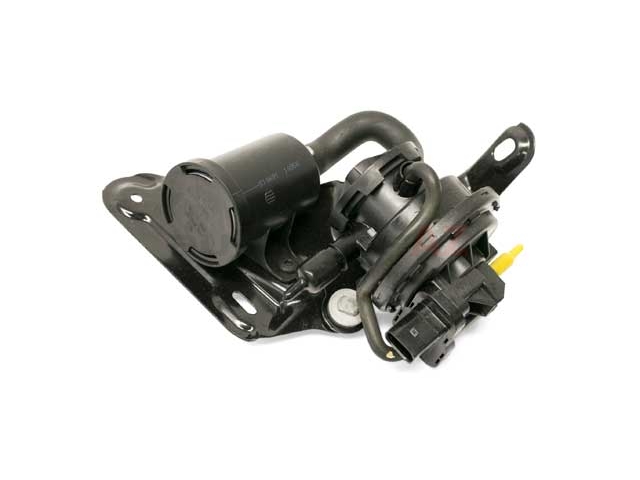
The average price of a Audi 90 fuel vapor leak detection pump is between $371.99 and $371.99.
What Does The Audi 90 Fuel Vapor Leak Detection Pump Do?
The Audi 90 fuel vapor leak detection pump sits at the heart of the EVAP system, quietly keeping your car more eco-friendly. Its job is to test for leaks in the vapor lines that lead from the fuel tank. When you start your Audi, or after you’ve driven a bit, the pump pushes a bit of air through these lines, checking if the system holds pressure. If it can’t, the pump sounds the alarm by setting off a warning on your dashboard. This helps catch problems before they turn into bigger headaches or emissions test failures.
How Can I Tell If My Audi 90 Fuel Vapor Leak Detection Pump Is Malfunctioning?
If the Audi 90 fuel vapor leak detection pump goes on the fritz, your car might tell you in a few different ways. Most drivers notice the check engine light first—it turns on and doesn’t go away. Maybe you notice a faint smell of gas near the back of the car. Sometimes, people pick up on odd sounds like clicking or humming from under the rear side, mostly just after starting the car. You might see your gas mileage drop or get a failure notice on an emissions test. The best move is to scan the car for codes or ask a mechanic to do a quick smoke test to see what’s really going on.
Where Is The Audi 90 Fuel Vapor Leak Detection Pump Located?
You’ll usually find the Audi 90 fuel vapor leak detection pump tucked by the back end, near or right above the fuel tank. Often, it hides behind a casing or shield, so you may need to lift the car and take off a cover. Wires and hoses connect to it, so watch where each one goes when you pull it off. If you need help, check your repair manual or look up a step-by-step video. Knowing exactly where it sits can save you a lot of time.
What Are The Common Causes Of Failure For The Audi 90 Fuel Vapor Leak Detection Pump?
With the Audi 90 fuel vapor leak detection pump, age tends to be its biggest enemy. Internal seals dry up, connectors corrode, and dirt or fuel vapor can work its way in over time. Living in places with road salt or rough winters can wear the plastic parts down faster. Sometimes a hose connected to the pump gets clogged, which puts more stress on the pump itself. Electrical glitches are another villain—a frayed wire or a loose plug can be all it takes. Catching these problems early during regular service is your best bet.
How Do I Replace The Audi 90 Fuel Vapor Leak Detection Pump?
Ready to swap out your Audi 90 fuel vapor leak detection pump? Here’s a rundown. Start by popping off the negative battery cable. Safe first. Jack up the back of your Audi and fit it with stands. Find the pump, usually snuggled near the fuel tank. Disconnect the wires and hoses, making a note of where each belongs. Remove any mounting screws or brackets. Slide the old pump out. Pop in your new unit by reversing these steps. Double-check every connection and drop the car back down. Hook your battery back up and clear any warning lights using a code reader if you have one nearby.
Why Buy Your Audi 90 Fuel Vapor Leak Detection Pump From AutohausAZ?
Picking up your Audi 90 fuel vapor leak detection pump from AutohausAZ just makes sense. The prices won’t make you flinch. Parts ship fast, so you’re not stuck with a sidelined Audi for long. If you open the box and something’s not right, returns go smooth. You’ll be back up and running without the extra stress, which is how it should be every time you fix your car.