

Audi 90 Knock Sensor Parts
Showing 1 out of 1 part(s) found in our catalog.
Brand
Keyword
Subcategory
Mon-Fri 8-4 MST/PST (Arizona Time)

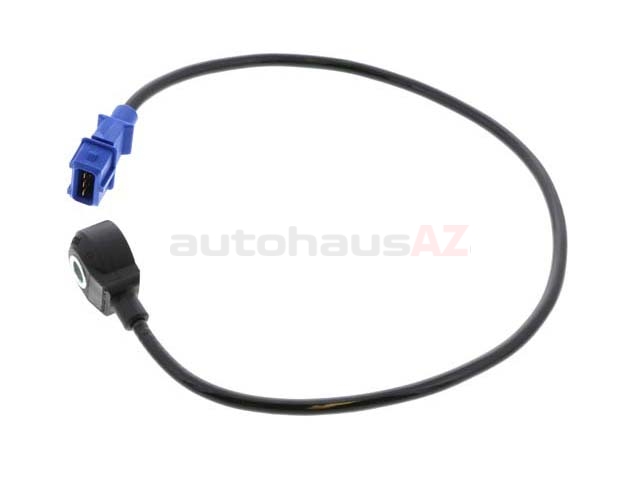


Audi 90 knock sensor typically cost between $36.99 and $36.99.
What Are The Signs Of A Failing Audi 90 Knock Sensor?
A failing Audi 90 knock sensor can be a headache. You might notice the engine feeling rough or hearing a surprising metallic ping under the hood. Sometimes, the car doesn't accelerate like it used to, falling flat when you need it to move. Fuel efficiency starts to slip. Out of nowhere, the check engine light may pop on, leaving you guessing. These changes happen because the Audi 90 knock sensor can't catch engine knocks, and the system loses its grip on timing. Without its input, your engine can't protect itself, so you end up with clunky performance and, if ignored, bigger engine problems.
Where Is The Audi 90 Knock Sensor Located?
Look for the Audi 90 knock sensor on the engine block, close to the intake manifold, or in some cases, attached right near the cylinders. In most Audi 90s, it's tucked under the intake manifold, almost out of sight. It often stays hidden behind wiring and engine pieces, so getting to it is no five-minute job. You might need to move hoses or pull off larger engine pieces before you spot its small connector and round housing. Take your time during the search—the right location matters for both removal and installation.
How Do You Replace A Faulty Audi 90 Knock Sensor?
Start with the engine cool and the battery unhooked. Get tools ready, then clear away covers or ducts blocking access to the Audi 90 knock sensor. With some work, the sensor becomes visible beneath the intake manifold or around the engine block. Disconnect the plug, use a wrench, and twist out the old sensor. Thread in the new one by hand at first to avoid cross-threading, then snug it down using manufacturer torque figures. Hook everything back up, double-check as you reassemble parts, and put the battery cable back last. Start the car; see if the warning lights are gone. If so, you're on track.
Can A Faulty Audi 90 Knock Sensor Cause Engine Damage?
Yes, skipped repairs matter here. A broken Audi 90 knock sensor doesn't just hurt performance. It lets engine knocking go unchecked, turning small combustion issues into big ones. Pistons get damaged, cylinder walls scar. Leaving the sensor ignored for too long may mean major repairs later. Replacing it early saves a lot of effort and cash.
How Do You Diagnose Issues With The Audi 90 Knock Sensor?
First step—grab a code reader if the check engine light's on. If the codes point to the knock sensor or its circuit, you're close to the cause. Next, look at the wiring and connector for breaks or greenish corrosion. Sometimes, you can tap the engine when it idles and listen for changes; a functioning sensor will influence timing. Using a multimeter, measure voltage or resistance—if readings fall outside expected values, the Audi 90 knock sensor is likely gone. Visual checks and basic scan tools get you most of the way there.
Why Choose Us For Your Audi 90 Knock Sensor?
We know you value every dollar, so we work hard to bring you fair prices on Audi 90 knock sensors—no endless wait, no hassle. Orders get shipped soon after you click 'buy', so repair time feels shorter. If you're sent the wrong part or simply change your mind, returns move fast and with no drama. We believe help should always be on hand, so our team gives advice, offers quick answers, and guides you through your project. When you buy from us, you pick reliability and savings. Whenever you need a knock sensor, you’ll know who has your back.