

Audi Cabriolet Brake Booster Parts
Showing 1 out of 1 part(s) found in our catalog.
Brand
Keyword
Subcategory
Mon-Fri 8-4 MST/PST (Arizona Time)

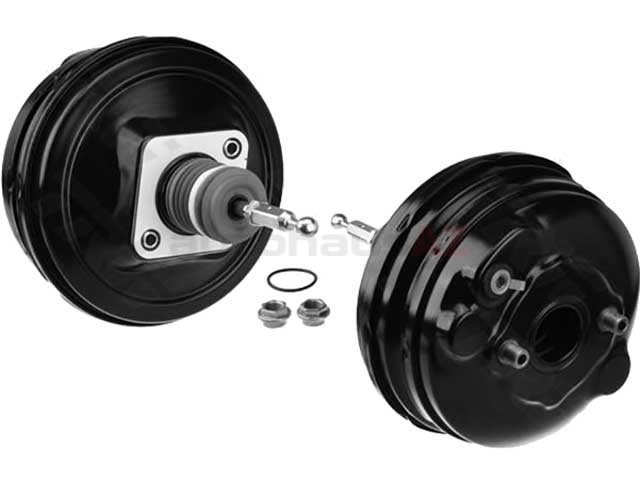


The average price of a Audi Cabriolet brake booster is between $268.99 and $268.99.
What Are The Signs That The Audi Cabriolet Brake Booster Is Failing?
You might notice the brake pedal feels much harder than normal, or it makes a faint hissing noise when you press it. Sometimes it takes more effort to bring the car to a stop, or the pedal might feel slow and seem to sink lower than it should. Stopping distances can creep up without warning. These symptoms don’t always show up together. One day it’s just a stiffer pedal, the next the brakes need a harder push. Any change in how the pedal feels—especially if it comes on suddenly—can mean the brake booster is on its way out. If you spot anything odd, it’s a smart move to have your brake system checked before it turns into a real safety concern.
How Can I Test The Audi Cabriolet Brake Booster At Home?
Checking the Audi Cabriolet brake booster at home only takes a few minutes. First, turn off the engine. Pump the brake pedal a handful of times to use up any built-up vacuum. Hold the pedal down, then start the engine while keeping pressure on the brake. If the pedal gives a little and moves downward, the booster is likely working like it should. If the pedal stays firm, there’s a chance the booster isn’t holding vacuum or has a leak inside. While this test gives you a rough idea, a mechanic can dig deeper if things don’t feel right.
What Causes The Audi Cabriolet Brake Booster To Fail?
A lot of things can take out a brake booster. Vacuum leaks top the list, whether from a cracked hose or a weak check valve. Sometimes oil or water sneaks into the system and ruins the rubber diaphragm inside. On older cars, seals dry up and start to leak. If the car spends most of its life in the cold or does lots of short trips, that doesn’t help—moisture and condensation make the booster work harder than it should. Catching leaks or any changes early keeps the brake booster from heading downhill.
Is Replacing The Audi Cabriolet Brake Booster A Diy Job?
Swapping out a brake booster on an Audi Cabriolet is not a basic weekend project unless you’ve got some experience under the hood. Getting it out means disconnecting brake lines, parts of the pedal assembly, and the master cylinder, then wrestling the booster out from under the dash or through the engine bay. Forgetting a step, mixing up a vacuum fitting, or pinching a gasket can leave you with a spongy pedal or fluid leak. Some folks take the challenge and do just fine. Most people, though, are happier letting a good mechanic handle the job, especially with how critical brakes are for safety.
What Maintenance Can Prevent Audi Cabriolet Brake Booster Problems?
Keeping the brake booster healthy means checking hoses now and then for cracks and making sure the fittings stay tight. Top off brake fluid and look for leaks as part of your regular oil change routine. Swap out the check valve when the manual says so, especially if you spot any vacuum issues around the brakes. Don’t ignore new pedal noises, strange pedal feel, or an engine that runs rough while braking. Fixing even small leaks or signs of trouble right away helps the booster last longer and keeps your stopping power strong.
Why Choose AutohausAZ For Your Audi Cabriolet Brake Booster?
Buying your Audi Cabriolet brake booster from AutohausAZ means you skip the chaos of overpriced parts and endless searching. We carry quality boosters that fit right, and you don't end up wasting cash on the wrong part. Prices are fair—no markups for owning an Audi. You’ll get quick shipping, so you aren't left without a car for long. If something’s off, you can return it without jumping through hoops. We want the whole process to be smooth, from checking your options to getting your order at your door. When you need a boost—pun intended—we help you get your Audi Cabriolet back on the road without headaches or surprises.