

Audi Cabriolet Crankcase Breather Pipe Parts
Showing 2 out of 2 part(s) found in our catalog.
Brand
Keyword
Subcategory
Mon-Fri 8-4 MST/PST (Arizona Time)

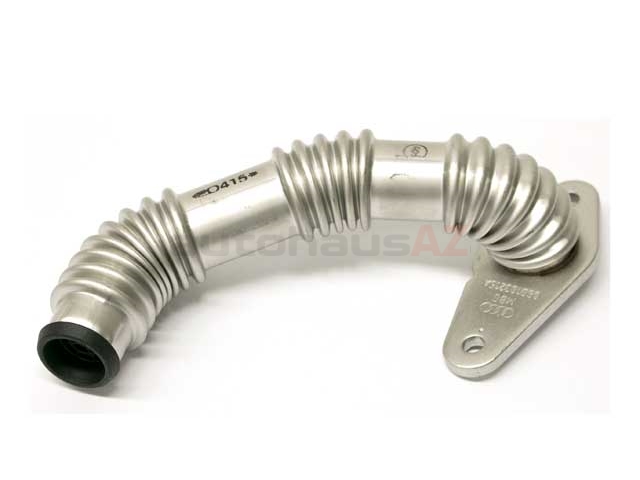


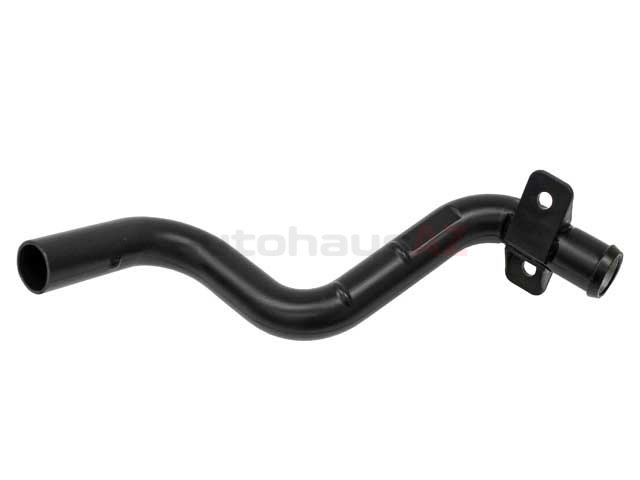
The average cost of a Audi Cabriolet crankcase breather pipe is between $35.99 and $127.99.
What Are The Common Signs Of A Failing Audi Cabriolet Crankcase Breather Pipe?
When an Audi Cabriolet crankcase breather pipe starts failing, subtle signs may start to show before things get out of hand. Some folks notice the engine idles rough on cold starts or after a longer drive. Oil may seep around the valve cover, leaving faint stains in the engine bay or on your driveway. You might have to top up the oil more than usual, with no clear reason. Power could dip, or the car may stutter when you press the gas. Sometimes, a whistling sound or hiss from the engine bay shows up, leaving drivers puzzled. These hints usually mean the breather pipe isn't moving air and vapors as it should. If you overlook them, small problems can quickly grow—engine misfires, clogged sensors, maybe even extra wear on gaskets and seals. Addressing these symptoms early makes a big difference and spares your wallet down the road.
How Often Should The Audi Cabriolet Crankcase Breather Pipe Be Replaced?
No fixed number rules the Audi Cabriolet crankcase breather pipe replacement, but it tends to need attention as cars age or rack up miles. Many mechanics recommend looking things over every 60,000 to 80,000 miles. If you drive short, city trips, or your area has rough weather, check even sooner. Cracks or soft spots, oily buildup, or blockages are cues that it’s time for a new pipe. Some pipes hold up longer, but small issues can pop up without warning. Including the breather check with regular oil changes is a reliable habit and keeps the car running smoother over the years. Using good parts and checking installation details save headaches later.
What Problems Can A Bad Audi Cabriolet Crankcase Breather Pipe Cause?
If the Audi Cabriolet crankcase breather pipe gives out, the trouble it causes spreads quickly. Engines often misfire, and fuel economy drops. Excess pressure inside the crankcase pushes out oil, which pools up in spots where it shouldn’t be. Patches of sludge build inside the engine, since oil vapors aren't venting like they're supposed to. Oil seals and gaskets take extra stress and can fail, which only adds to the mess. Sensors may flag errors, turning on your check engine light. Over time, problems stack up, and something small can snowball into a pricy repair or even bigger engine work.
Is It Possible To Clean The Audi Cabriolet Crankcase Breather Pipe Instead Of Replacing It?
If the Audi Cabriolet crankcase breather pipe is just clogged but not cracked or brittle, cleaning can be an option. Remove the pipe, run solvent through, and work out any gunk or sludge. Let it dry completely. If you spot any softness, cracks, or hardened areas though, swap it for a new one. Cleaning works for light buildup and as part of regular care. It won’t cure bigger issues like old, weak, or damaged pipes. Take your time on inspection before putting it back to make sure it’s still solid and safe to use.
What Steps Are Involved In Replacing The Audi Cabriolet Crankcase Breather Pipe?
To replace the Audi Cabriolet crankcase breather pipe, pop the hood and find the old pipe first—usually up top, tied in with the air intake or manifold. Work the clamps or clips loose. Twist each end free and tug it off gently. Check both ends for grime or old oil and wipe everything clean. Slip on the new pipe, making sure both ends fit snug and all fasteners are tight. Once in place, start the car and let it idle. Look for leaks, odd noises, or dashboard lights. A quick manual/checklist keeps things on track, but most home wrench-turners handle the swap without much trouble.
How Can You Save On Audi Cabriolet Crankcase Breather Pipe?
At AutohausAZ, you can pick up an Audi Cabriolet crankcase breather pipe for less than you might expect. Prices stay low, so you get value without hunting around. Fast shipping keeps you from waiting days or weeks for that part to arrive, and returns don’t come with hoops or hassle. Whether you’re fixing your Audi for the first time or you’re a regular DIY’er, the whole process stays straightforward. It’s a way to keep your car healthy while pocketing a bit of extra cash.