

BMW 1600 Control Arm Bushing Parts
Showing 5 out of 5 part(s) found in our catalog.
Brand
Keyword
Subcategory
Mon-Fri 8-4 MST/PST (Arizona Time)

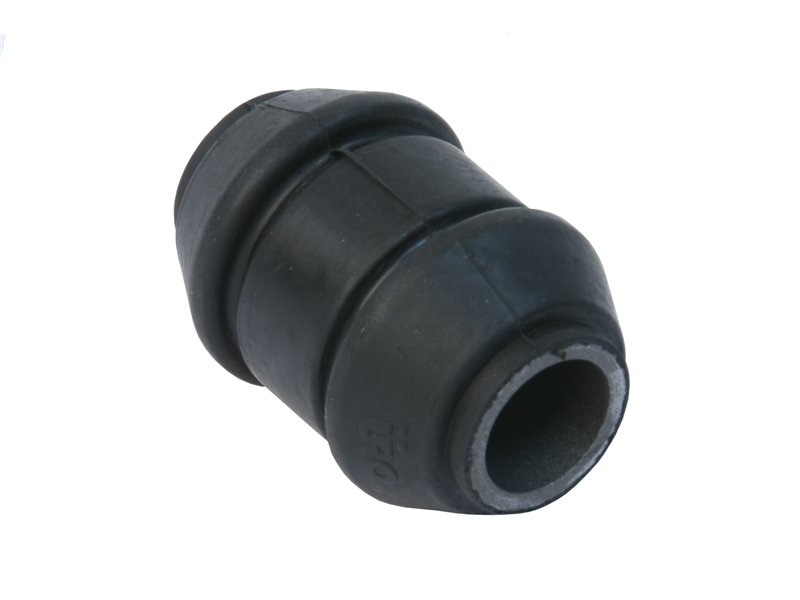


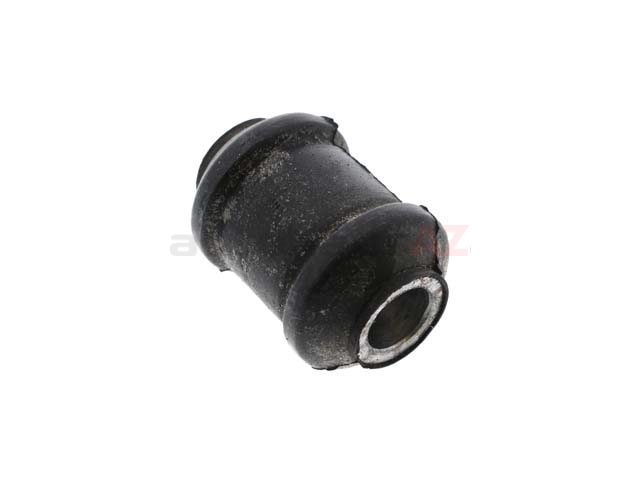
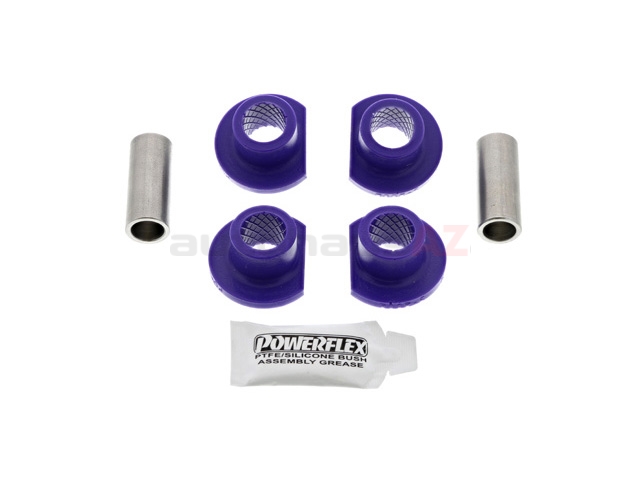
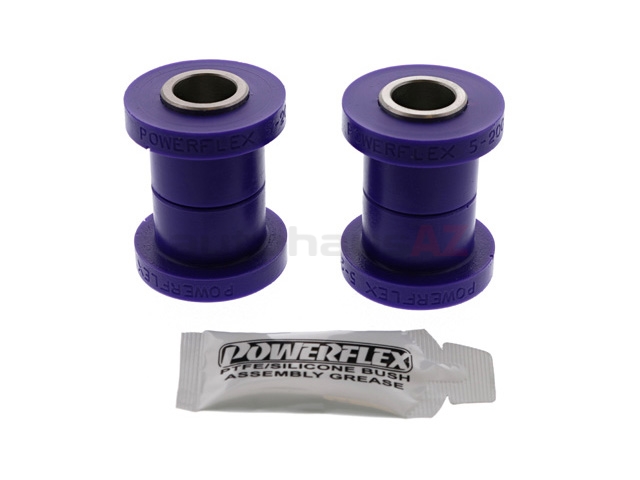
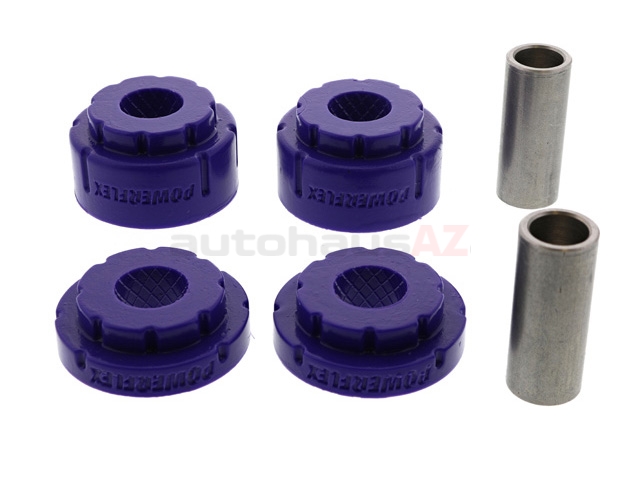
The average price of a BMW 1600 control arm bushing is between $10.19 and $86.99.
What Are The Signs Of Worn BMW 1600 Control Arm Bushing?
When a BMW 1600 control arm bushing starts to give out, the car tells you in a few ways. There might be a low clunk each time you steer or hit a pothole. The wheel could shake in your hands, maybe just a little at first. Sometimes the car needs more effort than usual to track straight. Pulling to one side becomes clear on open stretches of road. If you’ve ever noticed your tires wearing out unevenly, bushings could be a reason. Usually, a close look at the bushing reveals cracks or large gaps—the rubber starts falling apart. With these signals, waiting isn’t wise. Acting early protects the rest of your vintage BMW’s suspension.
How Long Do BMW 1600 Control Arm Bushings Typically Last?
A BMW 1600 control arm bushing doesn’t last forever—few rubber parts do. Some hang in there for close to 90,000 miles, but rough roads or spirited cornering can cut that down fast. Sometimes, they show cracks at 60,000 miles or less, especially if the roads near you freeze and thaw through the year. Age matters as much as mileage. If rubber looks soft, split, or misshapen during an oil change, that’s your cue. Waiting for a “bad ride” to show up can let other parts wear out early. Timely replacements keep tangles with steering or tire wear at bay.
What Is The Best Material For Replacement BMW 1600 Control Arm Bushing?
Rubber or polyurethane? It depends on what kind of drive you want from your BMW 1600. Rubber matches the original feel—softer steering, less road buzz, a quiet ride. Many choose it for show cars or commuters. Polyurethane is the stiff option. Drivers notice sharper cornering, less flex, and the road feedback gets louder. Polyurethane lasts longer but can feel harsh on long drives. Some insist on rubber for comfort. Enthusiasts swap in polyurethane for its toughness. The right fit and a smart install matter as much as what it’s made from.
Can I Replace BMW 1600 Control Arm Bushing Myself?
If you know your way around a toolbox and have a weekend free, you can try changing your BMW 1600 control arm bushing yourself. Lifting the car and pulling the control arm out can be straightforward. Pressing out old bushings sometimes needs special tools—a press is best, but some get creative with threaded rods and sockets. Study the manual and double-check the torque settings before reassembly. If the thought of careful pressing or alignment makes you pause, hand the job to a shop. Sometimes, what saves you time is worth a few extra dollars.
Is an Alignment Needed After BMW 1600 Control Arm Bushing Replacement?
Swapping a BMW 1600 control arm bushing usually throws the alignment off, even when you’re careful. Camber and toe angles shift as bushings are pressed, so a fresh alignment is almost always needed. A car that’s out of alignment wears tires unevenly, feels off-center, and can dart when you least expect it. After the job, drive straight to an alignment rack—don’t put it off or let good tires go to waste. The crisp handling you expect from your BMW comes back with a well-done alignment.
Why Buy Your BMW 1600 Control Arm Bushing From Us?
When you pick us for your BMW 1600 control arm bushing, you get more than just a part in a box. We keep prices honest, so you spend less. Orders ship out quick, and you won’t spend days checking tracking info or losing weekends in the garage waiting for a package. If something doesn’t fit, the return process won’t have you tearing your hair out. We make it easy, so you can fix what needs fixing and get back to the good parts—driving your BMW or wrenching with friends.