
BMW 1600 Heater Valve Parts
Showing 1 out of 1 part(s) found in our catalog.
Brand
Keyword
Category
Select category below to view parts.
Mon-Fri 8-4 MST/PST (Arizona Time)

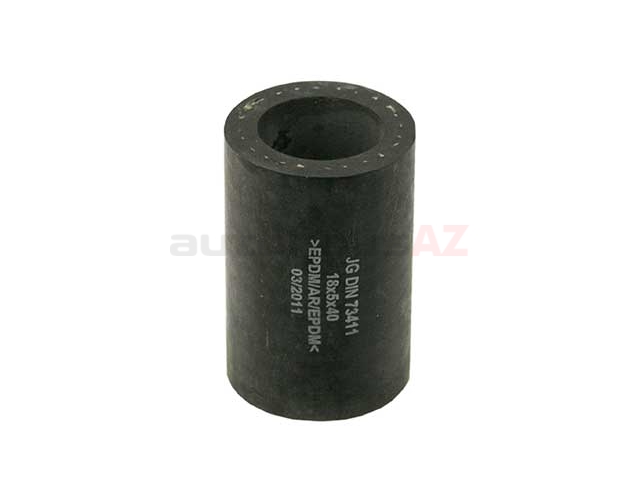


BMW 1600 heater valve typically cost between $3.09 and $3.09.
What Are The Common Signs Of A Failing BMW 1600 Heater Valve?
Sudden cold air from the vents on a frosty morning. One side of the cabin gets warm, the other stays chilly. You crank the heat, but the temperature stays stuck or even spikes to hot with the dial set to cool. Sometimes, you’ll notice a faint hissing behind the dash as you adjust the controls, or a gentle click as if something’s stuck. Pop the hood — the valve looks tired, maybe even a little green around the edges or leaking somewhere onto nearby hoses. Ignore these quiet hints, and you risk a long winter drive with nothing but your jacket for warmth. Spot these early, though, and your BMW 1600’s heater valve won’t leave you freezing.
How Do You Test If The BMW 1600 Heater Valve Is Working Properly?
Start the engine, let it idle till the temp gauge sits where it should. Fiddle with the climate controls inside — max heat, then all cold — while keeping an eye on the valve under the hood. Bring a friend to work the knobs if you need two pairs of hands. That valve should move along with the controls, opening as you dial up the heat, closing off when you switch to cool. If it doesn’t budge, something’s wrong. Touch the two heater hoses going into the firewall. Both hot with the heater off? Likely stuck open. Hook up a voltmeter if you’re chasing an electrical gremlin. Power at the connector means it’s probably the valve itself and not a wiring issue to chase around.
What Causes The BMW 1600 Heater Valve To Fail?
Usually, time does the valve in. Coolant turns old and corrosive, eats away at the metal inside. Maybe debris sneaks through the lines, gumming up small moving parts till nothing moves. Sometimes, someone used the wrong coolant and now brown sludge coats everything inside. Electric actuators might just die, or the little vacuum diaphragm gets tired, refusing to hold a seal. Sometimes hoses rot, split, or belch out enough goop that the valve jams solid. Regular flushes with the fluid BMW recommends help, but even then, things just wear out. It’s old-school engineering, stubborn and mechanical, and it breaks down like anything else.
Is It Difficult To Replace A BMW 1600 Heater Valve Yourself?
It isn’t a walk in the park, but many home mechanics pull it off. The valve sits in a crowded corner near the firewall. Sometimes you have to kneel on the bumper, stretching hands into impossible spots. Clamp off the old hoses or you’ll get sprayed with coolant. Undo the bolts, twist loose the connections, and wrestle out the worn valve. Most get hung up on hoses that won’t budge after years in the same place, or the clamp that won’t turn. Patience is the secret—plus a flashlight, fresh clamps, maybe a new short section of hose. Bleed the system to keep air pockets at bay once you button everything up. Many old BMWs are on the road because drivers like you weren’t afraid to get their hands dirty.
What Maintenance Helps Prevent BMW 1600 Heater Valve Issues?
Stay on top of coolant changes. Don’t wait for a brown soup in the reservoir; swap in fresh, correct fluid every couple of years. During regular checks, poke around for cracks in hoses or wet spots around the valve and clamps. Replace what looks weak, don’t wait till it bursts on a cold night far from home. Watch for leaks or green stains on the valve housing—signs things are starting to go. Keeping up with these basics keeps the heat flowing and means you’re less likely to tool around town in a coat and gloves just to stay warm.
Looking For A BMW 1600 Heater Valve?
Skip the parts hunt stress. AutohausAZ keeps heater valves for BMW 1600 in stock, ready to ship. Quick shipping, easy returns, and prices that keep your wallet happy. Order today and get back on the road, cabin warm, heater humming along just like it should.