

BMW 3.0CSI Clutch Slave Cylinder Parts
Showing 1 out of 1 part(s) found in our catalog.
Brand
Keyword
Subcategory
Mon-Fri 8-4 MST/PST (Arizona Time)

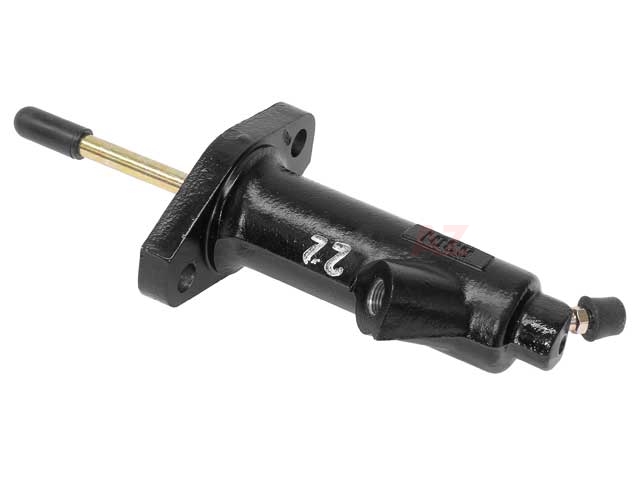


BMW 3.0CSI clutch slave cylinder typically cost between $70.99 and $70.99.
What Are The Most Common Symptoms Of A Failing Bmw 3.0Csi Clutch Slave Cylinder?
You press the clutch. It sinks, feels limp, or stays down. Shifting feels odd, even stubborn—sometimes you hear a grind or the gears resist. A closer look might reveal a small pool of fluid under the car near the transmission tunnel. Your brake fluid level drops faster than you expect, but you never see drips beneath the master cylinder. Sometimes the clutch only works after a few pumps. If air sneaks into the lines, pedal feel gets unpredictable. The longer you wait, the harder it gets to drive the car at all. What starts as a mild nuisance often signals bigger clutch problems on the horizon.
How Do You Properly Bleed The Bmw 3.0Csi Clutch Slave Cylinder?
First, top off the master cylinder with fresh fluid. Attach a clear tube to the slave’s bleeder screw and snake the end into a small jar. Recruit a helper. They press the clutch in and hold it; you crack the bleeder. Bubbles and fluid run through the hose. Tighten the bleeder, then let the pedal up. Repeat—press, bleed, close—watching for air. The clutch pedal should stiffen and lose its squish. Don’t let the reservoir run dry or you’ll start over. Bleeding might take a while on these older cars. Stay patient and check for leaks as you go.
What Causes The Bmw 3.0Csi Clutch Slave Cylinder To Leak Or Fail?
Age does most of the damage. Seals shrink, dry out, and leak with time. Old brake fluid traps moisture, slowly rusting the cylinder from inside. Sometimes the clutch master leaks from above, sending a slow drip straight onto the slave. Any dirt or grit in the system gouges the bore. Corrosion often leaves tiny pits that eat away at smooth movement. Even sitting too long between drives doesn't help—seals can stick to the walls and tear when you finally press the clutch. Without regular checks, small leaks grow and the pedal fades.
Can You Rebuild The Bmw 3.0Csi Clutch Slave Cylinder Instead Of Replacing It?
You can rebuild these parts if the metal bore is clean and smooth. Rebuild kits have new seals and rubber boots. Take the cylinder apart, clean everything, swap the seals, grease the piston, and put it back together. If the cylinder has deep rust or scored walls, it’s best to replace it. Sometimes even with new seals, an old, pitted cylinder won’t hold pressure and leaks again. For most, a new cylinder brings peace of mind and saves time later.
How Long Does The Bmw 3.0Csi Clutch Slave Cylinder Usually Last?
Some of these cylinders run for decades if fluid is changed regularly and the car is stored dry. Others fade in half that time, especially with heavy traffic, heat, or neglected maintenance. Typical life can stretch fifteen to twenty years, but a neglected car may need one sooner. Drivers who use the clutch hard, or park for long seasons, often face leaks or soft pedals earlier than expected. Watch for changes around ten years but some original units are still going after forty.
Where Can You Find A BMW 3.0CSI Clutch Slave Cylinder Easily And Affordably?
Look for classic parts suppliers who know the E9 and its quirks. Vintage BMW specialists, restoration shops, and reputable online stores carry these cylinders, often in stock. Forums and owners’ groups may offer leads from members with extra parts. Some suppliers will ship next day, and prices stay reasonable if you shop around. It usually pays to pick a source that stands behind their parts since some aftermarket options can be questionable in quality.