

BMW 3.0SI Intake Manifold Parts
Showing 2 out of 2 part(s) found in our catalog.
Brand
Keyword
Subcategory
Mon-Fri 8-4 MST/PST (Arizona Time)



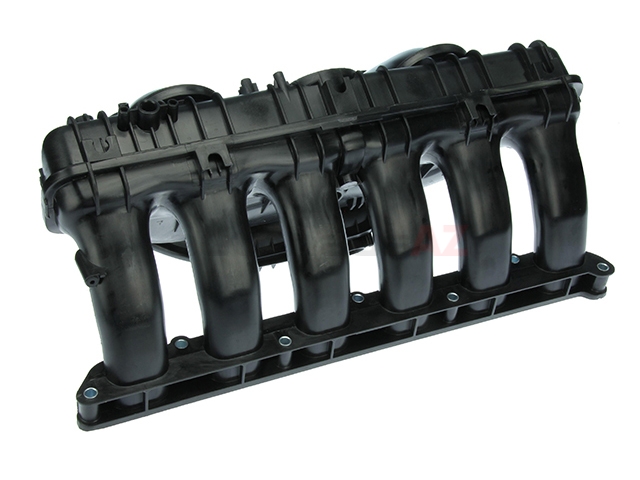
BMW 3.0SI intake manifold typically cost between $259.99 and $413.99.
What Are The Common Symptoms Of A Failing Bmw 3.0si Intake Manifold?
If your BMW 3.0SI intake manifold starts to go, you’ll likely feel it pretty quickly. The engine might idle rough, with a shaky or uneven sound when stopped at a light. Power loss is common, and the car might feel sluggish when you press the gas. Many drivers report a slight misfire or stumble when accelerating. Sometimes you might hear an odd hiss or whistling noise near the engine, especially when it’s cold. The check engine light will often pop up, triggered by vacuum leaks or fuel mixture problems. Fuel efficiency can take a hit, burning through gas faster than normal. In some cases, you’ll see low coolant alerts or even find small puddles under the car if the manifold gasket fails. A hotter-than-usual temperature gauge can point to trouble. When several of these symptoms stack up, it’s time to take a closer look at the intake manifold before things get worse.
How Difficult Is It To Replace The Bmw 3.0si Intake Manifold At Home?
Swapping out a BMW 3.0SI intake manifold isn’t a weekend project for someone just learning their way around an engine bay. It can be done at home, but you’ll need some solid tools and hours to spare. There’s a lot to move out of the way first—fuel lines, sensors, hoses, sometimes even parts of the electrical system. Space is tight and a few bolts seem hidden by design. Organization is key so nothing gets lost or mixed up. If you’ve done engine work before and know your way around a repair manual, it’s manageable, but still takes patience. Cleaning old gasket surfaces must be done right, or you’ll end up back at square one with new leaks. For anyone who’s not confident, working with a good mechanic is usually the smoother path. The fit and seal matter here, so the last thing you want is to rush through reassembly.
What Causes Leaks In The Bmw 3.0si Intake Manifold?
Most leaks in the BMW 3.0SI intake manifold come from the gaskets breaking down. Years of heating up, cooling down, and engine vibrations wear these out, letting air or coolant slip by. Plastic manifolds can warp, and metal parts may corrode at the edges, creating gaps. Sometimes a vacuum line pops loose or gets brittle with age, cracking just enough to let air leak in. Previous repairs matter too—over-tightened bolts or uneven surfaces will pinch or crush a fresh gasket. Occasionally, a hidden crack in the manifold itself lets coolant or air escape. Catching small leaks early can keep things simple; waiting usually means dealing with more than just a rough idle.
Are There Any Performance Upgrades Available For The Bmw 3.0si Intake Manifold?
Upgraded BMW 3.0SI intake manifolds are out there for drivers who want more power or a sharper throttle response. Aftermarket options often have smoother airflow paths and larger runners, helping the engine breathe easier. Some use higher-grade materials to handle more heat or drop a few pounds from the front end. For best performance, upgrades usually go hand-in-hand with a new tune, letting the engine’s computer match the new parts. Many owners also upgrade air filters, exhaust manifolds, or software at the same time. It’s a good idea to do your homework—some aftermarket kits fit better than others, and install shops can spot minor clearance issues before they become big problems. Professionals usually get the best results, but a careful DIYer can see solid gains with the right setup.
How Do I Troubleshoot The Bmw 3.0si Intake Manifold If I Suspect Issues?
If you suspect trouble with your BMW 3.0SI intake manifold, start with your ears—listen for hissing or whistling while the engine runs. Grab a can of carb cleaner or brake cleaner and lightly spray around the seams; if the idle changes, there’s likely a leak. Pop off the engine cover and check for coolant stains, warped edges, or loose vacuum hoses. A code reader helps if the check engine light is on, since it tells you if the ECU picked up on a misfire or lean condition. Careful hands can feel for splits in hoses or see if the manifold rocks under a little pressure—there shouldn’t be any movement. A smoke test works, especially for tricky leaks you can’t find by sight or sound. If everything points to a bad gasket or cracked manifold, replacing the worn parts is the cleanest fix.
Why Shop AutohausAZ For BMW 3.0SI Intake Manifold?
Shopping at AutohausAZ for a BMW 3.0SI intake manifold just makes sense. The prices cut out the nonsense—they’re lower than what most other stores offer, and you don’t have to hunt for coupon codes or flash sales. Orders go out fast, so you’re less likely to be stuck waiting for parts while your car sits in pieces. If something goes wrong or you change your mind, the returns are straightforward without a lot of hassle. It’s easy to find what you need on the site, and help is ready if you’re stuck. The company has a history of getting drivers back on the road with quality parts and no surprises. Whether you’re doing the job yourself or working with a shop, buying from them means one less thing to worry about.