

BMW 318I Battery Cable Parts
Showing 1 out of 1 part(s) found in our catalog.
Brand
Keyword
Subcategory
Mon-Fri 8-4 MST/PST (Arizona Time)

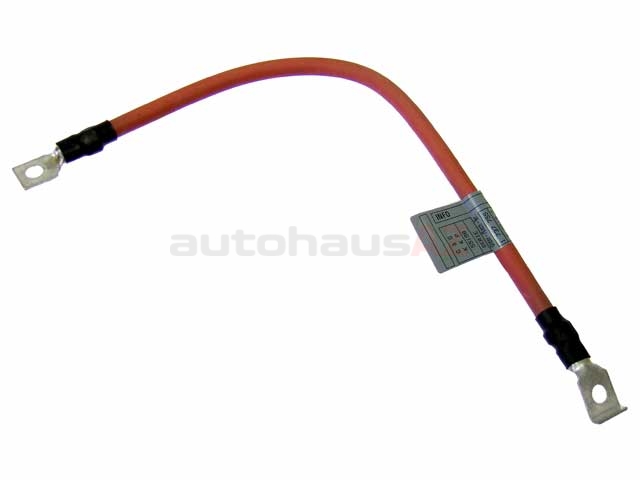


The average cost of a BMW 318I battery cables is between $43.99 and $43.99.
How Do I Know If My BMW 318I Battery Cables Need Replacing?
BMW 318I battery cables don’t usually call much attention to themselves until there’s a problem. When you pop the hood and see fuzzy white or even blue-green buildup around the battery connections, or you spot cracked insulation or wire strands poking out, those are signs the cables could need replacing soon. Struggling to start your car despite a strong battery is another red flag. If your dashboard lights dim or flicker, or the radio acts up when you turn the key, that can also point to cable trouble. Sometimes, just moving the cables by hand will make electrical problems better or worse—another clue they’re not up to the job. It makes sense to look over the battery cables whenever you service the battery, rather than wait for an emergency.
What Is The Proper Way To Clean BMW 318I Battery Cables?
To clean BMW 318I battery cables, always turn your car off and pull the keys first. Take off the negative cable, then the positive—doing it in this order helps prevent accidental short circuits. Mix a little baking soda with water, dip an old toothbrush in, and scrub the cable ends and battery posts until the gunk comes off. Rinse with a bit of water, but don’t get things too wet, and make sure everything dries fully before putting the cables back on. Reattach the positive cable first, then the negative. You can rub a dab of petroleum jelly onto the terminals to help block future corrosion. Keeping these cables clean can prevent annoying trouble down the road.
Which Symptoms Point To Bad BMW 318I Battery Cables Rather Than A Weak Battery?
If your BMW 318I won’t start or the electrical system acts up, it’s tempting to blame the battery right away. But BMW 318I battery cables can be the actual culprit. A car that loses power even with a fresh battery, intermittent starts, or no-starts that go away after tugging the cables, are all linked to bad cables. You may spot melted areas, green corrosion, or cuts along the insulation. In some cases, the car might even stall out while driving, which usually points past the battery itself to the cables or their connections. Basically, if your issues keep coming back and don’t change when you swap out the battery, check those cables closely.
What Gauge Cable Does The BMW 318I Use, And Is It Okay To Use Aftermarket Cables?
Original BMW 318I battery cables are typically thick and tough, with a main cable close to 4-gauge in most models. Aftermarket cables can work just fine, as long as you pick ones that match or exceed the BMW specs—don’t go thinner than what you’re replacing. Check that the cable ends fit snugly and the insulation is up to the heat inside the car. A lot of folks stick with factory parts for a sure fit, but there are solid aftermarket choices when you’re looking to save money or upgrade. Avoid bargain-basement cables with questionable construction, since they can lead to bigger electrical headaches.
What Is The Typical Lifespan Of BMW 318I Battery Cables?
You might get five, maybe ten years out of your BMW 318I battery cables if you keep things clean and protect them from winter road salt and battery leaks. Humid weather and harsh conditions will speed up signs of decay, like soft spots or brittle insulation. Catching corrosion early and making sure the cables stay tight can squeeze extra miles out of them. The cables won’t last forever, but regular checks and cleanings help you stay ahead of breakdowns and the need for sudden repairs.
How Can You Save On BMW 318I Battery Cables?
If you’re looking to save, AutohausAZ offers deals on BMW 318I battery cables that can shave real dollars off your repair costs. They get your order out the door fast and make returns headache-free if a part doesn’t fit. Buying from a place that focuses on discounts and quick shipping makes it easier to get what you need without waiting—or spending too much.