
BMW 318ti Radiator Cap Parts
Showing 1 out of 1 part(s) found in our catalog.
Brand
Keyword
Subcategory
Mon-Fri 8-4 MST/PST (Arizona Time)

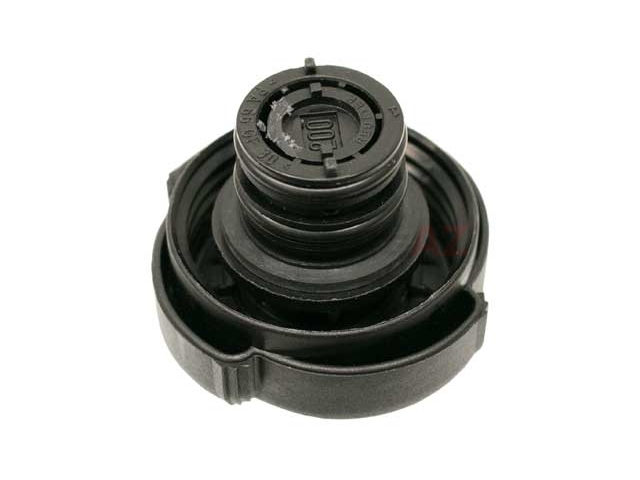


The average cost of a BMW 318ti radiator cap is between $18.29 and $18.29.
What Are The Signs Of A Failing BMW 318ti Radiator Cap?
Catching a failing BMW 318ti radiator cap early can save your engine from major headaches. Look for wet spots or crusty buildup around the cap and near the overflow tank. Steam sneaking out from under the hood when you stop is another obvious worry. If you check the coolant and notice it’s dropping with no puddles underneath, the cap may be letting small amounts slip out under pressure. Sometimes, you’ll see your temp gauge nudge higher, especially in traffic. Hoses that feel soft or collapse after running could mean pressure isn’t holding. If you find yourself topping off coolant now and then, or catch a strong sweet smell after driving, don’t brush it off. Swapping in a fresh, well-sealed BMW 318ti radiator cap often brings your cooling system back in line and keeps the engine protected.
How Often Should The BMW 318ti Radiator Cap Be Replaced?
The BMW 318ti radiator cap might be small, but it holds the whole system together. Most folks don’t think of changing it until something goes wrong, but that’s not ideal. A good rule: check it every 50,000 miles or couple of years, whichever comes first. If you spot any rust, swelling, or the rubber feels rough, swap it out. When the spring inside loses its snap or the cap looks chewed up, don’t gamble—replace it. Want to keep things running smoothly? Swap the cap when you flush the coolant. Little steps like this help keep the system tightly sealed and the temperature where it should be.
What Pressure Rating Is Correct For The BMW 318ti Radiator Cap?
The right pressure matters more than you might think for a BMW 318ti radiator cap. BMW’s usual spec is 2.0 bar (about 29 psi), and sticking to this is key. It’s what keeps your coolant from boiling over and your engine safe, especially when you’re pushing hard in hot weather. Don’t grab just any cap off the shelf—double-check your manual or the label under your hood. A cap that’s too weak or too strong throws your whole cooling rhythm out of whack. Using what BMW intended means less chance of warping metal, leaks, or mystery overheating on summer days.
Can A Bad BMW 318ti Radiator Cap Cause Overheating?
Yes, a worn BMW 318ti radiator cap can turn a routine drive into an overheating mess. When the cap stops sealing, pressure drops. That makes coolant boil faster and puff out as vapor. Even if you don’t see a big green puddle, the level keeps falling. If you keep driving, the engine gets too hot, fast. A cooked radiator, blown head gasket, or warped cylinder is never cheap. Fortunately, changing the cap is easy—and a whole lot less expensive than fixing melted parts later.
How Do You Properly Check Or Test A BMW 318ti Radiator Cap?
Start with a cold engine—never rush this and risk a burn. Twist the cap off and scan the main rubber seal for cracks, any flattened spots, or dried out edges. Check the metal for flakes, corrosion, or odd white marks. Press the cap’s spring with your thumb. Does it bounce back or feel mushy? That’s a red flag. If you want to be sure, take the cap to a shop. They can use a simple tester to see if it holds pressure or lets go too early. If your cap fails, get a new one right away—a fresh BMW 318ti radiator cap is good insurance.
Where Can You Find The Best Deals On BMW 318ti Radiator Caps?
Browse AutohausAZ, and you’ll see we stay stocked with BMW 318ti radiator caps at fair prices. Our crew isn’t into hidden fees or shipping delays—we just want to get parts to your door fast. If you grab the wrong size or need a return, we won’t hassle you. Our returns work just like they should. Got a question or stuck on a step? Call us, and you’re talking to someone who knows BMWs, not a robot reading a script. We want your 318ti on the road, not up on jack stands. Check us out for simple service, quick shipping, and prices that don’t sting.