

BMW 318ti Variable Timing Solenoid Parts
Showing 1 out of 1 part(s) found in our catalog.
Brand
Keyword
Subcategory
Mon-Fri 8-4 MST/PST (Arizona Time)

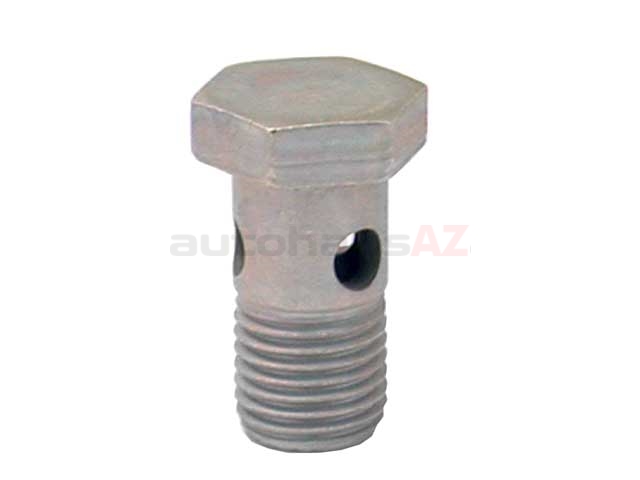


The average price of a BMW 318ti variable timing solenoid is between $18.89 and $18.89.
What Are The Signs Of A Faulty BMW 318ti Variable Timing Solenoid?
When the BMW 318ti variable timing solenoid starts to fail, your car doesn’t hide it well. The idle may act up, bouncing or sounding uneven. Misfires happen, along with an engine that hesitates when you press the gas. Sometimes, the check engine light glows, giving codes tied to timing trouble. You might hear odd noises from under the hood—tapping, clicking, or rattling—those can come and go with changes in RPM. If the solenoid sticks, you could see worse mileage and a lack of power. Drivers mention the engine running roughest when it’s cold. Most of these issues are early warnings, so it pays to check or swap the BMW 318ti variable timing solenoid before bigger engine problems crop up.
How Do You Replace A BMW 318ti Variable Timing Solenoid?
Start the job by pulling off the negative battery cable—safety first. Find the solenoid; it sits on the cylinder head, usually up front. If covers or other pieces are in the way, remove them. Slide the connector off the solenoid, then loosen and pull the bolts. With hardware out, the solenoid should slip free. Take a moment to wipe the mounting surface clean. Fit the new BMW 318ti variable timing solenoid in place, tighten the bolts, reconnect the wiring, and put covers back on. Finish by hooking up the battery and, if you have a scanner, clear any old fault codes. The procedure isn’t tricky, but patience helps.
What Causes The BMW 318ti Variable Timing Solenoid To Fail?
Gunked-up oil is the usual suspect when a BMW 318ti variable timing solenoid fails. Old or dirty oil builds up sludge, which blocks the fine passages in the solenoid. When that happens, timing changes can’t occur like they should. Heat, vibration, and plain wear can damage the solenoid’s internal wiring too. Some problems show up after years of use, while others follow neglected oil changes or bad filters. Good oil and regular service go a long way to keeping this part alive. Sometimes, failure comes from aging components, but clean oil is still the easiest defense.
Can You Drive With A Bad BMW 318ti Variable Timing Solenoid?
You might get down the road, but you shouldn’t push it. With a worn BMW 318ti variable timing solenoid, the engine feels flat, slow, or jerky. Gas mileage suffers, power drops, and the motor may run too rich or too lean. Long-term driving in this state leads to excess engine wear—sometimes more repairs than you bargained for. If your dashboard lights up or symptoms show, repair or replace the solenoid soon. The sooner you act, the less chance you’ll face something serious or expensive.
How Much Does It Cost To Replace The BMW 318ti Variable Timing Solenoid?
Pricing isn’t wild, but it’s not pocket change either. The BMW 318ti variable timing solenoid part runs between $100 and $220. Shops charge $80 to $150 per hour for labor, needing an hour or two to finish up. The full bill usually sits between $250 and $400 with labor included. If you’re handy and have the tools, swapping the solenoid yourself cuts that down to just the price of the part. Always use good oil and quality pieces to help avoid repeats down the road.
Looking For A BMW 318ti Variable Timing Solenoid?
If you’re tracking down a BMW 318ti variable timing solenoid, AutohausAZ usually makes the process easier. You can scroll through options, snag a deal, and get the part shipped out quick. Their prices often beat what you’ll find at a dealership. No big markups, just what you need to get your car back in shape. Returns are simple. Make a mistake on the order, and it’s not a hassle to send it back or swap for the right one. Their support team actually answers questions, so if anything feels off, you get a real answer, not a script. AutohausAZ focuses on genuine parts and smooth service, so fixing your BMW doesn’t drag on any longer than it has to. When repairs pop up, knowing where to get the part sets the project up for success right from the start.