

BMW 320I Radiator Hose Parts
Showing 20 out of 22 part(s) found in our catalog.
Brand
Keyword
Subcategory
Mon-Fri 8-4 MST/PST (Arizona Time)

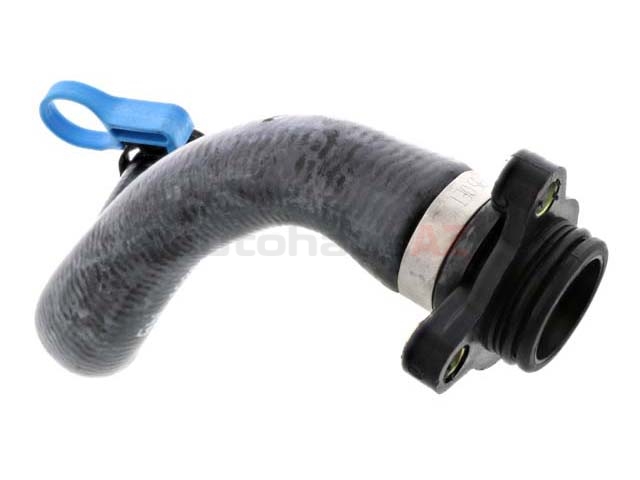


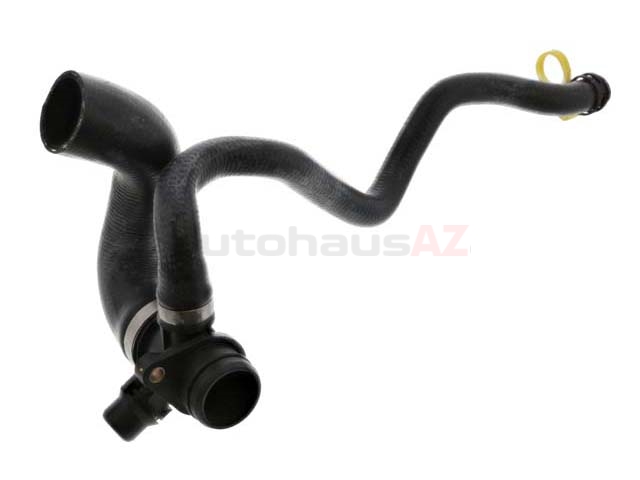
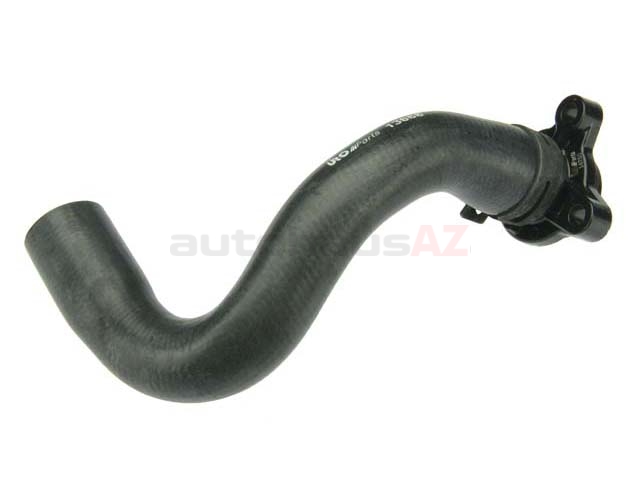
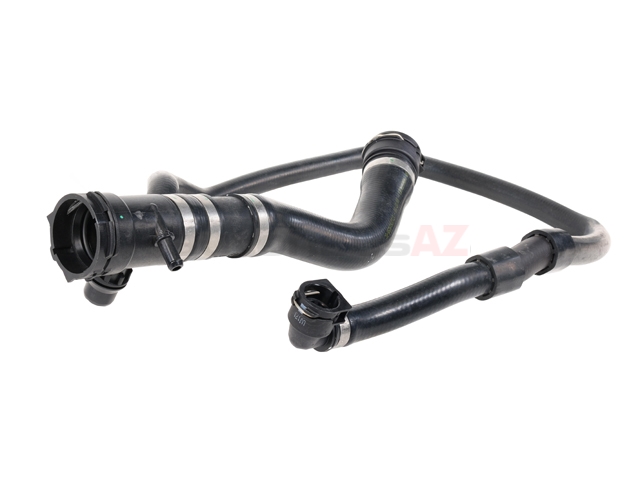
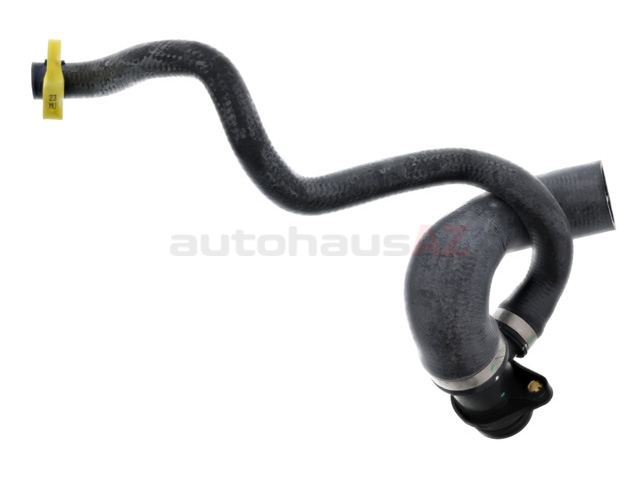
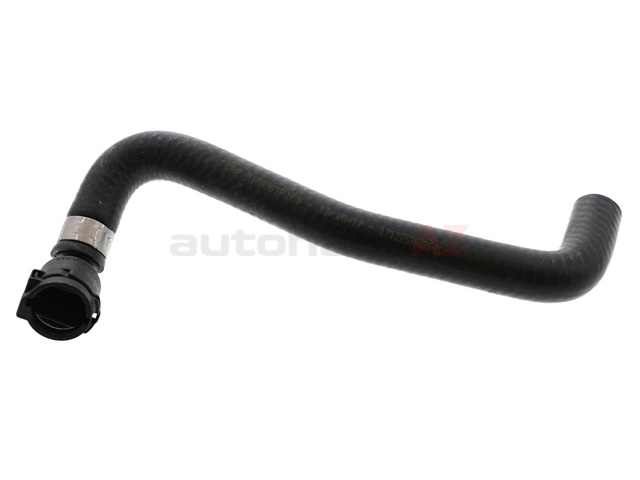
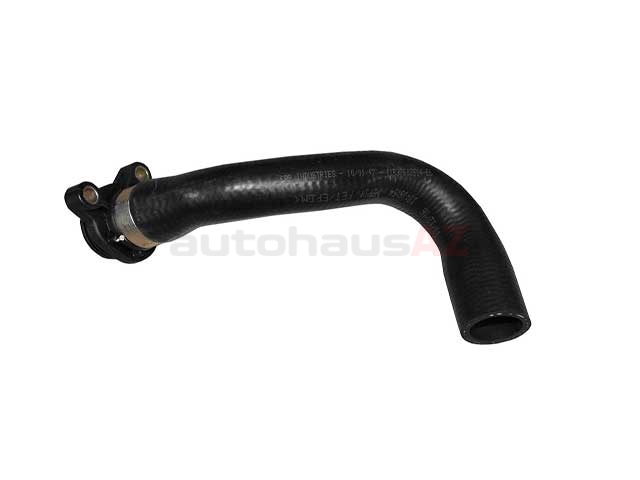
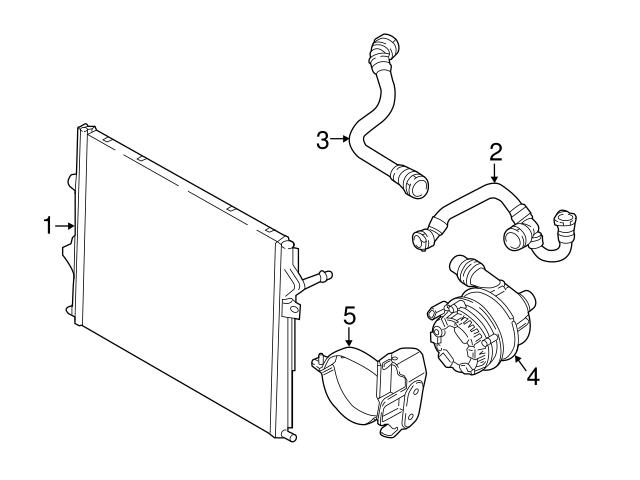
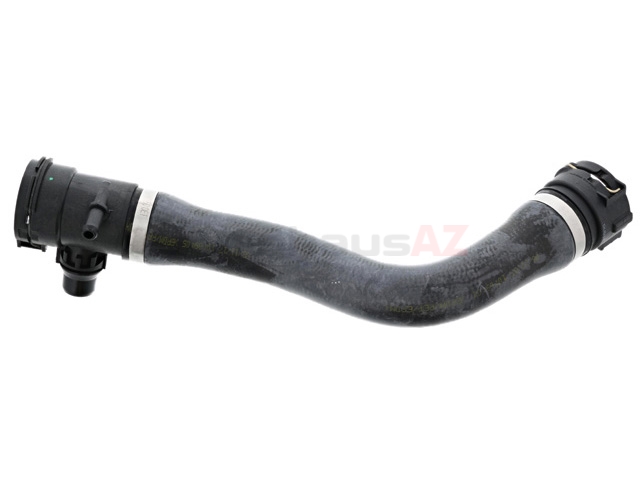
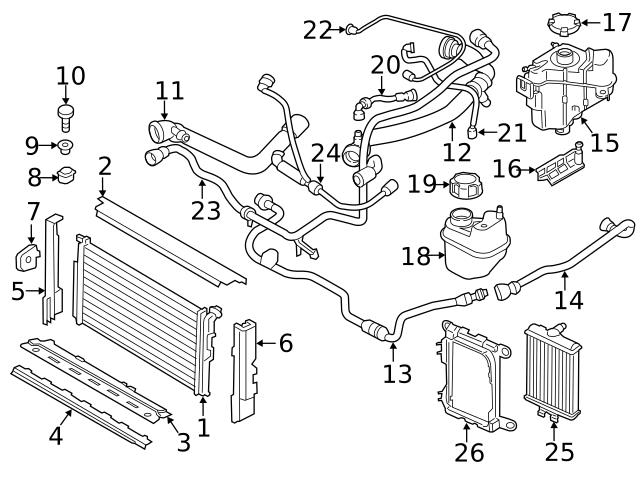

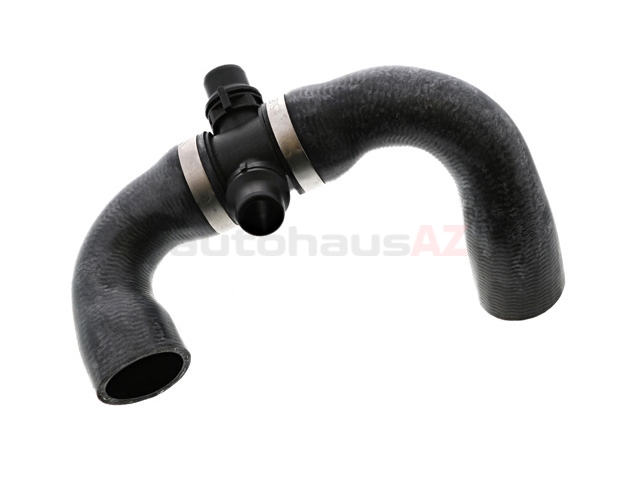
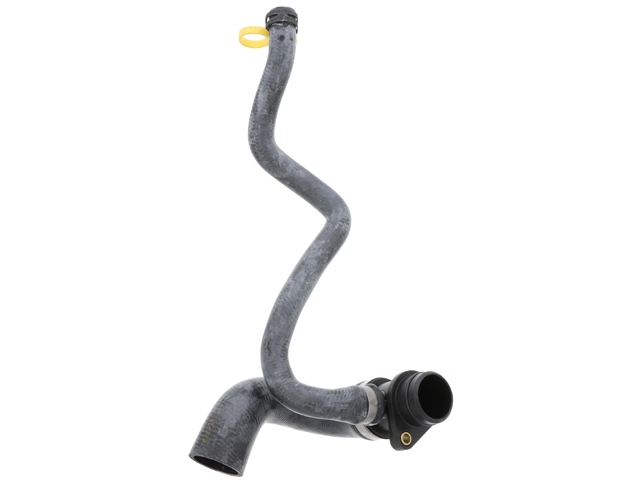
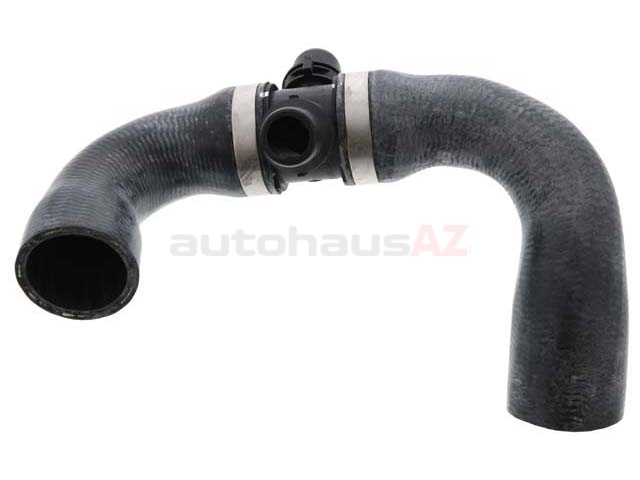
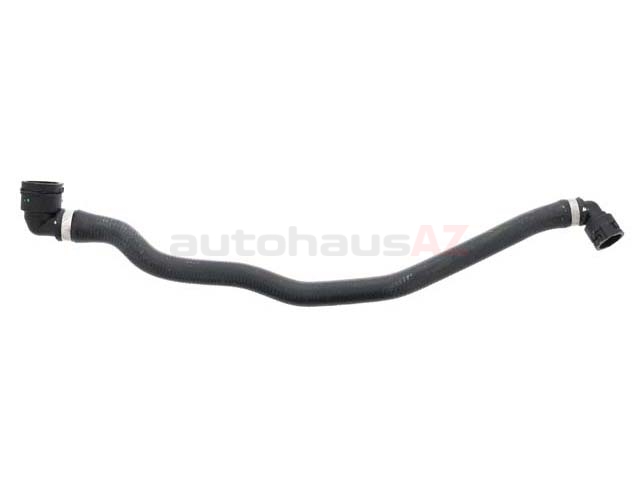
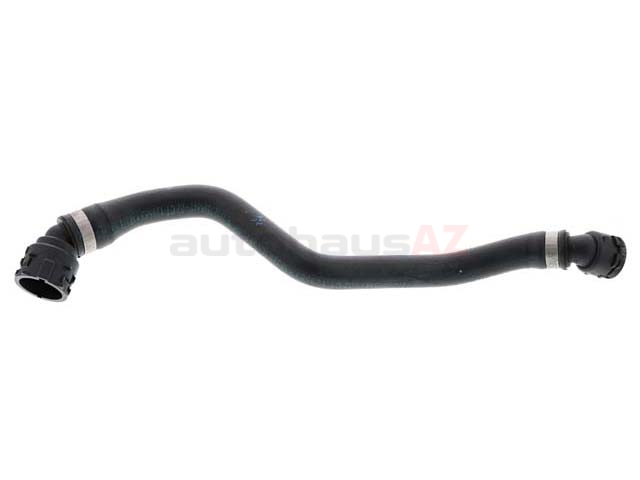
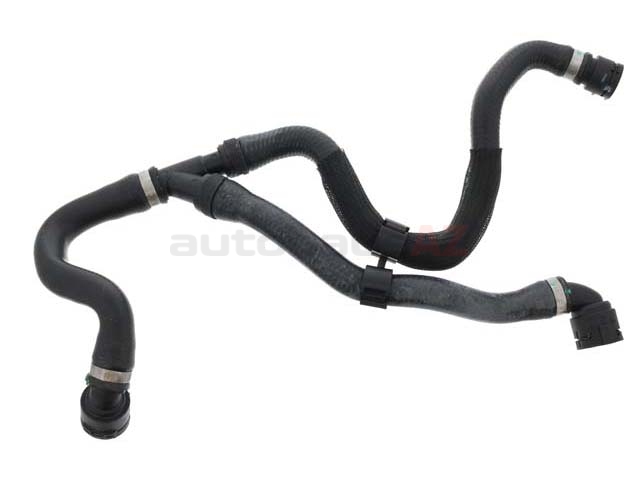
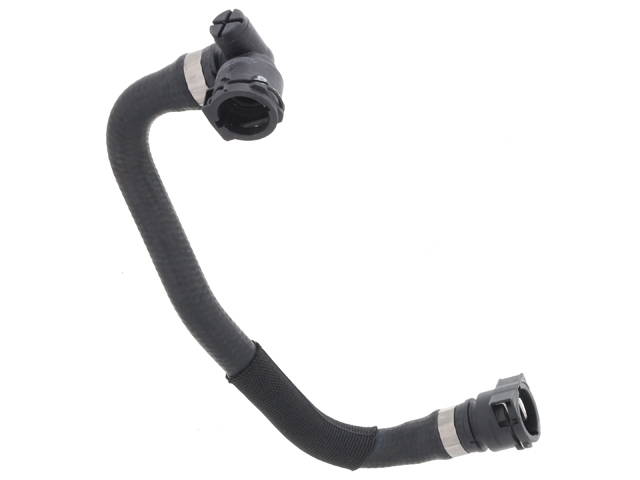
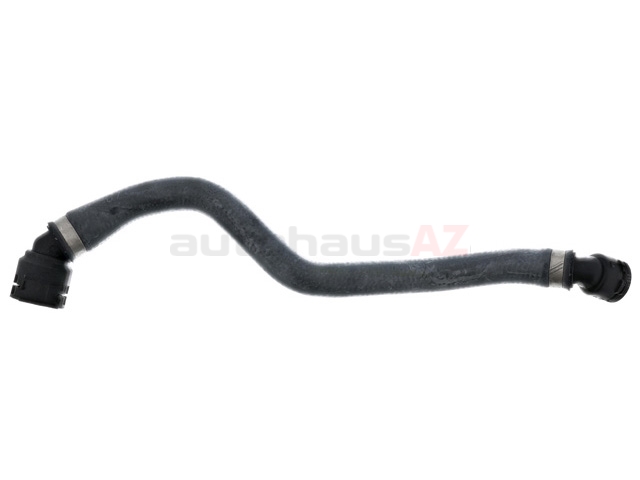
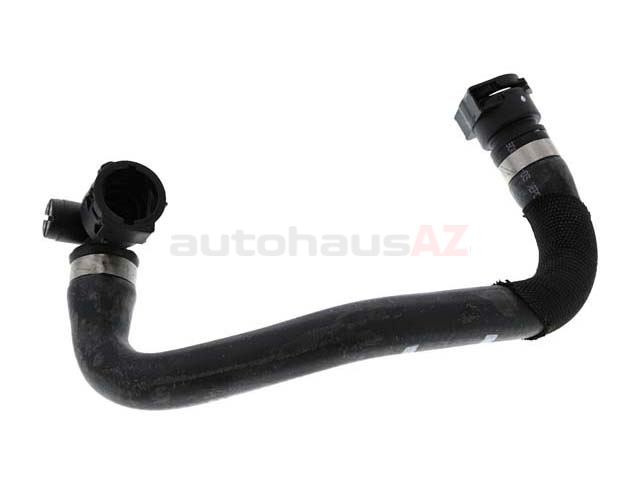
Based on industry averages you can expect to pay between $19.59 and $131.99 for a BMW 320I radiator hose.
What Are Common Signs Of A Failing BMW 320I Radiator Hose?
Coolant stains pooling beneath your car, a sticky residue around the hose, or an unexpected sweet smell each point directly to a radiator hose problem. Sometimes, the hose turns soft and spongy or, on the flip side, grows brittle and begins to crack. When this happens, pressure can force steam to escape from under the hood—never a welcome sight. If the engine temperature starts creeping up faster than usual, a failing hose could be the culprit. Don’t shrug off small visual changes; they tend to spiral into bigger headaches, like engine overheating, if left unchecked.
How Often Should The BMW 320I Radiator Hose Be Replaced?
There’s no hard rule that fits every BMW 320I, but a solid habit is to inspect the hose whenever the coolant gets serviced. If you drive a lot or take your car on longer trips, put it on your list every twelve months. Mileage counts, too—expect to swap the hose out somewhere near 60,000 miles if you want peace of mind, especially once the car ages out of its warranty. Don’t let a hose’s low cost fool you; preemptive replacement keeps bigger, pricier repairs away. Sticking to a simple hose schedule saves you from calling a tow truck later on.
Is It Difficult To Replace The BMW 320I Radiator Hose Yourself?
With a few tools and some patience, most folks can handle this task without much fuss. While the steps themselves aren’t complicated—loosen the clamps, pull the hose off, pop a new one on—cramped engine bays can test your flexibility. Double-check the fit and clamps, then fill up on coolant and let the engine idle so you can spot any leaks before hitting the road again. If you’ve never worked on your car before or dislike skinned knuckles, better to let a mechanic do it. Either way, it’s one of those jobs that doesn’t stray far from an afternoon DIY session.
What Causes BMW 320I Radiator Hose To Leak Or Swell?
Age is the main reason, but not the only one. Constant engine heat gradually cooks the rubber, until cracks show and leaks follow. Old coolant, grit, or oil dripped from a nearby gasket can chew away at the material, making it weak and bubble or swell. An overzealous hand can tighten clamps too much, cutting into the hose. Ignoring the coolant change schedule or using off-brand fluids increases the odds for early hose trouble. Accidents happen, but regular checks catch these problems before they drain your wallet.
Which Hose Should Be Checked First On The BMW 320I If There’s Overheating?
Focus on the upper hose where it leaves the engine—it’s under the most heat and strain. If it’s soft, collapsed, or leaking, it’s not doing its job. Even a little swelling or pinhole leak will mess with temperature control. Check the lower hose and heater lines next, since a clog or kink here can hold up coolant flow, pushing the temperature needle out of safe range. Fingers crossed, it’s a hose and not something bigger.
How Can You Save On BMW 320I Radiator Hose Replacements?
At AutohausAZ, we know keeping a BMW 320I running smooth has its costs, especially with everyday essentials like a radiator hose. That’s why we work to keep prices low on genuine and top-quality parts, so budget doesn’t get in the way of repairs. Speed matters, too. When you order from us, expect quick shipping that won’t leave you waiting—most folks get their parts before they have a chance to miss their car. Returns are easy, no drawn-out process if you grab the wrong part. Our team answers the phone, emails, and chats—it’s not just forms and auto replies. Many drivers trust us because the process is easy, the products are real, and the deals help keep more money in your pocket for the next tank of gas or a weekend drive. Next time you need a radiator hose, or anything else for your BMW 320I, we’re here, ready to make it smooth from checkout to driveway.