

BMW 323CI Heater Valve Parts
Showing 3 out of 3 part(s) found in our catalog.
Brand
Keyword
Category
Select category below to view parts.
Mon-Fri 8-4 MST/PST (Arizona Time)

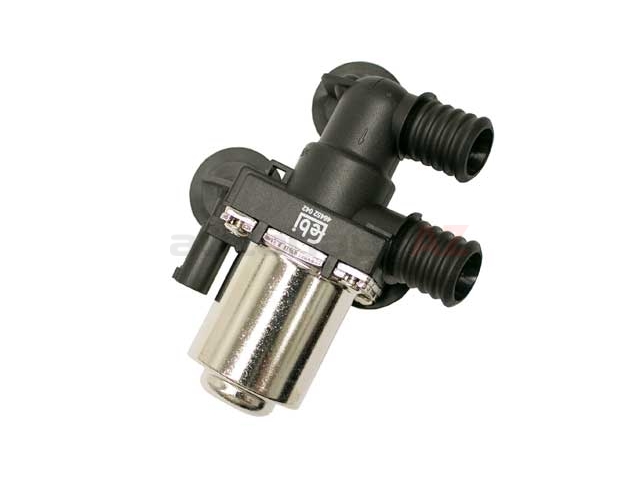


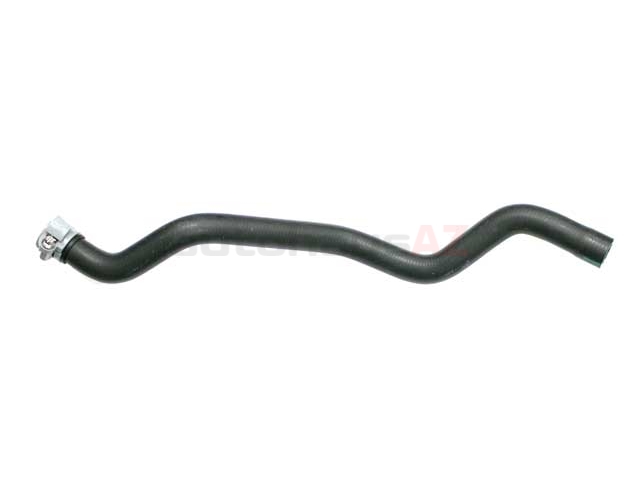
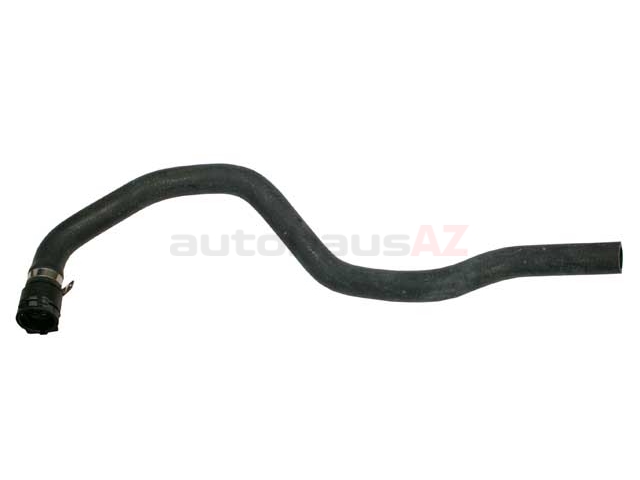
BMW 323CI heater valve typically cost between $8.59 and $69.99.
What Are Common Symptoms Of A Failing Bmw 323ci Heater Valve?
You might notice a few changes if the BMW 323CI heater valve starts causing trouble. The first and most obvious sign is a lack of warm air, even when you turn the knob all the way up. Sometimes, you’ll feel the air flip between hot and cold for no clear reason. Cold air only—when you want heat—comes up a lot. If the inside of your car doesn't heat up in the morning, or after the drive is well underway, that’s a red flag. You might also hear strange clicks or whirring sounds near the valve under the hood. Now and then, coolant will show up as ponds or droplets under your car—another hint. All these point to a heater valve that's not doing its job.
How Difficult Is It To Replace The Bmw 323ci Heater Valve?
Replacing the BMW 323CI heater valve isn’t the trickiest job on these cars, but it’s not just a quick swap either. Most owners with moderate mechanical skill can handle it. The valve lives on the passenger side, close to the car’s firewall, tucked in with hoses and wiring. First, you’ll drain some coolant so it doesn’t spill everywhere. Then, it’s mostly hoses and a few electrical plugs to tackle. Space is tight. Scraped knuckles are common. But with some patience, the right tools, and a few towels handy for drips, it’s doable in a few hours. Some prefer to let a shop handle it, but plenty of folks tackle it in their driveway.
What Causes The Bmw 323ci Heater Valve To Fail?
Heater valves on the BMW 323CI take a beating with regular use. Years of flipping open and shut can wear out the internal parts, leaving them stuck in one position or another. Coolant that’s old, rusty, or filled with sediment doesn’t help. Sometimes, the valve collects this grit and sticks. The wiring and small solenoids that trigger the valve can also fail—these parts don’t last forever. Skipping coolant flushes or using the wrong type can speed up corrosion inside, sealing the valve’s fate long before its time.
How Can I Test If My Bmw 323ci Heater Valve Is Working Properly?
To check the BMW 323CI heater valve, start with your sense of touch. Get the car warm, turn the heat to full, and see if hot air fills the cabin. Switch everything to cold and note if the temp changes right away. No change? Something’s wrong. For a close-up view, use a multimeter to test the wires at the valve—there should be voltage when you adjust the controls. If you hear the valve try to open or close, that’s another sign it’s getting power. Any leaks, sticky operation, or failure to change heat point back to a bad valve.
Can A Bad Bmw 323ci Heater Valve Affect Engine Cooling?
Most folks think the BMW 323CI heater valve just handles cabin warmth, but it can influence the cooling system overall. If the valve starts leaking, coolant can drop. Left unchecked, low coolant leads to engine overheating—never good, especially in these cars. A stuck valve can let coolant circulate when it shouldn’t, making temp control worse. In serious cases, engine temps climb, or the cabin stays cold with no warm air, both bad during a long drive in the winter.
Looking For An Affordable BMW 323CI Heater Valve?
AutohausAZ keeps the hunt for a BMW 323CI heater valve simple. You won’t face dealership sticker shock here. Low prices, fast shipping, and a return process that doesn’t make you jump through hoops. Find the part, fix the car, and get back on the road—all without missing a beat.