

BMW 323I Heater Valve Parts
Showing 4 out of 4 part(s) found in our catalog.
Brand
Keyword
Category
Select category below to view parts.
Mon-Fri 8-4 MST/PST (Arizona Time)

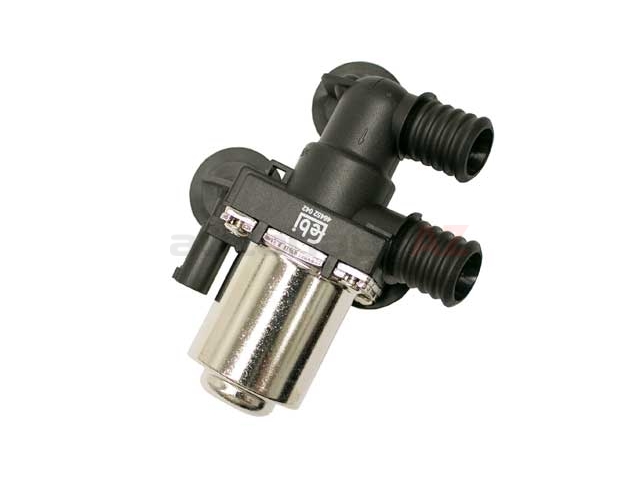


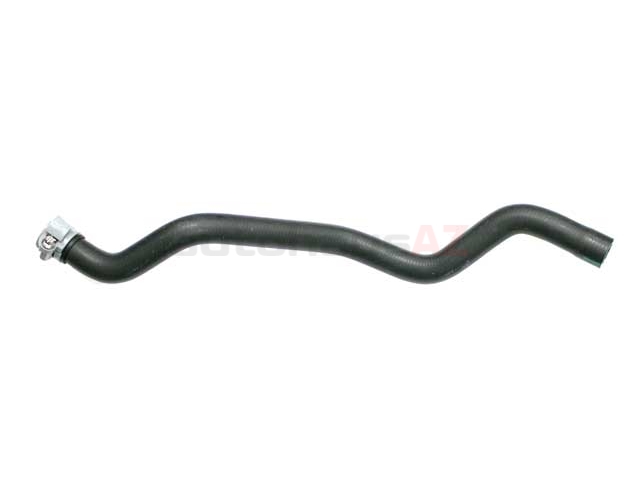
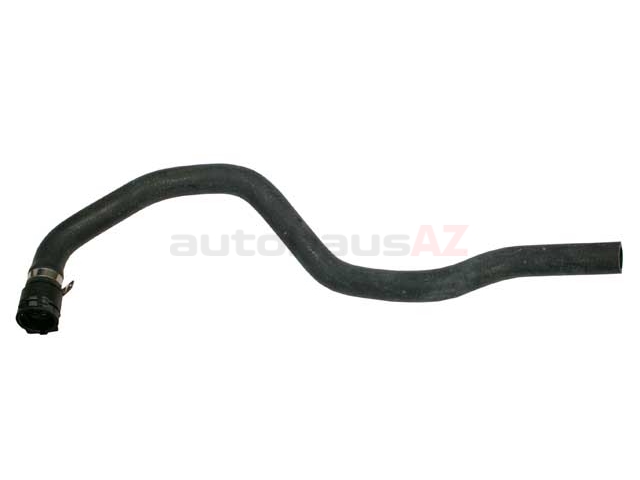

The average cost of a BMW 323I heater valve is between $8.59 and $138.99.
What Causes The BMW 323I Heater Valve To Fail?
A BMW 323I heater valve sees plenty of use as seasons change. Rubber seals harden, O-rings flatten, and that crisp click the valve used to make softens as corrosion creeps in. Coolant that hasn’t been changed on schedule can leave behind sediment or rust, choking up the narrow channels inside the valve. Sometimes, the body of the valve warps with heat or age. Even the smallest wiring interruption—a cracked solder, a worn connector—can send the whole unit silent. Heater valves don’t wear out all at once; issues creep in, first with a sticky movement or a faint leak, then eventually with heat that just won’t cooperate anymore.
How Do I Diagnose A Faulty BMW 323I Heater Valve?
Think about how the air feels. If it blows hot no matter the dial setting, or runs cold when you need warmth, the BMW 323I heater valve could be stuck or unresponsive. Place your hands on both inlet and outlet hoses while the engine warms—if both stay the same temperature while the system says otherwise, the valve isn’t working right. Listen as the temperature is adjusted; any clicking or lack of sound might give a clue. A test light or simple voltmeter can help check for power at the connector when the heat controls get used. No voltage? The problem may run deeper, possibly in wiring or the car’s controls. Power but no action? The valve’s mechanics could be the culprit itself.
What Are The Effects Of A Bad BMW 323I Heater Valve On Cabin Comfort?
A failing BMW 323I heater valve takes the control out of your hands. Winter mornings linger in the cabin, no matter how high the fan speed. Summer rides can feel muggy and close, with heat that won’t switch off. Passengers riding on different sides of the car might grumble—their temperatures are uneven, even though dual-zone controls say otherwise. In cold months, the windshield fogs over and doesn’t clear as quickly, leaving you squinting for the road ahead. Sometimes, you’ll catch a bitter chemical smell from a tiny leak, hinting at the problem before it’s obvious.
Can A BMW 323I Heater Valve Be Repaired, Or Does It Need To Be Replaced?
Sometimes, an old BMW 323I heater valve can be freed with a flush or a poke at the moving parts, but the results rarely last. The seals and electrical bits aren’t made for rebuilding, even if you pry the case apart. Once the valve sticks or leaks, it’s buying time until it acts up again. Replacement is the surest bet. Plug in a fresh part, flush the coolant to clear out any leftovers, and you’ll get back that crisp feeling from the heater and vents. It’s a one-and-done solution that saves you hassle down the line.
How Difficult Is It To Replace The BMW 323I Heater Valve?
Most people with a set of basic tools and some mechanical confidence can tackle this job. The BMW 323I heater valve usually sits up near the firewall, in plain view once the hood is up. You’ll drain a bit of coolant, unclip sensors and plumbing, and swap the valve out. A catch pan and rag keep your garage floor clean. Reassemble, refill, and then work out any air bubbles. The hardest part might be reaching some hose clamps if space is tight. Many who try it end up finishing faster than expected and wonder why they ever hesitated.
How Can You Find An Affordable BMW 323I Heater Valve?
At AutohausAZ, tracking down the right BMW 323I heater valve isn’t a guessing game. We keep our shelves stocked and prices trimmed, offering reliable parts without the sticker shock. Shipping goes out quick, so your car isn’t down for long. If something doesn’t match, our returns are clear-cut—no hoops. With us, you get what you need to keep your BMW on the road, comfortable through any weather.