

BMW 325I Variable Timing Solenoid Parts
Showing 9 out of 9 part(s) found in our catalog.
Brand
Keyword
Subcategory
Mon-Fri 8-4 MST/PST (Arizona Time)

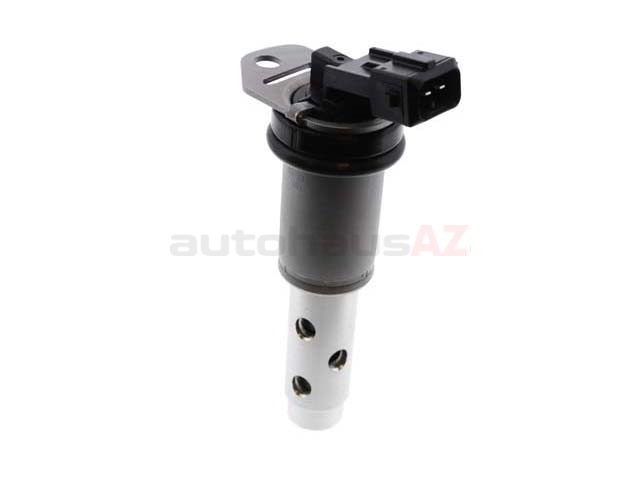

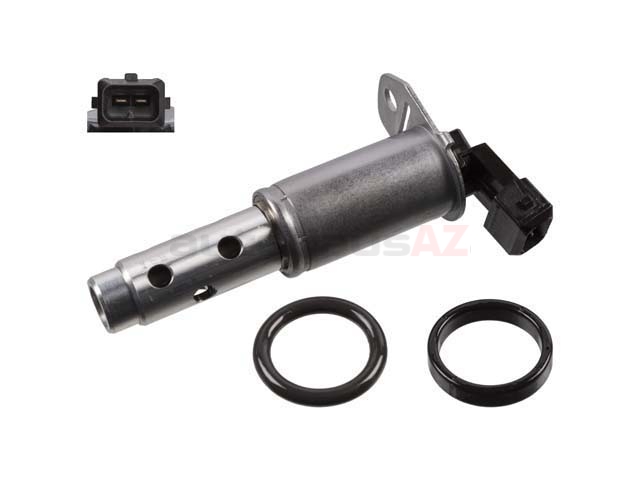

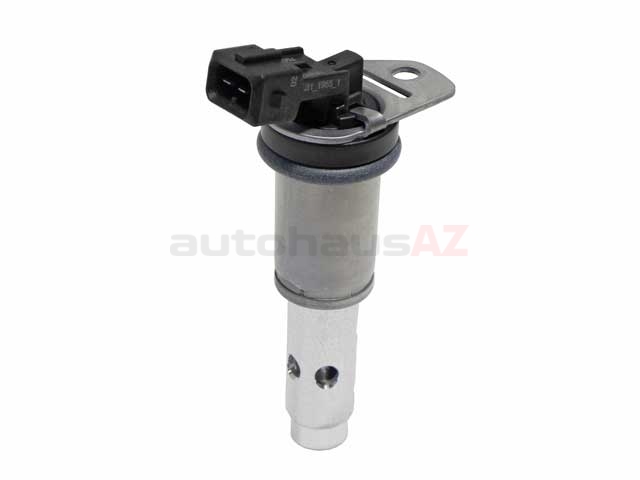
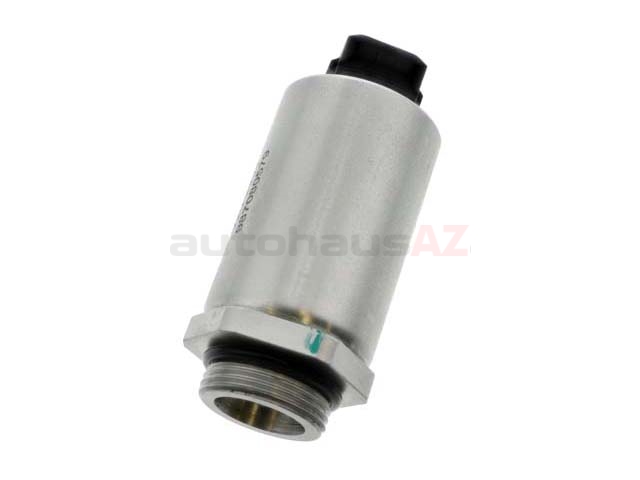
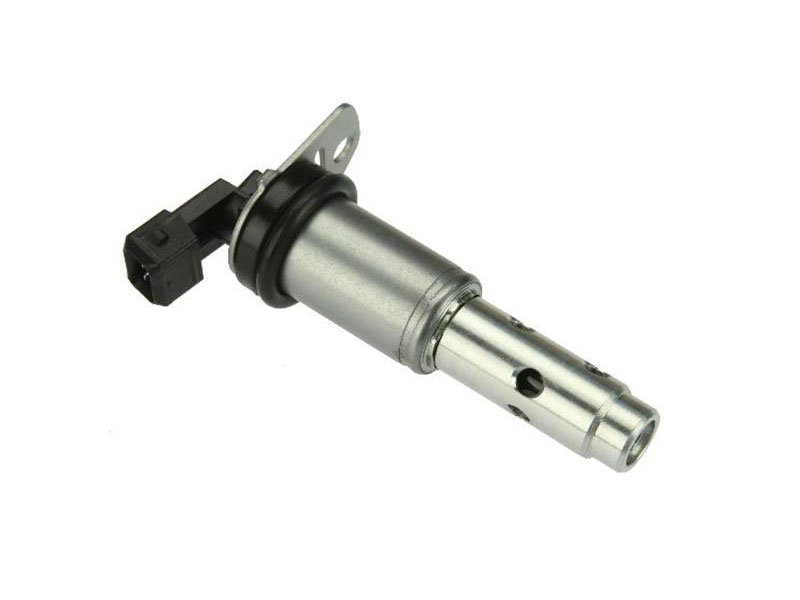
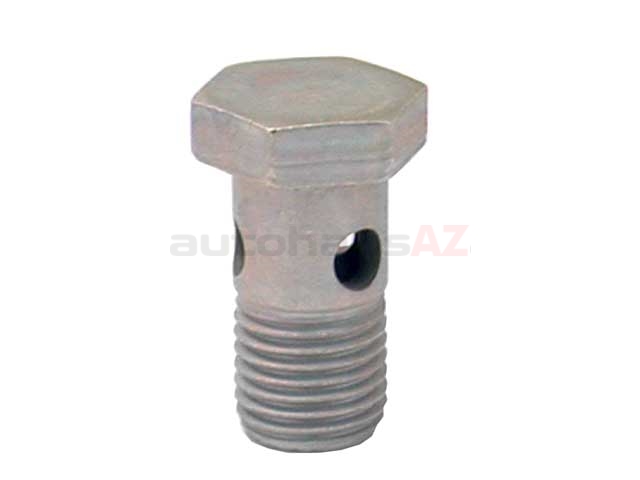
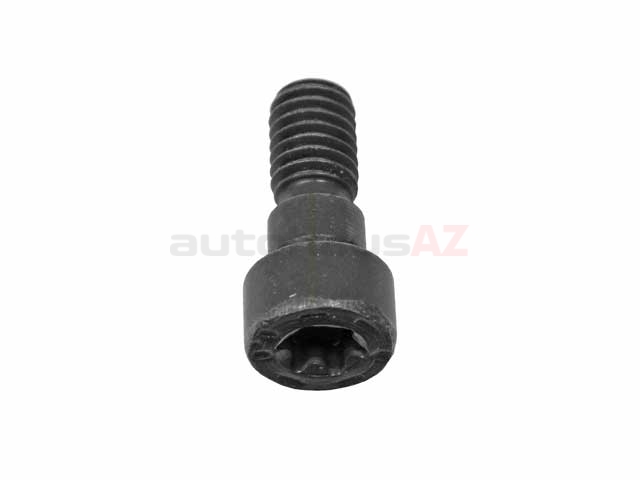
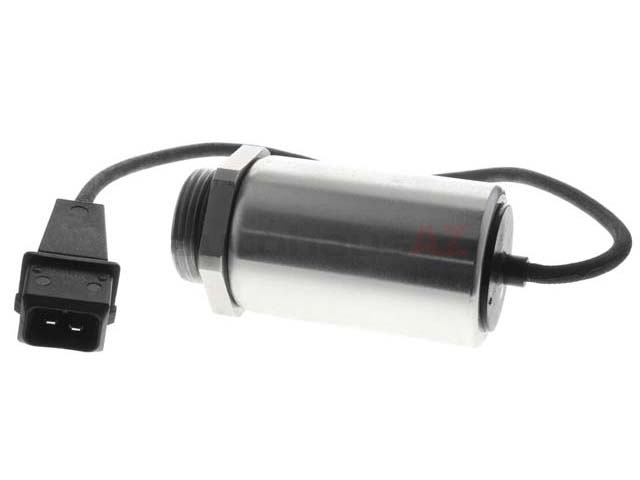

Based on industry averages you can expect to pay between $6.89 and $233.99 for a BMW 325I variable timing solenoid.
What Are The Symptoms Of A Bad BMW 325I Variable Timing Solenoid?
A bad BMW 325I variable timing solenoid throws off the way your engine feels and sounds. The idle goes rough, and you might catch the engine stuttering when you hit the gas. People often spot a dip in fuel economy—filling up more than usual. The check engine light shows up without warning, sometimes paired with a loss of power or delayed acceleration. Some drivers hear odd noises—clicks or rattles—under the hood. If misfires start happening or the engine seems slower than it used to be, don’t ignore it. These problems stack up, and the car could leave you stranded if you put off repairs too long.
How Do You Diagnose Issues With The BMW 325I Variable Timing Solenoid?
Most techs start with a scan tool to pull any engine codes. Faults related to timing or performance stand out. Next, they pop the hood and scan for leaks near the solenoid or streaks of old oil. Some will test the solenoid outside the car with power and ground; it should click if it works. Bad oil or sludge clues them in, sometimes pointing to a deeper reason behind the failure. Regular oil changes get checked off the list since dirty oil clogs the works. If nothing jumps out at first look, shops may recommend cleaning or swapping the oil filter and trying a fresh oil fill before going further.
How Often Does The BMW 325I Variable Timing Solenoid Need Replacement?
There’s no specific clock for a BMW 325I variable timing solenoid. Many last past 100,000 miles with good oil and filter habits. But longer city commutes, or lots of short trips, push the solenoid harder, making earlier failure more likely. If you keep up with oil changes and use the right grade, it’ll go the distance. Pay attention to odd running, warning lights, or a sudden drop in highway power—they’re the clearest signs something’s up. Replace it when symptoms show, rather than waiting for a complete shutdown.
Can You Drive With A Failing BMW 325I Variable Timing Solenoid?
You might get away with driving for a bit, but it’s risky. The car may limp along, burn more fuel, or hesitate during take-off. Over time, bad timing stresses the chain and can damage other engine parts. Stalling in traffic could put you in a spot. If the car starts acting up, plan for repairs as soon as you can. Quick fixes save money and headaches compared to what can happen if the issue drags out.
What Causes The BMW 325I Variable Timing Solenoid To Fail?
Most failures trace back to old or dirty oil. Skip a few oil changes, and sludge builds up, blocking the solenoid. Electrical connectors crack or come loose, breaking up the signal. Hot engines can shrink and harden seals, letting oil seep through. Add in harsh driving or cheap oil, and things wear out even faster. Sticking to the factory schedule for oil and filter swaps goes a long way. If symptoms start, a quick check may catch it before major engine work is needed.
Looking For The Best Deal On A BMW 325I Variable Timing Solenoid?
AutohausAZ has your back when it’s time to replace your BMW 325I variable timing solenoid. Skip the trip to the dealership and forget about dealership prices. On their site, you’ll usually find the part at a steep discount, often much lower than what shops ask. Orders ship quickly, sometimes same-day, meaning downtime is short. They make returns easy, no jumping through hoops or long waits. The site keeps things straightforward—no confusing part numbers or hunting through endless menus. Questions? Their customer support actually picks up the phone and helps, real people solving real problems. So whether you’re fixing the car yourself or bringing the part to your mechanic, you know you aren’t overpaying, and you’re getting back on the road sooner.