

BMW 325IC PCV Valve Parts
Showing 1 out of 1 part(s) found in our catalog.
Brand
Keyword
Subcategory
Mon-Fri 8-4 MST/PST (Arizona Time)

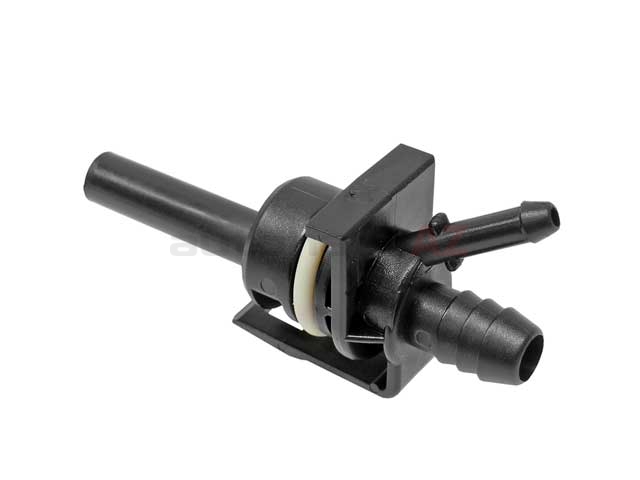


The average price of a BMW 325IC pcv valve is between $14.79 and $14.79.
What Are The Symptoms Of A Failing BMW 325IC PCV Valve?
When the BMW 325IC PCV valve starts going bad, a few warning signs crop up. The engine might idle roughly, and you could notice it hesitating while you sit at a light. Oil levels may dip faster than they usually do. Blue or white smoke from the tailpipe often shows up, usually from oil sneaking through the intake. You could even feel the car stumble or misfire when you hit the gas. Most owners also notice the check engine light making an early appearance, sometimes paired with codes tied to the emissions system. Spotting these symptoms early gives you a chance to handle the problem before bigger engine troubles set in.
How Often Should The BMW 325IC PCV Valve Be Replaced?
Most people plan on swapping out the BMW 325IC PCV valve between 60,000 and 90,000 miles. Still, it’s a good idea to check it every 30,000 miles during routine service, especially if you spend lots of time in stop-and-go traffic or keep your car parked for long stretches. Short trips and city driving can clog things up quicker than usual. Ignoring the valve for too long risks engine damage down the road. Make inspection part of your regular maintenance and you’ll likely avoid surprises.
What Problems Can A Bad BMW 325IC PCV Valve Cause?
A faulty BMW 325IC PCV valve leads to more than just poor running. Backed-up pressure in the crankcase is common, pushing oil past seals and causing messy leaks. Sludge can build up if the valve clogs, leading to gunk where it doesn’t belong. Your air-fuel mix could get thrown off, causing engine misfires or spikes in emissions. Over time, this small part can hurt gaskets and seals if left unchecked. Some owners have found themselves facing big repair bills from ignoring a sticky PCV valve. At the first sign of trouble, it’s worth checking it out to head off bigger headaches.
How Do You Test The BMW 325IC PCV Valve?
Testing the BMW 325IC PCV valve doesn’t call for fancy tools. With the engine idling, pop the hood and pull off the hose connected to the valve. Put a finger near the opening. You should feel some steady vacuum if the valve is good. If you don’t, it may be clogged. Give the valve a shake—if it rattles, it’s likely moving as it should; if it’s silent, it might be stuck. Any oil leaking around the valve or the hose is another red flag. After checking, secure the hose to keep things sealed up tight.
Is It Easy To Replace The BMW 325IC PCV Valve Yourself?
Swapping out the BMW 325IC PCV valve qualifies as one of the more beginner-friendly jobs for owners who like to turn their own wrenches. Most models let you reach the valve near the valve cover. Unclip the hose, pull out the old valve, and pop the new one in its place. Space can run tight on some models, but with a bit of patience the job is straightforward. Double-check the service manual for your car, and take it slow the first time around. Secure all hoses firmly before firing up the engine again to keep air leaks at bay.
Looking For The Best BMW 325IC PCV Valve?
When keeping your BMW 325IC in shape, you don’t want to bother with cheap knockoffs or wait forever for parts to show up. AutohausAZ knows your car matters, and stocks genuine BMW 325IC PCV valves for peace of mind. Prices stay low without any runaround, and you can expect orders to ship out quick. If an order doesn’t fit or isn’t quite right, returns are simple—and swapping parts is no hassle. Choosing the right valve for your car can be confusing, but their team gives you the details you need. Shop with confidence, skip the stress, and get back on the road without missing a beat. Next time you need a PCV valve or something else for your BMW, you’ll know where to look.