
BMW 325IC Radiator Cap Parts
Showing 1 out of 1 part(s) found in our catalog.
Brand
Keyword
Subcategory
Mon-Fri 8-4 MST/PST (Arizona Time)

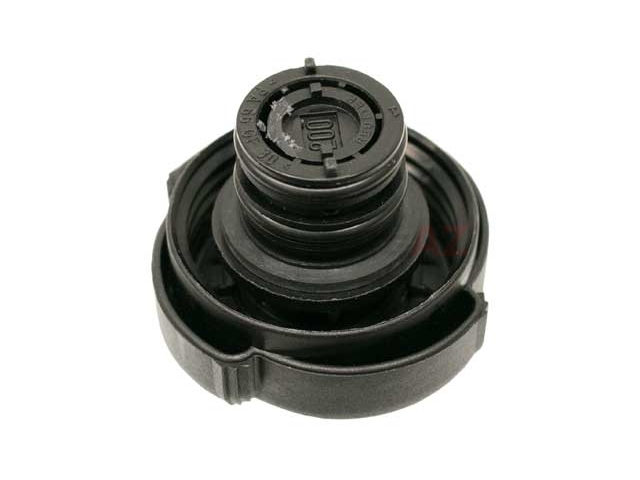


Based on industry averages you can expect to pay between $18.29 and $18.29 for a BMW 325IC radiator cap.
What Are The Signs Of A Failing BMW 325IC Radiator Cap?
A bad BMW 325IC radiator cap doesn’t hide for long. You might spot a layer of crusty coolant collecting near the cap or notice puddles after parking. Steam coming from under the hood is never a good sign and often points to a leak in the pressure system. The temperature needle climbing higher than normal, or that familiar smell of hot antifreeze, sets off alarm bells. Sometimes the coolant just disappears—even though you can’t see any wet spots on the driveway. Then there are the hoses. If the upper hose looks pinched flat after the car cools off, the system isn’t venting right. Testing the cap for pressure loss is easy in a shop, but if you think something is off, swapping in a new radiator cap is a small price to pay for peace of mind.
How Often Should The BMW 325IC Radiator Cap Be Replaced?
The BMW 325IC radiator cap is simple but doesn’t last forever. After a few years of high heat and pressure, the rubber seal can turn hard or brittle, and springs lose tension. Some drivers follow a four- or five-year rule, or change it out every 50,000 miles. It’s smart to check the cap whenever you drain or top up coolant or if you notice small problems—like unexplained drips or a temp light that lingers too long. At the first sign the cap doesn’t feel snug, swap it. A new radiator cap costs little, but can keep big repairs off the horizon.
What Pressure Rating Does The BMW 325IC Radiator Cap Need?
Not all radiator caps are built the same. The right BMW 325IC radiator cap keeps the pressure in the sweet spot. Factory caps usually carry a 2.0 bar or 29 psi rating. Go higher and you risk blowing hose connections or causing leaks. Too low, and the cooling system won’t pressurize enough, which can lead to overheating. There’s often a sticker under the hood, or you can look at the old cap for its pressure mark. Always check that any new radiator cap matches what BMW recommends.
Can I Use An Aftermarket BMW 325IC Radiator Cap?
Aftermarket options for a BMW 325IC radiator cap are everywhere. Some work fine, if you know what you’re buying. The key is to match pressure and fit exactly to OEM specs and avoid cheap knockoffs. Caps that don’t seal right or use weak springs can cause worry: coolant bubbling out, air pockets forming, or hoses swelling up. Good parts from trusted brands hold up just as well as OEM, but when it comes to something as small (and important) as a radiator cap, most owners stick with proven names to be safe.
What Issues Can A Faulty BMW 325IC Radiator Cap Cause?
A failing BMW 325IC radiator cap turns a simple drive into a guessing game. The system loses pressure, so coolant might boil away or back up into the reservoir. Your temp gauge might creep up at lights or when traffic drags. Sometimes a stubborn air bubble sneaks in too, and suddenly the heat stops working inside. Worst case, a weak cap triggers overheat warnings, making drivers jump to conclusions—like a blown head gasket. Often, a new radiator cap sorts everything out for just a few bucks.
Why Buy Your BMW 325IC Radiator Cap From AutohausAZ?
Shopping for a BMW 325IC radiator cap at AutohausAZ isn’t a hassle. Here, price tags aren’t padded like dealer parts, but you still get quality. Our buyers hunt for good suppliers and pass savings along, so you skip big markups. Orders move fast and tracking is clear, so you always know when your parts will land on your doorstep. Not the right fit or had second thoughts? No sweat—we make returns simple, with no fine print. Stuck or need advice before you hit buy? Our crew is ready to steer you right, or just walk you through the order. You don’t get a nameless web store. At AutohausAZ, getting a new radiator cap is easy, quick, and fair—and you’re back on the road before you know it. Thousands of drivers trust us. Maybe it's your turn to see why.