
BMW 530IT Knock Sensor Parts
Showing 1 out of 1 part(s) found in our catalog.
Brand
Keyword
Subcategory
Mon-Fri 8-4 MST/PST (Arizona Time)

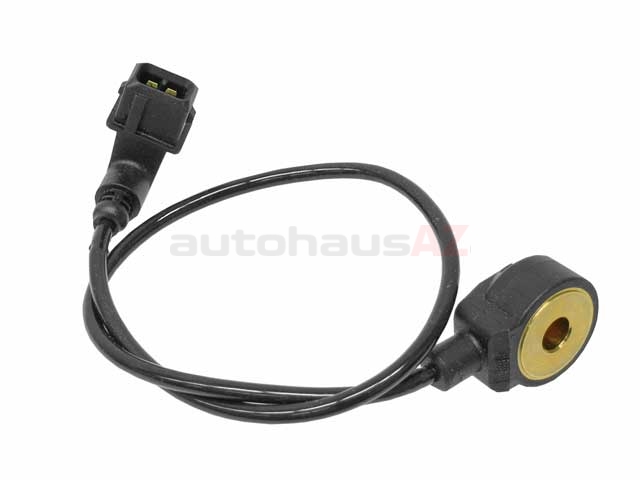


The average cost of a BMW 530IT knock sensor is between $46.99 and $46.99.
What Does The BMW 530IT Knock Sensor Do?
The BMW 530IT knock sensor is a kind of lookout for your engine. Its job is to pick up vibration signals from the engine block when something’s not right in the combustion chamber. If it “hears” knocking, it alerts the engine’s computer right away. The computer then tweaks the ignition timing, dialing things back to prevent damage. If you let a bad sensor go, the engine runs harder than it should. That can mean less power, worse gas mileage, and more wear. Swapping in a new BMW 530IT knock sensor helps keep repairs and headaches down the road to a minimum.
What Are Signs Of A Faulty Knock Sensor In The BMW 530IT?
If the BMW 530IT knock sensor starts to give out, the car will let you know. Slow pickup when hitting the gas. Rattling or pinging sounds from the engine, even when driving gently. More trips to the gas pump because the car uses more fuel than usual. The check engine light might pop on, too. Ignoring these hints risks hefty engine repairs, as the car can’t step in and stop internal knocking. If your ride feels off, have the BMW 530IT knock sensor checked before a minor issue turns into a major one.
Where Is The Knock Sensor Located On The BMW 530IT?
You’ll find the BMW 530IT knock sensor bolted to the engine block, tucked under the intake manifold. It sits right in the thick of things so it can listen to all the cylinders at once. To get to it, you’ll likely be taking off the intake manifold and maybe a few other parts for good measure. The job isn’t exactly simple, so either break out the repair manual or consider booking time with a pro if you’re not used to getting elbows-deep in an engine bay.
How Do You Replace The Knock Sensor On The BMW 530IT?
First, pop the hood and disconnect the battery. Take off any covers and set aside the intake manifold. Now you can get a clear shot at the BMW 530IT knock sensor on the engine block. Unplug its wiring and unscrew the sensor. Pop in the new sensor and make sure it’s tight but not overdone—use the torque spec if you have it handy. Hook everything up in reverse. Double-check everything is snug. Once finished, clear any stored error codes if you have a scanner, then let the engine run and listen for a smooth idle.
Will A Bad Knock Sensor Damage The Engine Of The BMW 530IT?
Running with a faulty BMW 530IT knock sensor isn’t just risky, it’s a ticket for expensive repairs down the line. The engine loses its ability to “hear” knock, so it keeps firing as if nothing’s wrong. That means more strain, worse fuel economy, and the chance internal parts get banged up. Pistons, rods, and valves all take a hit. Compared to the cost of a new sensor, those repairs can be brutal. Stay ahead by watching for knock sensor trouble and fixing it before your wallet feels the pain.
Looking For The Best Place To Buy A BMW 530IT Knock Sensor?
It can be tough finding parts you trust without getting fleeced, but AutohausAZ keeps things simple. Good pricing means you won’t get sticker shock at checkout, and you won’t be stuck waiting forever for a shipment. Their warehouse team gets your BMW 530IT knock sensor boxed up and out the door fast, so you spend more time driving and less time refreshing your order status. Need a return? No drama there, either. Reach out with a question, and you’re talking to someone who gets cars, not a call center script. That’s the kind of straightforward experience that keeps people coming back—and the kind you want when it’s time to buy your next sensor.