

BMW 535xi Clutch Slave Cylinder Parts
Showing 2 out of 2 part(s) found in our catalog.
Brand
Keyword
Subcategory
Mon-Fri 8-4 MST/PST (Arizona Time)



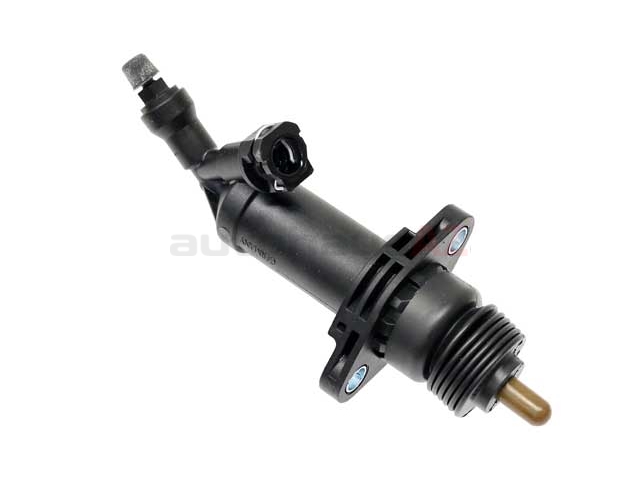
Based on industry averages you can expect to pay between $54.99 and $72.99 for a BMW 535xi clutch slave cylinder.
What Are The Early Signs Of Failure In A BMW 535xi Clutch Slave Cylinder?
When the BMW 535xi clutch slave cylinder starts to go, you may notice the clutch pedal feeling soft or staying closer to the floor than normal. Sometimes, it's spongy or you’ll have trouble getting into certain gears, especially first and reverse. Fluid building up beneath the car near the transmission bell housing signals a potential leak. Some drivers complain about sudden changes in the pedal’s resistance, or they find the engagement point of the clutch moves. If air sneaks into the hydraulic line, shifting gets harder and more unpredictable. Leaving these issues unresolved can strain the rest of your clutch system, leading to sudden breakdowns.
How Do You Replace The BMW 535xi Clutch Slave Cylinder?
Replacing a BMW 535xi clutch slave cylinder begins with lifting the car and securing it so you can reach the transmission's side. First off, disconnect the negative battery cable. Next, you’ll spot the cylinder by where the hydraulic line disappears into the bell housing—unthread that line, then pull the bolts holding the cylinder itself. Line up the new part with the clutch fork and bolt it back in. Connect everything and bleed the system to get rid of air inside the line. You’ll want a line wrench and a helper for the bleeding part. Many replace this cylinder when tackling a full clutch job, but if you notice symptoms and keep driving, you risk bigger problems.
Why Is My Clutch Pedal Sticking Or Not Returning On A 535xi?
With a BMW 535xi clutch slave cylinder starting to fail, the pedal can stick or fall down and not spring back up. The common cause is internal leakage or a breakdown of pressure inside the cylinder, which leaves the hydraulic system unable to do its job. Worn out seals or failed cylinders let air in or fluid out, making the pedal act up. Sometimes, the main clutch master cylinder is at fault, but a quick inspection can show where the leak or problem hides. If you let it go, shifting gets worse and other parts wear out from the extra force needed.
Is It Necessary To Bleed The Clutch After Changing The Clutch Slave Cylinder?
Yes, bleeding is necessary whenever you swap in a new BMW 535xi clutch slave cylinder. Even a little bit of air trapped will throw off the clutch’s feel and performance, leading to weird engagement or the pedal sticking in the wrong spot. A two-person bleed gets the job done well—one pumps and holds the pedal, the other cracks open the bleeder until the fluid runs clean and bubble-free. Many also use a vacuum bleeder to speed things up. Skipping this step only creates more headaches, and the clutch won’t work as it should.
What Kind Of Fluid Should I Use In The Clutch Hydraulic System?
The correct fluid for the BMW 535xi clutch slave cylinder is DOT 4 brake fluid—same stuff used in the car’s brake master cylinder. Using the right formula is important; wrong or dirty fluid will attack the seals and cause corrosion. Always check the label and stick with the manufacturer’s advice in the manual. Fresh, clean fluid makes the clutch smooth and responsive, while old or mismatched fluid can cause failures and bigger repair bills down the line.
How Can You Save On A BMW 535xi Clutch Slave Cylinder?
Finding savings on a BMW 535xi clutch slave cylinder isn’t hard when you look in the right spots. Some go with trusted suppliers like AutohausAZ, who keep prices low and move inventory fast. Quality and fit matter, but watching for deals and buying during site-wide sales drops your cost even more. Shipping moves quickly, customer support helps if you’re unsure, and returns run smoothly if the part doesn’t fix your problem. It pays to compare before you buy—and with the right source, you keep more money in your wallet.