

BMW 633CSI Valve Spring Parts
Showing 1 out of 1 part(s) found in our catalog.
Brand
Keyword
Subcategory
Mon-Fri 8-4 MST/PST (Arizona Time)

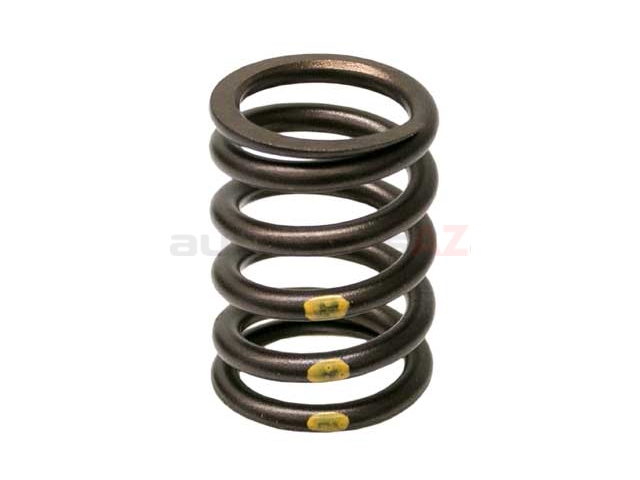


The average price of a BMW 633CSI valve spring is between $19.19 and $19.19.
How Can I Tell If My BMW 633CSI Valve Spring Is Failing?
If your BMW 633CSI valve spring is starting to go bad, you’ll often notice the engine sounds rougher than usual. Listen for ticking or tapping noises, especially when you rev the engine. You might also feel the engine running lumpy at idle, or spot an occasional misfire. Performance takes a hit too—you may find your car getting sluggish when you accelerate. Sometimes, a shaky engine or uneven vibrations can point toward a worn spring. If you lift the valve cover for a closer look, a weak or damaged spring may stand out with cracks or obvious lean. At the first sign of these problems, it’s smart to pause driving until you can get it checked out.
What Causes the BMW 633CSI Valve Spring To Break or Lose Tension?
For the BMW 633CSI valve spring, most trouble starts with simple wear and tear. Years of opening and closing with every engine stroke can tire out the metal, especially on high-mileage engines. Heat is also tough on springs—if your car’s ever run hot, the springs may pay the price. Old, dirty oil or sludge can lead to weak spots from rust or corrosion. And if you push your car hard—think aggressive driving or lots of high RPM work—it puts more strain on the valve springs. Simple things like fresh oil and regular maintenance can help, but all springs wear out eventually.
Is It Safe To Drive With a Broken BMW 633CSI Valve Spring?
It’s not worth the risk to drive with a broken BMW 633CSI valve spring. When a spring fails, a valve may be left hanging open, and that can spell disaster if it hits the piston while the engine’s running. That kind of contact can lead to seriously expensive repairs, like bent valves or worse, a damaged piston. If you think a valve spring has failed, it’s best to park the car and get it fixed before things get any worse.
What Are the Steps for Replacing a BMW 633CSI Valve Spring?
Changing a BMW 633CSI valve spring takes some time and the right tools, but it’s doable if you’re comfortable around engines. Start by disconnecting the battery, then clear out whatever blocks access to the cylinder head. Off comes the valve cover, and you’ll need to remove the camshaft to get a clear shot at the springs. With a spring compressor, you can press down the spring and pull out the small keepers that hold it in place. After swapping in the new spring, everything goes back in the way it came out. It’s wise to check the rest of the valvetrain for wear while you’re in there, and double-check timing marks before firing the engine back up. Having a repair manual for your BMW by your side is a big help.
Can an Upgraded BMW 633CSI Valve Spring Improve Performance?
Upgrading your BMW 633CSI valve springs can be a good move if you’re tuning the engine for more power or plan to run higher RPMs. Performance springs are stronger and keep the valves working properly at speeds where stock springs might start to float. If you’re swapping to a more aggressive camshaft, stiffer springs make sure you get the most out of the setup. Be aware, though, that tougher springs can be a bit noisier and may mean extra wear on other engine parts. If you’re just rebuilding a stock engine, upgraded springs usually aren’t necessary—but for performance builds, they’re often part of the plan.
Where Can You Find Affordable BMW 633CSI Valve Springs?
You don’t have to spend a fortune on a BMW 633CSI valve spring. AutohausAZ keeps them well-stocked and reasonably priced, making it easy for anyone to order. Shipping is quick, and returns aren’t a hassle, so you can shop with peace of mind. Take a look and see how simple it is to find the right part for your BMW.