

BMW 733I Heater Hose Parts
Showing 1 out of 1 part(s) found in our catalog.
Brand
Keyword
Subcategory
Mon-Fri 8-4 MST/PST (Arizona Time)

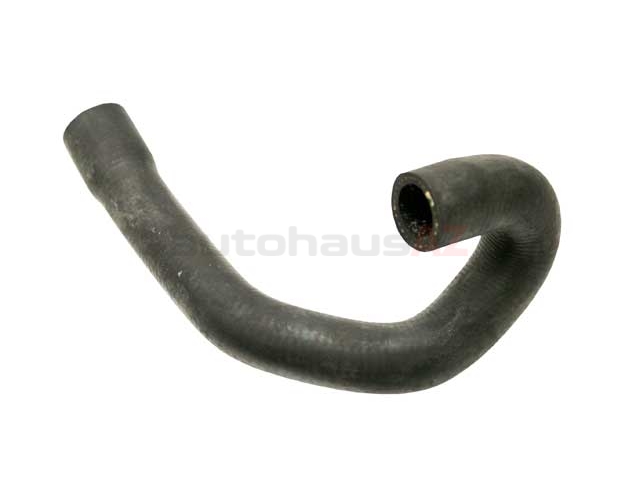


Based on industry averages you can expect to pay between $46.99 and $46.99 for a BMW 733I heater hose.
What Are Common Signs A BMW 733I Heater Hose Needs Replacing?
Cracking along the surface, bulging in certain spots, and visible coolant leaks—these tend to crop up first. You might spot drips below the car or green fluid pooled under the engine bay. A sticky sweet smell in or around the vehicle signals coolant escaping, often through a worn-out BMW 733I heater hose. Dips in coolant levels—especially if you’re topping off more than usual—shouldn’t be ignored either. If the heater starts blowing cold air or the temperature gauge climbs higher than normal on short drives, the hose may be at fault. Don’t wait for steam to pour from under the hood; inspecting and replacing the hose when these signs appear can help stop more costly engine trouble down the road.
How Difficult Is It To Replace The Heater Hose?
Getting the old BMW 733I heater hose out calls for some patience, but it’s within reach for do-it-yourselfers with a bit of experience and the right tools. Some spaces in the engine bay are snug, so some flexibility helps. Draining a bit of coolant first prevents spills, and the next step centers on loosening clamps and removing the hose. When swapping in the new part, make sure it isn’t kinked or twisted. Secure those clamps—hand-tight isn’t always enough. Allow time for the engine to cool; skip this, and burnt knuckles are likely. If anything feels out of your comfort zone, tapping a mechanic is wise. Saving time and headaches sometimes comes down to knowing when to ask for a hand.
Which Heater Hose Brands Offer the Best Fit and Durability?
OEM parts tend to fit best, and matches for lifespan are rare. If original isn’t an option, well-known aftermarket names sometimes meet the mark. Brands with tough, reinforced rubber construction usually perform well in the BMW 733I heater hose role. Bargain hoses might tempt some, but they can soften, split, or leak after the first heat cycle. It pays to talk with a BMW specialist or seasoned supplier—feedback on which brands last keeps you from swapping hoses twice in short order. Quality parts may run a bit more up front, but you save on frustration in the long run.
What Coolant Should Be Used After Replacing the Heater Hose?
Stick to a coolant that matches BMW standards: look for phosphate-free and nitrite-free formulas. Those labeled as compatible or recommended by the vehicle manufacturer are safest bets. Mixing coolants or skipping a full flush sometimes leads to odd colors or, worse, chemical buildup that can eat away at fresh hoses. Pouring only new coolant in after a thorough flush keeps the system free of grit and grime, which means fewer issues later. Sometimes, a quick call to a trusted parts counter saves a lot of second-guessing.
Why Does the Heater Hose Leak Soon After Installation?
Leaks soon after swapping in a new BMW 733I heater hose usually point back to the clamps: either they’re loose or not lined up right. Old, rusty clamps or reused ones from the last hose often miss forming a tight seal. Grit or leftover residue where the hose meets metal can also interfere, causing leaks even when everything seems tight. Fresh new clamps, cleaned fitting points, and one last check right after running the engine help catch these fast. It’s easy to miss a small leak the first time around—watching for drips and tightening things after a break-in run catches problems early.
Looking For Affordable BMW 733I Heater Hose Solutions?
At AutohausAZ, finding the right BMW 733I heater hose is easy. Our prices stay low, and shipments go out quickly—your part could land on your doorstep sooner than you expect. If you order a hose but it doesn’t fit, returns are simple and stress stays off your shoulders. We believe in real parts, real deals, and a shopping process that’s refreshingly smooth.