

BMW 740I Knock Sensor Parts
Showing 5 out of 5 part(s) found in our catalog.
Brand
Keyword
Subcategory
Mon-Fri 8-4 MST/PST (Arizona Time)



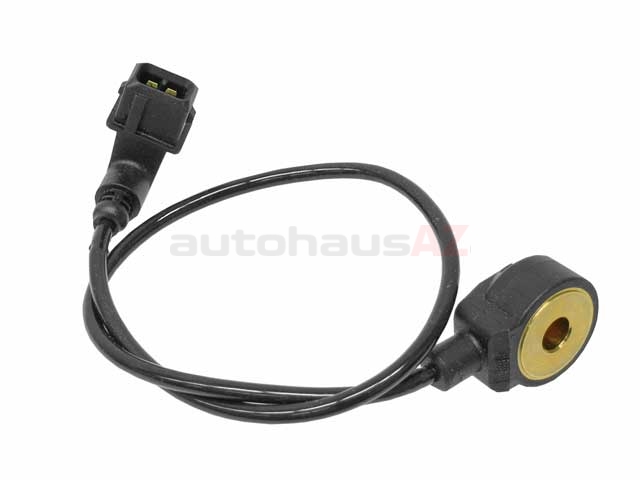
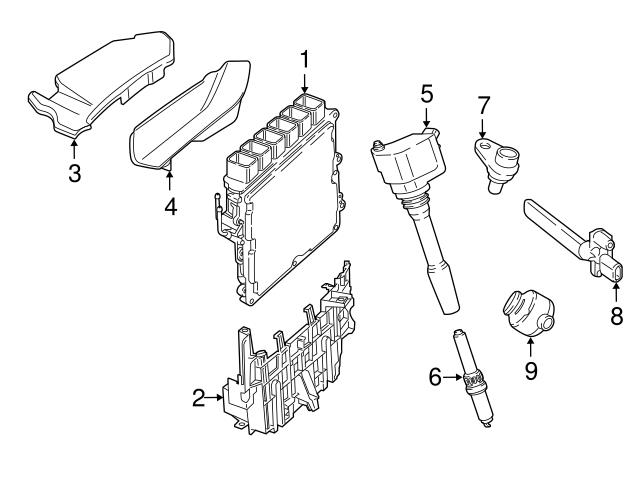
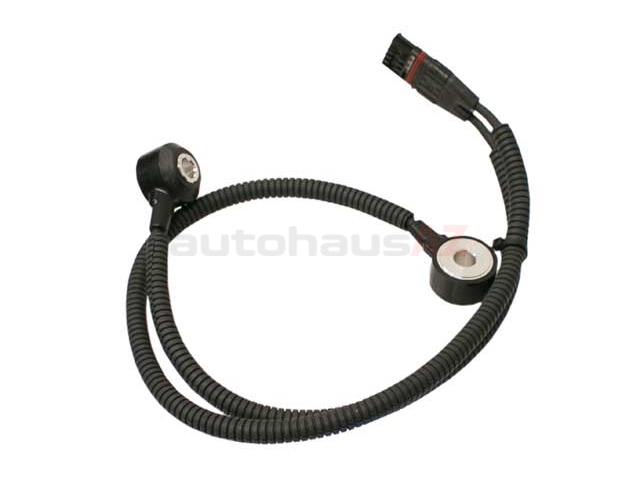
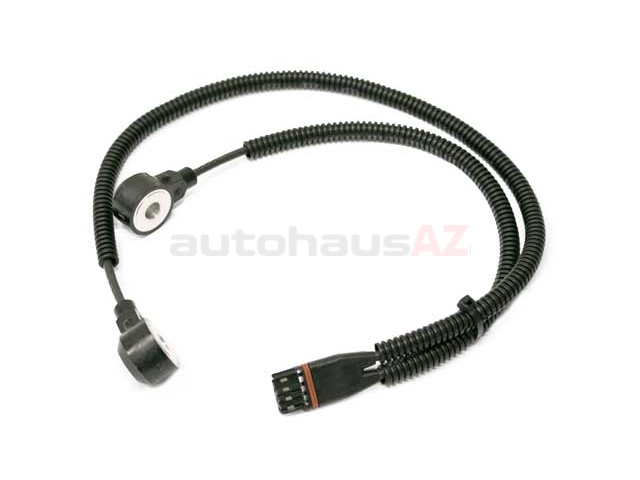
Based on industry averages you can expect to pay between $23.29 and $89.99 for a BMW 740I knock sensor.
What Are The Common Symptoms Of A Failing BMW 740i Knock Sensor?
With a bad BMW 740i knock sensor, the car often loses some smoothness. You may feel the engine running rougher, especially when you try to accelerate. Acceleration can feel sluggish, almost like the car’s holding back. The check engine light usually shows up, either solid or flashing, and you might notice codes that point to the sensor. Gas mileage can get worse, as the computer tries to account for the faulty reading. Sometimes you’ll hear a pinging or knocking sound from under the hood, louder than normal—this happens because the timing isn’t being adjusted well. If you catch these signs, checking the 740i knock sensor is a smart first move.
How Difficult Is It To Replace The BMW 740i Knock Sensor?
Changing out the BMW 740i knock sensor isn’t a beginner job, but it’s not impossible if you have patience and some tools. The hardest step is reaching it, since it sits under the intake manifold on most of these models. You’ll need to take off the manifold, which means unplugging wiring, hoses, and moving other parts out of the way. It can feel pretty involved. Plan for half a day, maybe longer if you haven’t done this sort of thing before. Having a torque wrench for reinstalling bolts and a good set of sockets helps. Always replace the manifold gaskets so you don’t add a vacuum leak to your troubles. For someone used to engine work, it’s very doable. For a first-timer, it will be a long afternoon.
What Causes The BMW 740i Knock Sensor To Fail?
Heat cycles and steady vibration wear on a BMW 740i knock sensor over years of use. The plastic and electrical parts can break down after a while, especially with high miles. Leaking engine oil or coolant sometimes gets onto the sensor or wiring and starts to break down the connections. Water can sneak into cracked plugs or bad seals. Over-tightening during past repairs can crack the housing. Sometimes it’s an age thing, sometimes an outside factor, but in most cases, it’s a slow build-up of wear and exposure that finally pushes the sensor over the edge.
Will The Car Run Without A Working BMW 740i Knock Sensor?
The BMW 740i will still drive with a bum knock sensor, but it will feel different. The car’s computer will play it safe—timing gets held back, and performance drops. You may notice a serious loss of punch when you ask for more power. If you keep driving this way, you also risk real engine knock under load, which can snowball into expensive repairs if ignored. The check engine light will stay on until you fix it. On long trips or in hot weather, it’s riskier. You can limp around the block, but keep it up for weeks and you might cause larger problems.
How Do You Test If The BMW 740i Knock Sensor Is Working?
Start by hooking up a scan tool—look for fault codes that mention the knock sensor or timing issues. No tools? Use a multimeter to check resistance across the sensor; zero or no reading at all means it’s failed. Sometimes you can gently tap the engine near the sensor while watching live data on a scan tool, searching for a spike that shows it reacted. Always check the connector for green corrosion and make sure wiring isn’t frayed or soaked in oil. If you spot rust, broken plastic, or a loose plug, you’ve found your trouble point. Testing is quick if you know where to look.
Where Can You Find Quality BMW 740i Knock Sensors At Great Prices?
Finding a solid BMW 740i knock sensor doesn’t need to be stressful. Look for a seller who understands what makes your BMW tick and stocks trusted brands. Competitive prices and fast shipping sweeten the deal, so you’re not stuck waiting when your car is down. The right shop should make returns simple, in case you grab the wrong part. Someone on the other end of the phone or email, ready to help, means a lot when you’re wrenching on your own. Choose a source that values your time, your car, and your peace of mind. In the end, you want a part that fits right, arrives fast, and gets you back on the road without a headache.