

BMW Bavaria Valve Spring Parts
Showing 1 out of 1 part(s) found in our catalog.
Brand
Keyword
Subcategory
Mon-Fri 8-4 MST/PST (Arizona Time)

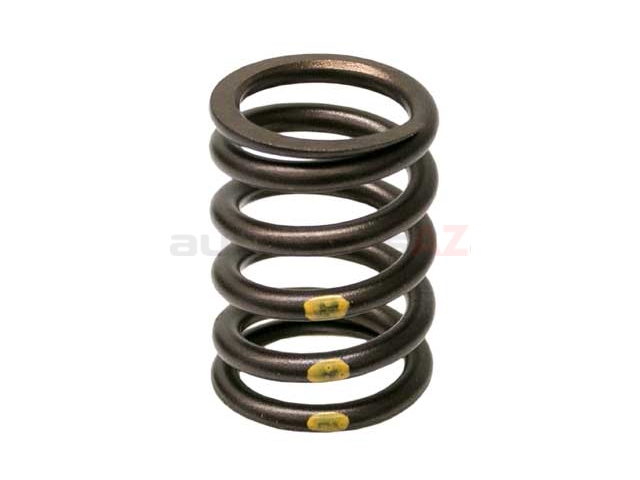


Based on industry averages you can expect to pay between $19.19 and $19.19 for a BMW Bavaria valve spring.
What Are Common Signs Of A Failing BMW Bavaria Valve Spring?
If your BMW Bavaria valve spring is on its way out, you’ll usually notice a few things. The car might start misfiring when you press the gas, or it could idle rough when you’re at a stoplight. Another classic clue: a tapping or ticking sound coming from the engine bay. Sometimes, it even feels like you’re losing power, or the gas mileage isn’t what it used to be. These problems happen because the valve spring isn’t keeping everything in sync, leading to valves that don’t move like they should. It’s smart to get things checked soon if you notice any of these signs, since waiting can mean bigger (and more expensive) engine trouble down the road. You or your mechanic might also spot a bad spring during an inspection, especially if there’s rust or if the spring looks warped. Still, it’s best to let a pro handle the final word.
How Does A Broken BMW Bavaria Valve Spring Affect Engine Performance?
When a BMW Bavaria valve spring gives out, the engine doesn’t run the way it should. You might get misfires, notice the car running rough, or even see the check engine light come on. If the spring can’t do its job, the valves won’t open and close at the right moments, and that throws everything off—sometimes you’ll lose compression, and the engine just doesn’t have the same get-up-and-go. If it gets really bad, it can cause the valve and piston to actually hit each other, and that’s an expensive fix. Bottom line: ignoring spring issues can end up costing a lot more than getting them sorted early.
What Causes BMW Bavaria Valve Spring Failure?
There are a handful of reasons a BMW Bavaria valve spring might wear out or break. High mileage is a big one—those springs move constantly, and after thousands of miles, fatigue sets in. Engines that are pushed hard or run at high RPMs a lot tend to wear out springs faster. Old oil or condensation inside the engine can cause the springs to rust, which makes them weak. Sometimes a part might leave the factory with a flaw that shows up years later, but that isn’t too common. Skipping oil changes or regular check-ups can also shorten the life of the springs. Keeping up with maintenance is really the best way to help them last.
Is Replacing A BMW Bavaria Valve Spring A DIY Job?
Swapping out a BMW Bavaria valve spring isn’t usually something most people do in the driveway. You need a few specialty tools and a steady hand, since a lot has to come apart before you even get to the springs. On some old-school cars it’s a bit simpler, but it’s still easy to make a mistake that could end up costing way more than the repair. Most folks leave this job to a professional, so they know the work is done right and the engine is protected.
When Should BMW Bavaria Valve Springs Be Replaced?
Under normal driving and with regular care, the BMW Bavaria valve spring can last a long time, often as long as the engine itself. But if you start to hear weird noises, feel the engine hesitate, or see signs of wear during an inspection, it’s best to look at replacing the spring. Some people take the opportunity to change all the springs when rebuilding the cylinder head, especially if the car has high mileage or is getting a performance upgrade. Whenever you notice something off, or if your mechanic flags it during a service, it’s smart to get it sorted sooner rather than later.
How Can You Find Affordable BMW Bavaria Valve Springs?
We know how much your BMW Bavaria means to you, and keeping it on the road shouldn’t be a hassle or cost a fortune. That’s why AutohausAZ offers real-deal parts at prices that won’t leave you gasping. Ordering is easy, shipping’s quick, and if you need to swap something, our return policy is a breeze. We’re here to help you keep your BMW running strong—without emptying your wallet.