

BMW E90 3-Series Control Arm Bushing Parts
Showing 4 out of 4 part(s) found in our catalog.
Brand
Keyword
Subcategory
Mon-Fri 8-4 MST/PST (Arizona Time)

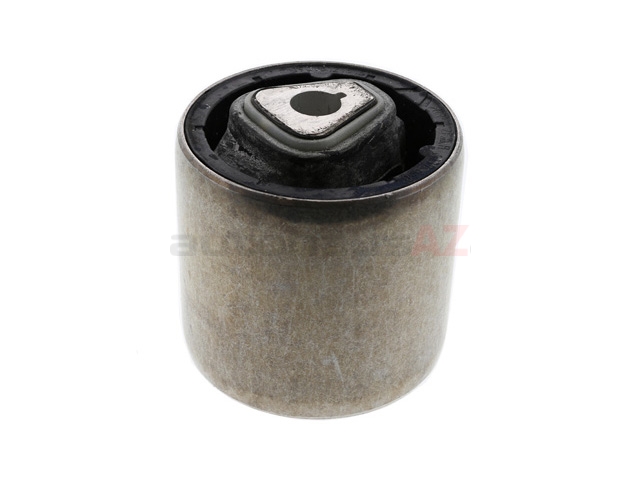


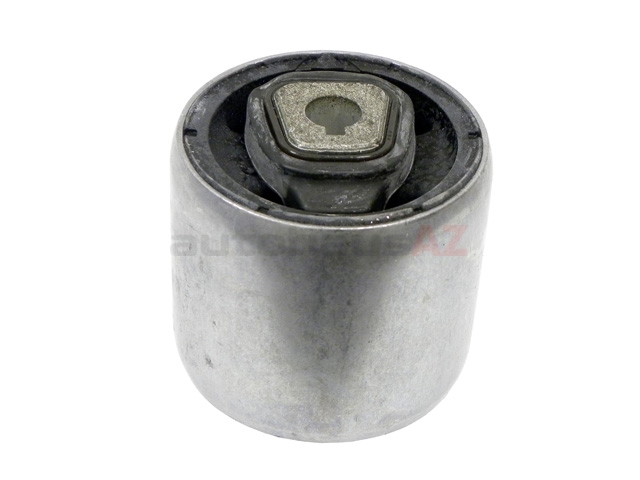
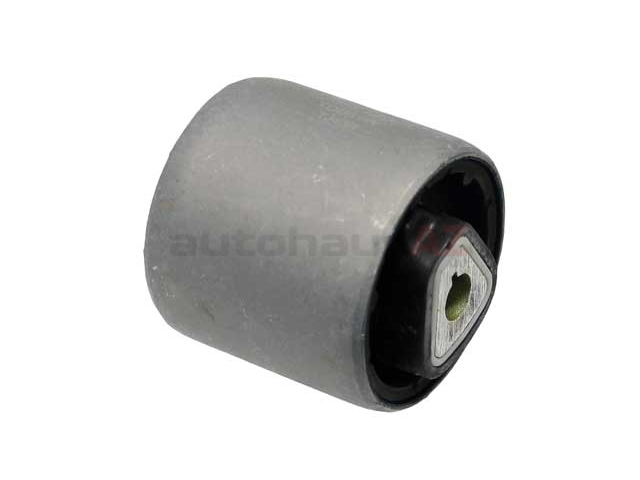
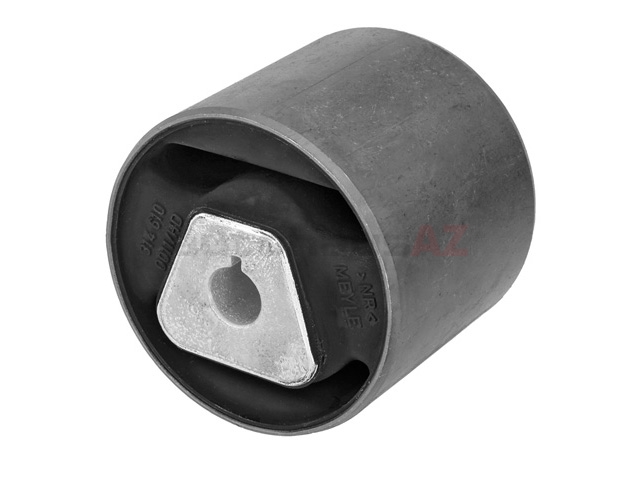
BMW E90 3-Series control arm bushing typically cost between $14.09 and $27.99.
What Are The Signs Of A Worn BMW E90 3-Series Control Arm Bushing?
You might first notice a dull thud or a metallic knock when driving on rough roads or going over potholes. The steering starts to feel lazy, and the car pulls to one side without any clear reason. On the highway, even minor bumps or cracks in the road send a vibration through the steering wheel. Tires sometimes wear unevenly; you’ll see bald spots or strange patterns, usually at the edges. If you take a look under the car, old bushings can look dry, cracked, or torn away from their mounts. The ride turns unpredictable, and you can’t trust the suspension the way you used to. Ignoring these early signals often leads to more expensive trouble down the road.
How Long Do BMW E90 3-Series Control Arm Bushings Last?
Control arm bushings on an E90 usually hang in there for about 60,000 to 100,000 miles, depending on where and how you drive. If you constantly battle city traffic, hit curbs, or drive over salt and grit all winter, bushings wear out earlier. Chill drivers sticking mostly to smooth roads can see bushings last longer. In states with a lot of heat or humidity, rubber breaks down fast. Most people start to see signs of wear after five or six years. It pays to check them each time you service the brakes or notice odd steering changes. Replacing them before they fail keeps you ahead of bigger, costlier repairs.
Can I Replace BMW E90 3-Series Control Arm Bushings Myself?
Tackling control arm bushings at home is possible for handy folks, but it’s not a walk in the park. You’ll need sturdy jack stands, a torque wrench, and sometimes a heavy-duty press to get the old bushings out. Basic hand tools can do the job for some bushings, but BMW’s tight factory specs mean a press is often needed. If you don’t have patience, experience, or the right equipment, things can get frustrating. One slip, and you can throw off your alignment or damage the suspension arm. Shops with experienced techs complete the job faster, but DIY can save money—just plan ahead and go slow.
Which Symptoms Indicate Control Arm Versus Control Arm Bushing Problems?
Worn bushings often make themselves known with clunky noises and a disconnected feeling through the wheel. Steering grows dull, and the car jitters where it should glide. If you see big changes in how your BMW tracks on the road, or the car wants to drift even with small steering input, the control arm itself could be bent or cracked. Visible cracks or serious rust on the control arm mean the whole piece needs replacement. Sometimes both parts fail together, especially after a big impact. A closer look from a mechanic usually tells if it’s just the bushing or the arm itself.
Should I Upgrade To Polyurethane Control Arm Bushings?
Swapping rubber bushings for polyurethane grabs the interest of anyone looking for sharper steering or a bit more road feel. Poly bushings hold their shape better and won’t tear as fast, which makes them popular with drivers who enjoy corners or see track time. That said, the ride gets stiffer, and road noise sneaks into the cabin. You’ll feel more feedback with every bump. For a daily driver, rubber keeps things comfy and quiet. If handling and steering response come first, polyurethane fits the bill—even if it means sacrificing some smoothness.
Why Choose AutohausAZ For Your BMW E90 Control Arm Bushing?
AutohausAZ saves you time and money on BMW E90 suspension repairs. You get solid parts at prices that beat the dealership, and shipping moves quick, so you’re not stuck waiting days for your ride to get back on the road. Not happy with the part? Swapping returns is easy, with real people ready to help. Fixing your BMW shouldn’t be a hassle, and with AutohausAZ, it isn’t.