

BMW M2 Oil Cooler Parts
Showing 3 out of 3 part(s) found in our catalog.
Brand
Keyword
Subcategory
Mon-Fri 8-4 MST/PST (Arizona Time)



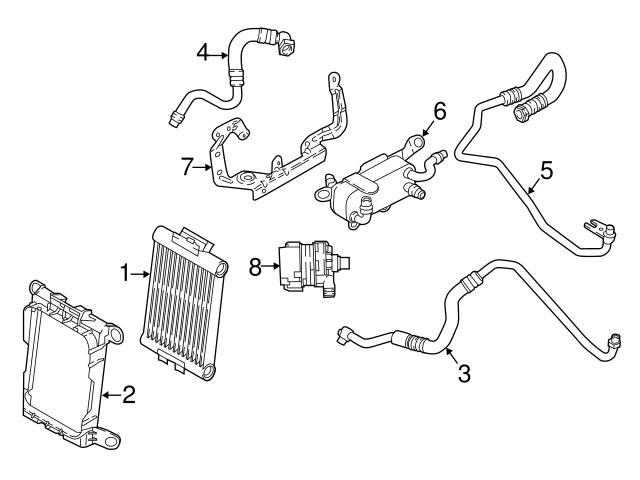

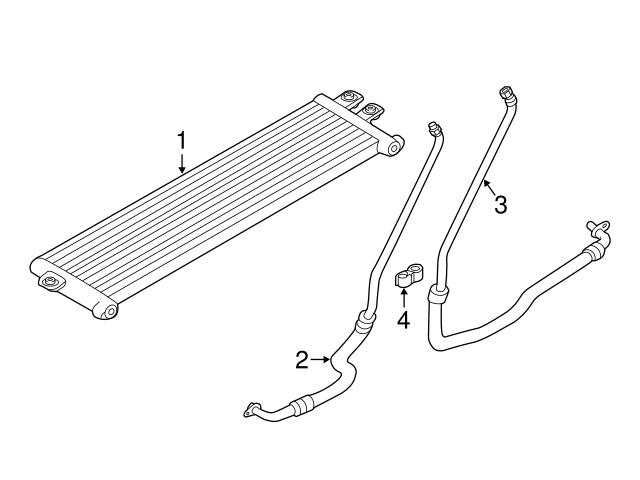
Based on industry averages you can expect to pay between $237.99 and $656.99 for a BMW M2 oil cooler.
What Are The Signs Of A Failing BMW M2 Oil Cooler?
Oil temperature creeping higher than usual is one of the first things you might notice. Sometimes, a small oil leak appears where the cooler or its lines connect. If the scent of burning oil sneaks through the air vents, it’s not something to ignore. Watch for the dashboard oil temperature gauge edging toward the red, especially after long or spirited drives. A look under the hood could reveal oily patches or damp spots around the cooler. Some drivers even get a check engine light, as the car senses the odd readings. It’s best not to let these signs linger, since the BMW M2 oil cooler shields your engine from much bigger trouble.
How Often Should The BMW M2 Oil Cooler Be Replaced Or Serviced?
There’s no single schedule for every driver, but most mechanics suggest a solid inspection of the BMW M2 oil cooler every 30,000 to 40,000 miles. If you track your M2, or love hard backroad drives, more frequent checks can’t hurt. Sometimes, your local weather plays a part too—salty roads and harsh winters wear things out faster. Keep an eye out during oil changes, even between major services. A quick look for damage, leaks, or buildup can point out issues before they cost you. Though the BMW M2 oil cooler holds up well, caution never goes out of style.
What Causes The BMW M2 Oil Cooler To Fail?
A rogue stone kicked up by traffic. Corrosion from wet, salty pavement. Wear on rubber seals from age or heat. These are just a few things that whittle down an oil cooler over time. Some coolers get clogged inside by old, dirty oil or metal flakes from past repairs. Aggressive driving heats the system, pushing every part to its limit. Even something simple like ignoring a leak or split hose lets problems build up. Left unchecked, these small things can add up to bigger headaches, making the BMW M2 oil cooler an unsung hero worth a periodic glance.
Is Upgrading The BMW M2 Oil Cooler Necessary For Track Use?
For weekend cruises, the stock cooler does the job. But if you’re out there chasing lap times, stock sometimes isn’t enough. Long sessions build heat that overwhelms the stock setup. Many M2 owners find peace of mind—and stable oil temps—after fitting a bigger, more efficient cooler. It usually means thicker cores and more airflow, which keeps performance steady during hard use. Some drivers skip the upgrade and watch numbers, but for heavy track work, swapping in a performance BMW M2 oil cooler is a move that pays off.
What Are The Best Practices For Maintaining The BMW M2 Oil Cooler?
Start with a quick inspection. Are there any signs of oil leaking, sticky residue, or bent fins? Clear leaves and road grime out of the cooling fins when you get the chance. Use a soft brush or gentle air, not a hose on full blast; it’s easy to flatten fragile fins. Stick with clean, high-grade oil—old sludge speeds up problems. Glance at the hoses and fittings every oil change, checking for cracks or corrosion. Regular, small steps beat scrambling to fix bigger failures. In the end, a cared-for BMW M2 oil cooler keeps your engine safer and your drives worry-free.
Why Shop For Your BMW M2 Oil Cooler At AutohausAZ?
AutohausAZ makes it simple. Fast shipping keeps your car off the jack stands, and pricing stays reasonable without weird markups. If the part doesn’t fit or meet your needs, exchanging or returning it isn’t a pain. You want the right part, quickly, without headaches—and that’s what you’ll find here.