
BMW M3 Flywheel Parts
Showing 5 out of 5 part(s) found in our catalog.
Brand
Keyword
Subcategory
Mon-Fri 8-4 MST/PST (Arizona Time)

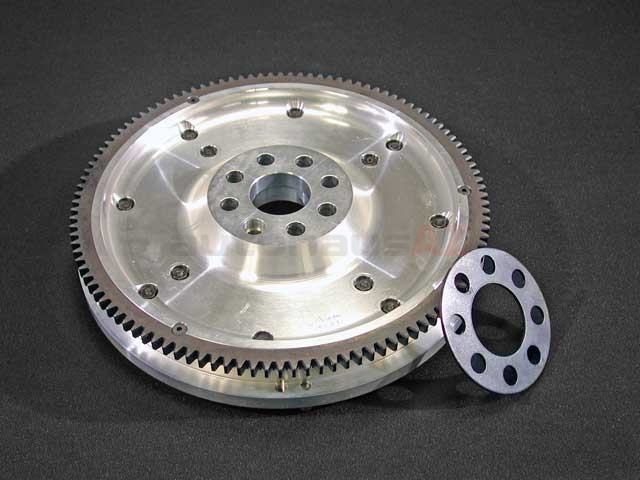


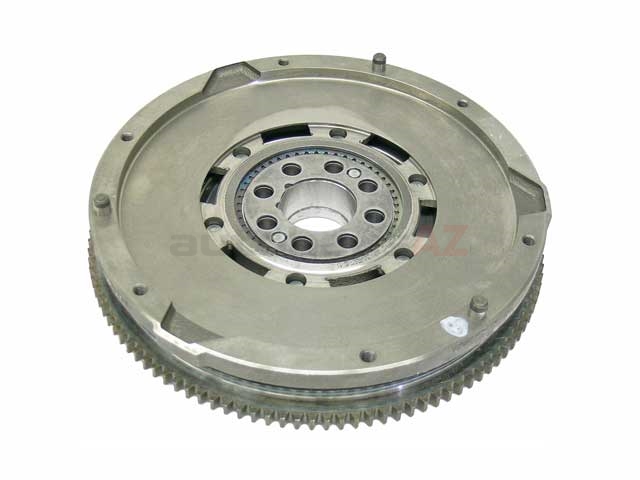
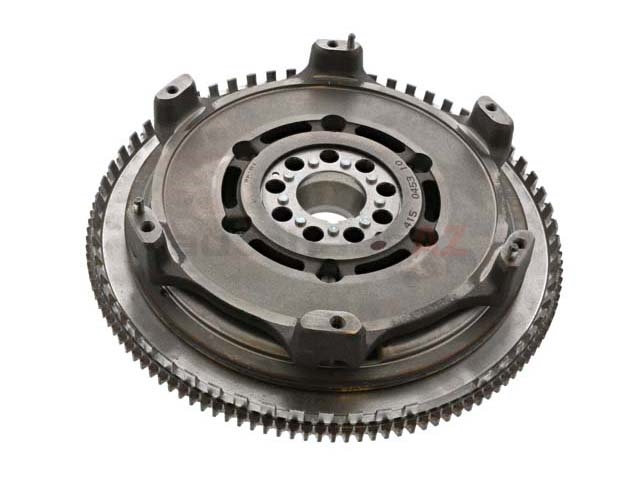
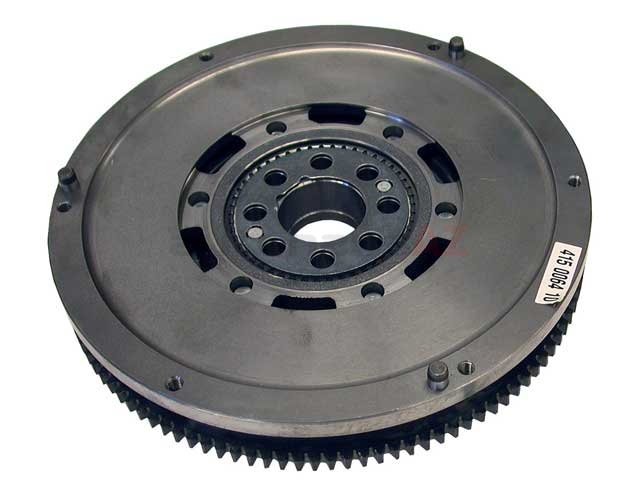
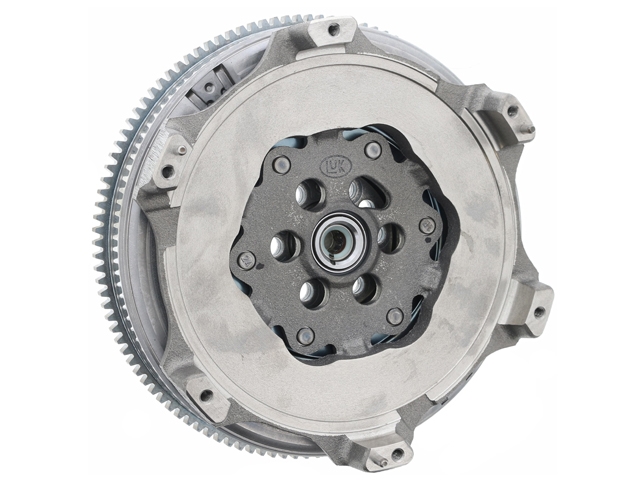
The average cost of a BMW M3 flywheel is between $434.99 and $1590.99.
How Do I Know When My BMW M3 Flywheel Needs Replacing?
You start feeling rough vibration under your feet. Clutch engagement gets weird. Sometimes it sounds metallic, like something’s loose or scraping when you press the pedal. Shifting between gears might get tougher, especially if the car’s cold. Burnt smells hit you from under the hood, and it doesn’t go away even when you take it easy. Your mechanic could spot blue discoloration, heat marks, or small cracks. In late models, extra play in a dual-mass flywheel often shows up as rattling or more clutch wear than normal. If these signs pop up, waiting it out invites bigger trouble: think clutch failure or even transmission damage.
What Is The Difference Between A Dual-Mass And Single-Mass BMW M3 Flywheel?
BMW M3s from recent years usually come with a dual-mass flywheel. This setup softens vibration and keeps highway driving calm. Single-mass flywheels are lighter and tough, letting the engine spin up faster. People often swap these in for sharper throttle response or for track days. Going lighter can add some noise at idle and bring mild shuddering in slow traffic. You get more direct feedback, but it can get tiring on regular commutes. The right choice often comes down to what you want out of the car—smooth comfort or raw feel.
How Much Does It Typically Cost To Replace A BMW M3 Flywheel?
Expect to spend a good chunk of change. Flywheel parts run from $500 to over $1,000. Labor pushes the total from $1,200 up to $2,500, depending on where you go. Dealerships tend to sit at the top end of the range. Since the transmission comes out for this job, most people replace the clutch and even related bushings at the same time. It cuts future costs if you keep the car. Always budget with both parts and labor in mind, since skipping the clutch just means you pay for labor twice.
Can A Lightweight BMW M3 Flywheel Cause Problems?
Yes, it can. Lighter flywheels let the engine spin quickly, which sounds great until city traffic comes up. Some owners report rattling sounds at idle, hard takeoffs, or the car stalling more easily at low speeds. On a track, it feels like the car wants to rev, and downshifts get a little snappier. For daily use, though, some find the quirks annoying. It’s worth thinking about your real-world driving needs before making the switch.
What Are The Signs Of A Failing BMW M3 Flywheel?
Noises stand out first. Rattles, grinding, or odd vibrations through the pedal. Shaky clutch engagement or hard shifts crop up next. The clutch might slip, meaning RPMs rise but the car doesn’t pick up speed as expected. A burnt smell or black dust inside the bellhousing is a red flag once the part is removed. When inspected, you might see cracks or blue heat spots on the flywheel. Ignoring these signs puts the clutch and transmission at risk.
Why Buy Your BMW M3 Flywheel From Us?
We get it—when you need a BMW M3 flywheel, you don’t want long waits or high prices. That’s why we keep a solid inventory and pass along real savings. You order, and it ships fast, so your car spends the least time off the road. If something’s not right, our returns are hassle-free. Whether you’re a veteran mechanic or new to the game, we back up every sale with support and a solid guarantee. You want parts that work, prices that make sense, and a team that helps out when you need it. That’s what you get with us.