

Porsche 924 Coolant Hose Parts
Showing 6 out of 6 part(s) found in our catalog.
Brand
Keyword
Category
Select category below to view parts.
Mon-Fri 8-4 MST/PST (Arizona Time)

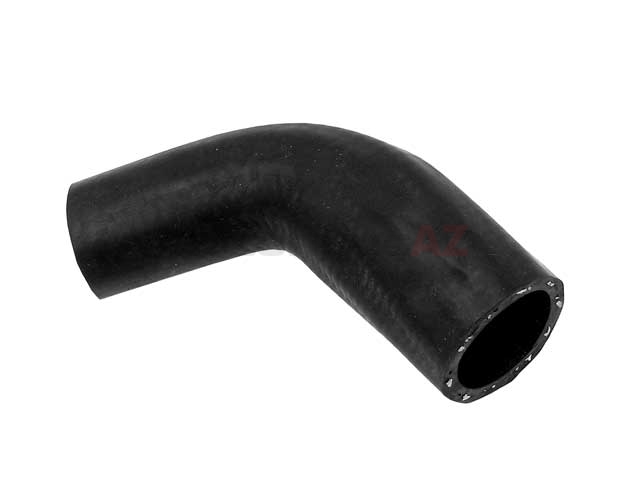



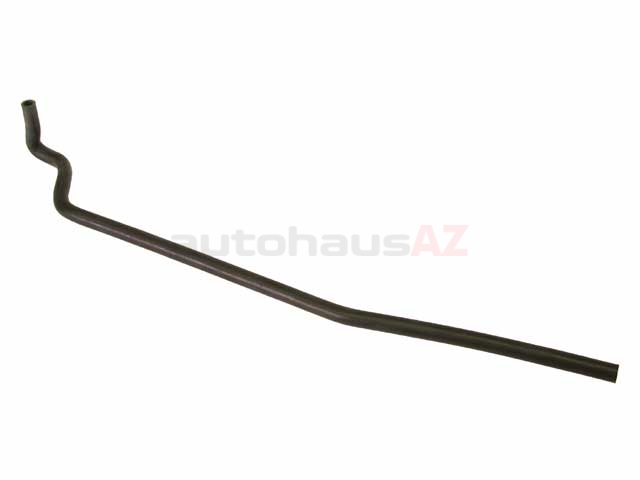
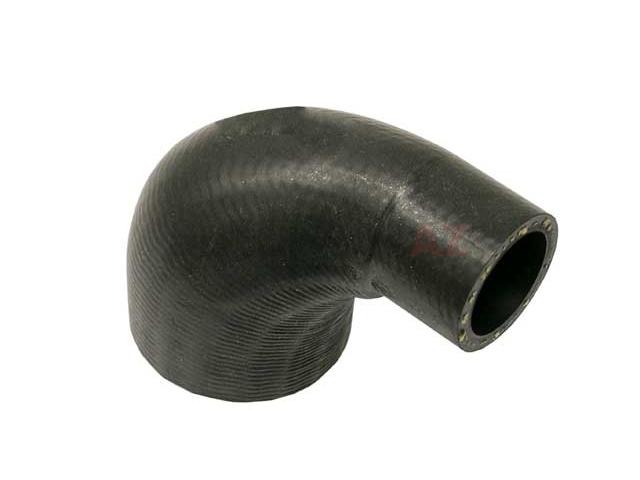
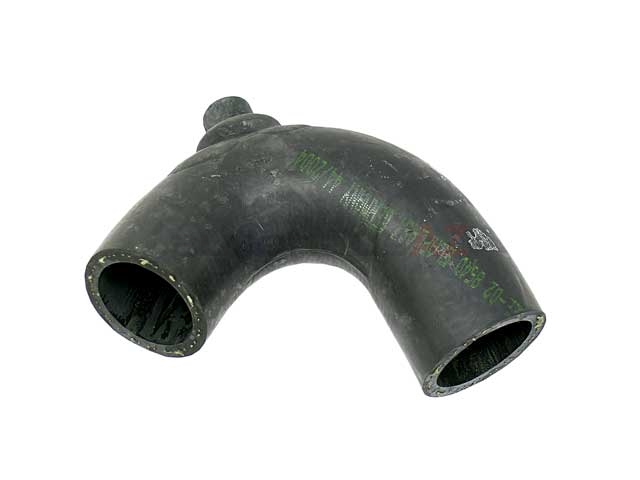
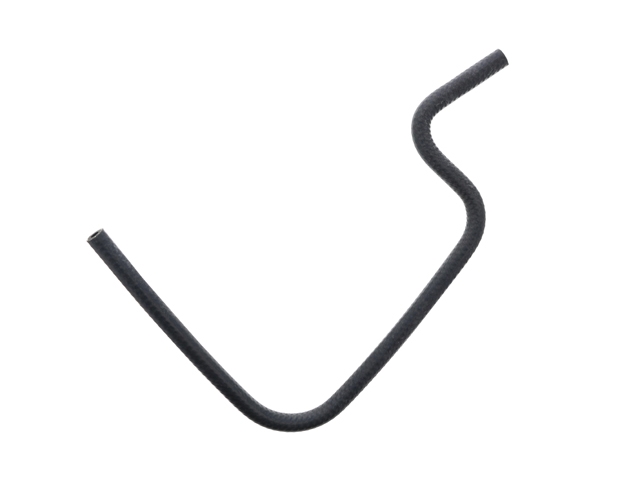
The average price of a Porsche 924 coolant hose is between $2.99 and $77.99.
What Size Is The Correct Porsche 924 Coolant Hose For Replacement?
Replacing a Porsche 924 coolant hose usually starts with figuring out the proper size. The original hoses have a specific inner diameter, often around 32mm for the upper radiator hose and roughly 28mm for the lower, though checking your car is best since models can vary. Length matters too—hoses should reach their connections without stretching. Bringing the old part to the counter saves a lot of time and confusion. New hoses should slide onto fittings without forcing, and the same goes for clamps. If there’s a rough edge left behind, smooth it out before installing the new hose. Pick a hose made for heat and pressure, which helps the old Porsche run cool.
How Can I Tell If My Porsche 924 Coolant Hose Needs Replacing?
Signs a Porsche 924 coolant hose needs a swap are pretty easy to spot if you look closely. Start by running a hand along the hose while it’s cold. If it feels gummy or too stiff, that’s a problem. Any cracks along the surface or near the clamp ends mean the rubber’s done its job and should be replaced. Watch out for bulges, which look like swollen spots—it usually means the hose’s inner layers are failing. White residue and dried coolant streaks show tiny leaks. Even a faint whiff of sweet antifreeze under the hood can be a warning. Deal with these bits early, since hoses love to give up at the worst possible time.
Is There A Difference Between Aftermarket And OEM Porsche 924 Coolant Hose?
There are clear differences between OEM and aftermarket Porsche 924 coolant hose parts. OEM fits like the original and keeps that factory look, which matters if details count to you. Aftermarket options often bring updated materials, like silicone, that handle higher temps or last longer. Some need different clamps or might be a touch off in length or diameter, so measure before you buy. Cost also splits the two: OEM hoses tend to cost more, while aftermarket can keep the budget happy if quality checks out. If you want the exact look and fit, go for OEM. If durability or price is more important, good aftermarket hoses do the job.
What Is The Correct Way To Install A Porsche 924 Coolant Hose?
Start by letting the engine cool and draining the coolant. Pull off the old hose and give those fittings a thorough wipe—rust or old gunk left behind can cause problems. Slide the new hose into place, lining up the ends, and make sure there’s no twisting or pinching. Tighten the clamps enough to hold but don’t go wild or you’ll cut into the rubber. Fill the radiator with fresh coolant, start the car, and keep an eye under the hood. Look for any drips and watch the temp gauge as the engine warms up. Top off the coolant as air works its way out. Slow and careful wins here—a little patience saves chasing leaks or overheat scares.
How Often Should The Porsche 924 Coolant Hose Be Replaced?
For any older Porsche, replacing the Porsche 924 coolant hose on schedule pays off. Most owners follow a five-year or 60,000-mile timeline. Age matters. Even if the hose looks fine, the rubber breaks down from the inside. Storing the car in dry climates or running it hot calls for more frequent checks—sun and heat crack hoses faster than you’d think. If you notice soft spots or seepage, don’t wait. Hoses are cheap compared to engine work. Build the swap into your regular tune-up rhythm, especially if you plan any long drives.
How Can You Find The Right Porsche 924 Coolant Hose Easily?
Ordering a Porsche 924 coolant hose can be quick if you stick with trusted sellers. Pick a site with good part diagrams and a way to cross-check your VIN or model year. Some places ship fast and offer hassle-free returns, so you won’t get stuck with the wrong part. Look for customer reviews about fit and durability, since firsthand experience goes a long way. When you find a hose that matches your specs, double-check the measurements against your old part. This saves time, returns, and a pile of frustration.