
Porsche 928 Clutch Slave Cylinder Parts
Showing 1 out of 1 part(s) found in our catalog.
Brand
Keyword
Subcategory
Mon-Fri 8-4 MST/PST (Arizona Time)

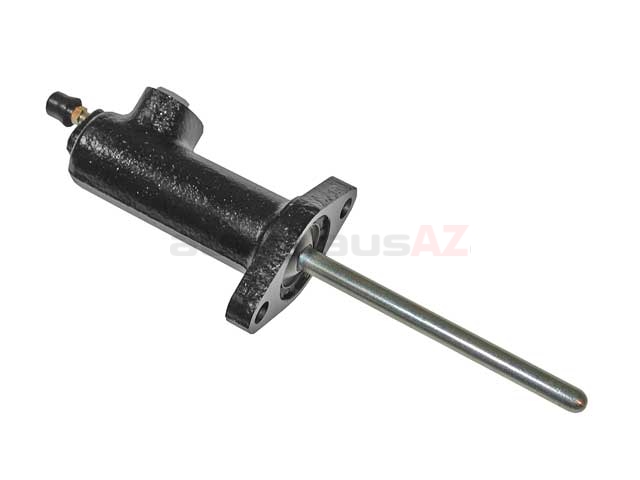


Porsche 928 clutch slave cylinder typically cost between $85.99 and $85.99.
What Are Common Signs Of A Failing Porsche 928 Clutch Slave Cylinder?
When the Porsche 928 clutch slave cylinder starts to fail, most drivers first notice a clutch pedal that feels soft, mushy, or sometimes drops to the floor. Shifting gears might develop a gritty or resistant feel. If you spot a patch of oily brake fluid below the transmission or around the bellhousing, that’s a telling sign as well. The clutch may not disengage, leading to grinding gears or stubborn shifting. Some owners see the fluid level in the reservoir drop with no visible drips until a closer look confirms the leak. These issues rarely fix themselves and tend to get worse, so addressing them quickly is wise.
How Difficult Is It To Replace A Porsche 928 Clutch Slave Cylinder?
Swapping out a Porsche 928 clutch slave cylinder usually isn’t for first-timers, but it’s not out of reach if you have some tools and patience. Access is tight under the car since the cylinder sits near the bellhousing. Often, you’ll need to work around hot exhaust pieces or even remove them for clear space. Jack stands or a lift are necessary for safety. Fasteners can seize, so a line wrench and a calm hand help a lot. Bleeding the system adds another layer of patience, making sure every bubble escapes for a firm pedal. Some home mechanics handle it over a weekend, while others let a shop handle the job for peace of mind.
What Causes The Porsche 928 Clutch Slave Cylinder To Fail?
Age is the main culprit for a Porsche 928 clutch slave cylinder going bad. Seals get brittle, especially as brake fluid draws in moisture over years of use. That moisture pits the bore, damages seals, and leaves behind dark, gritty fluid that shortens cylinder life. Heat rising from the engine and exhaust isn’t kind to rubber parts either. Long gaps between fluid changes and no garage time speed up wear, especially on higher-mileage cars. When seals finally give in, leaks begin, and the cylinder often follows suit not long after.
Is It Necessary To Replace The Master Cylinder When Changing The Porsche 928 Clutch Slave Cylinder?
You don’t always have to change the master cylinder with the Porsche 928 clutch slave cylinder, but it’s smart to check it closely. If the slave failed due to old age or contaminated fluid, the master could be on borrowed time. Doing both at once saves on brake bleeding and doubles your chances of fixing the issue for good. If you see fluid under the dash, the clutch pedal drops suddenly, or the master shows signs of seepage, replace both. Skipping the master only to revisit the job a month later is never fun.
How Should The Porsche 928 Clutch Slave Cylinder Be Bled After Replacement?
To bleed the Porsche 928 clutch slave cylinder, you need to keep air out and clean fluid moving through. One person pumps the pedal while the other cracks open the bleeder screw at the slave, catching fluid until bubbles stop showing. Keep the reservoir topped off the entire time—let it run low and you’ll be repeating yourself. Gravity or a vacuum bleeder can help if you’re working solo. Patience matters most here; rushed work almost always ends with a spongy clutch feel and another round with the wrenches. When the pedal feels strong, call it done.
Why Buy Your Porsche 928 Clutch Slave Cylinder From AutohausAZ?
Ordering your Porsche 928 clutch slave cylinder from AutohausAZ means both value and reliability. You’ll see fair prices right away, and they move shipments quickly, getting you back behind the wheel faster. If plans change, returns don’t turn into a headache. Owners count on these cars for more than just driving—they matter. At AutohausAZ, the focus stays on keeping your 928 running and the process simple, every time.