
Porsche 928 Knock Sensor Parts
Showing 2 out of 2 part(s) found in our catalog.
Brand
Keyword
Subcategory
Mon-Fri 8-4 MST/PST (Arizona Time)

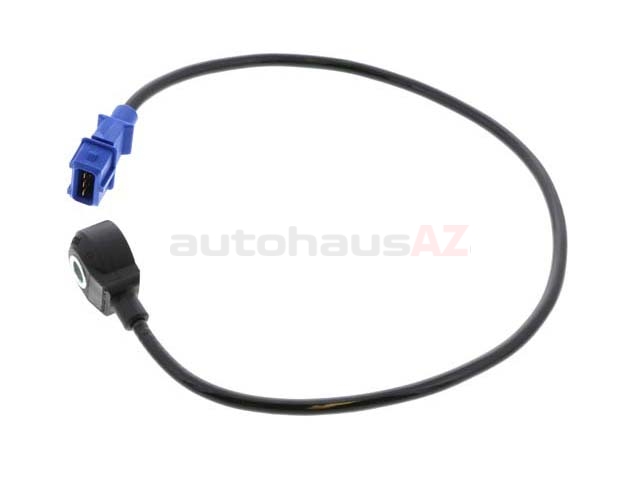


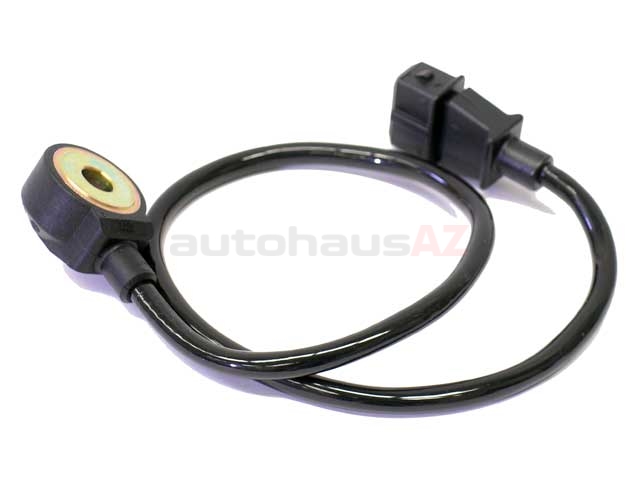
The average price of a Porsche 928 knock sensor is between $36.99 and $41.99.
What Is The Role Of The Porsche 928 Knock Sensor?
The Porsche 928 knock sensor keeps a close watch on what’s happening inside your engine. It listens for those sharp vibrations—engine “knocking”—that often mean combustion isn’t happening as it should. When it picks up these sounds, it gives the engine’s computer a heads-up. The computer then tweaks the ignition timing to stop the knocking and head off possible damage. With a bad sensor, the engine might run rougher, burn more fuel, or even wreck itself if things go unchecked.
What Are Common Symptoms Of A Failing Porsche 928 Knock Sensor?
If your Porsche 928 knock sensor starts failing, problems tend to pile up. The engine can lose some of its zip—you notice sluggishness or dull acceleration. The check engine light might show up and stay on, signaling trouble. Sometimes you’ll hear pinging or metallic rattling sounds when you hit the gas. If things get worse, the car’s computer could dial back power to protect itself, leaving the whole drive feeling flat. Higher fuel use or a persistent warning light might be signs too.
How Do You Test The Porsche 928 Knock Sensor?
Testing a Porsche 928 knock sensor isn’t much of a guessing game. Mechanics prefer scan tools to read live data as the car idles or revs. You watch for odd spikes or codes that aren’t supposed to be there. Sometimes, the test involves a gentle tap along the block—the scan tool should catch a change in what the sensor reports. If nothing happens, you might be looking at a dead sensor or a wiring issue. Checking for cracked connectors or split wires helps too.
Where Is The Porsche 928 Knock Sensor Located?
The Porsche 928 knock sensor doesn’t sit out in the open. Most times, you’ll find it mounted on the engine block, hiding below the intake manifold or hugging the side near the heads. It has to be close enough to “hear” the engine’s inner knocks. Getting to it can be tricky—other engine bits may need to come off before you’ll even spot it. Exact placement can shift depending on the year and model, but it’s always strapped to the block somewhere out of easy reach.
How Difficult Is It To Replace The Porsche 928 Knock Sensor?
Swapping out a Porsche 928 knock sensor isn’t the hardest fix, but it isn’t a walk in the park either. Expect to pull apart some intake parts just to get to it. Simple hand tools usually do the job, but getting the wiring in and out might call for some patience. The right service manual helps a lot, especially for bolt patterns and torque specs. If you’re used to handling engine work, you can pull this off. If not, a mechanic familiar with these cars can get it back together right.
Looking For A Reliable Porsche 928 Knock Sensor?
When it’s time to swap the knock sensor on your 928, you want a place that knows these cars. At AutohausAZ, we keep things straightforward—quality parts, fair pricing, and support when you need it. You won’t pay a premium, and you won’t wait long for shipping. Returns are clean and simple if you need to send something back. Customer service is direct, no endless phone lines or confusing policies. Order your Porsche 928 knock sensor, keep that classic running strong, and get back to driving with zero drama. That’s how we like to do things—save you money, save you headaches, and help you enjoy the machine you love.