

Porsche 928 Timing Belt Tensioner Parts
Showing 1 out of 1 part(s) found in our catalog.
Brand
Keyword
Subcategory
Mon-Fri 8-4 MST/PST (Arizona Time)

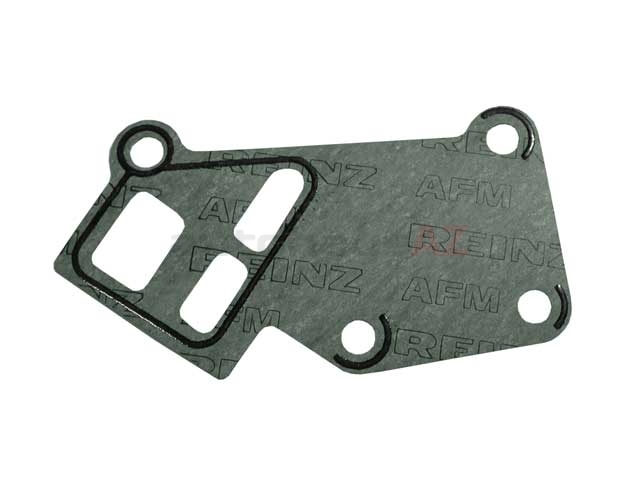


Based on industry averages you can expect to pay between $10.19 and $10.19 for a Porsche 928 timing belt tensioner.
How Do I Know If My Porsche 928 Timing Belt Tensioner Needs Replacement?
When your Porsche 928 timing belt tensioner starts to go, the car will let you know. You might notice a rattling or clicking sound near the front of the engine, especially when you first start it up. Sometimes, the belt itself looks wavy, or you see it riding slightly off-center on the pulleys. In a few cases, a check engine or warning light will show up. If you pop the hood and notice the belt seems loose, stretched, or there’s uneven wear, it’s likely the tensioner isn’t doing its job. Ignoring the signs can mean serious engine trouble. Watching and listening for changes every time you drive will go a long way, but if you’re not sure, have a mechanic with 928 experience take a look.
What Causes The Timing Belt Tensioner On My Porsche 928 To Fail?
A Porsche 928 timing belt tensioner wears out mainly because of time and mileage. The more you drive, the harder the parts have to work, and eventually, the spring or hydraulic systems inside start to lose their strength. Leaking oil or coolant dripping down from somewhere else under the hood can damage the tensioner much faster than normal. Poor installation, like setting the belt too tight or letting it run loose, also adds stress and shortens the tensioner’s life. Keeping up with regular service and catching leaks right away gives your tensioner a fighting chance.
How Often Should The Porsche 928 Timing Belt Tensioner Be Replaced?
Most Porsche experts recommend replacing the Porsche 928 timing belt tensioner along with the timing belt—usually every 45,000 to 60,000 miles, or about every five years, whichever comes first. Since both parts share the same workload and wear out together, it doesn’t make sense to do one and not the other. If you don’t know the service history or just bought the car, have both items inspected or changed. It’s cheap insurance for your engine.
Can I Adjust The Timing Belt Tension On My Porsche 928 Without Special Tools?
Trying to adjust a Porsche 928 timing belt tensioner by feel isn’t recommended. These engines require precision, and getting the tension just right really needs a special tool, like a tension gauge. If you guess, you might end up with a belt that’s too loose, which can skip teeth, or too tight, which can stress engine parts. The right tools are easy enough to rent, and a local shop familiar with 928s can do the job if you’re not set up at home. It’s not worth the risk to cut corners here.
What Are The Signs Of A Bad Timing Belt Tensioner On A Porsche 928?
If your Porsche 928 timing belt tensioner is on its way out, you might hear a squeal, chirp, or even a knocking noise from under the timing cover. Belt slips, visible damage, or leaking fluid around the tensioner are other warning signs. Sometimes, you’ll spot the belt riding loose or slack, and your engine might run rough, misfire, or not want to start if the belt jumps. Ignoring these early signs can wreck an engine that’s tough and expensive to fix. If you catch these problems, act fast and you’ll save yourself a headache and a big repair bill.
Where Can You Find Affordable Porsche 928 Timing Belt Tensioners?
Finding a replacement Porsche 928 timing belt tensioner doesn’t have to break your budget. At AutohausAZ, you’ll find fair prices and discounts on parts for classic models like the 928. They ship quickly and make the process of returns or exchanges simple if you ever need it. When your projects call for quality and value, they have what you need to keep your Porsche running strong.