
VW Beetle Oil Cooler Parts
Showing 13 out of 13 part(s) found in our catalog.
Brand
Keyword
Subcategory
Mon-Fri 8-4 MST/PST (Arizona Time)



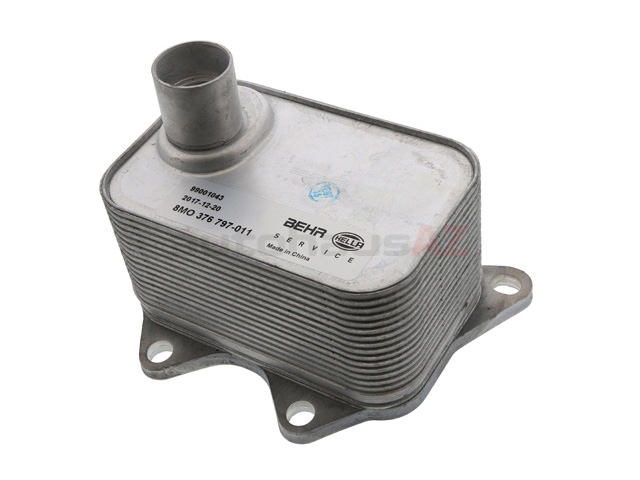
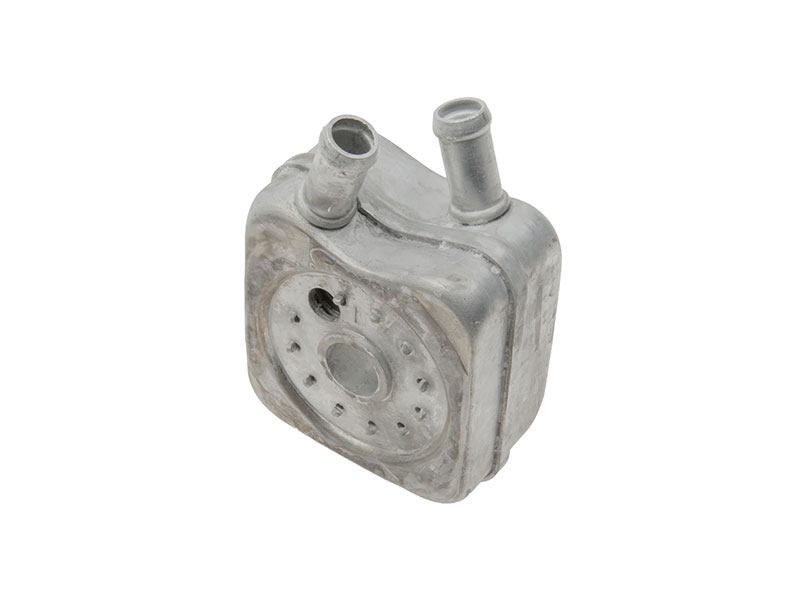

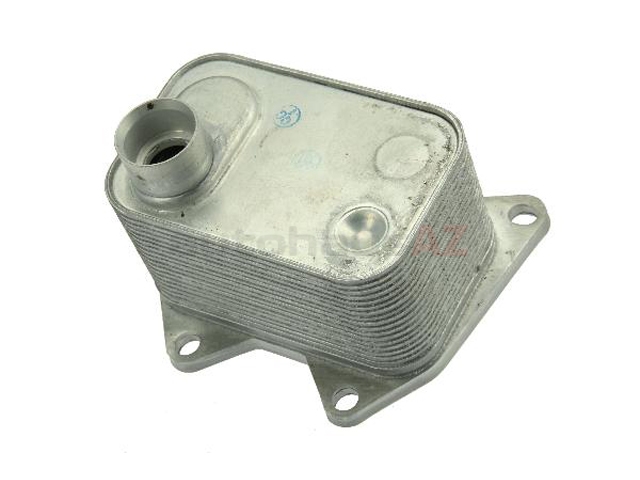
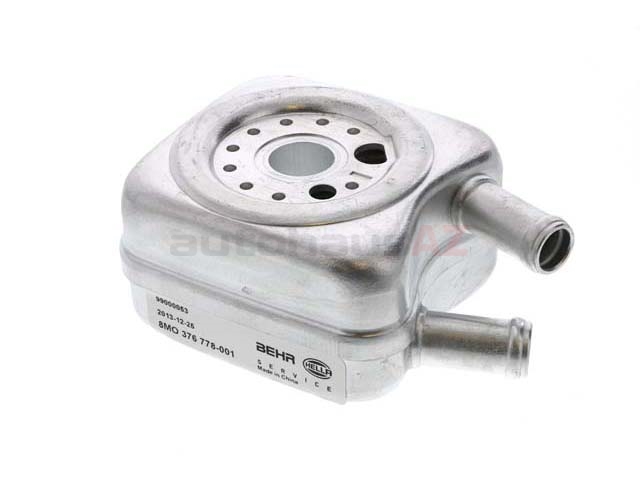
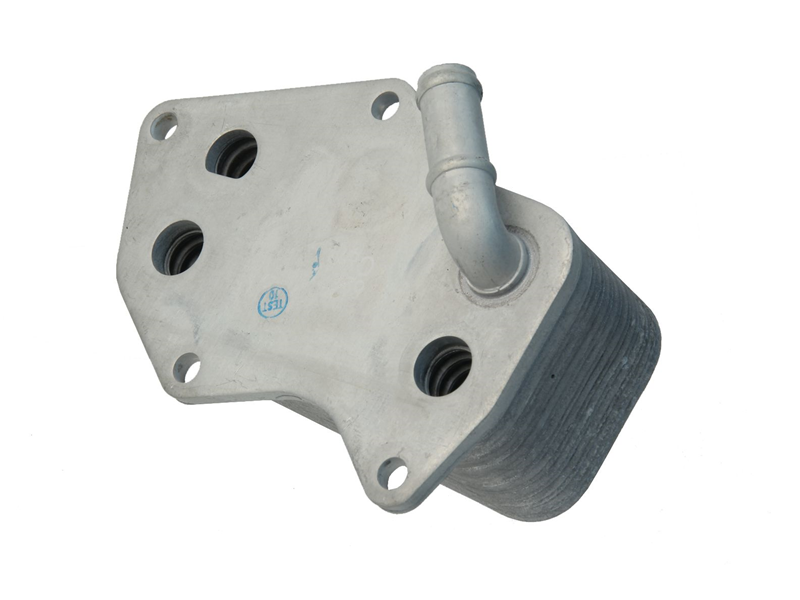
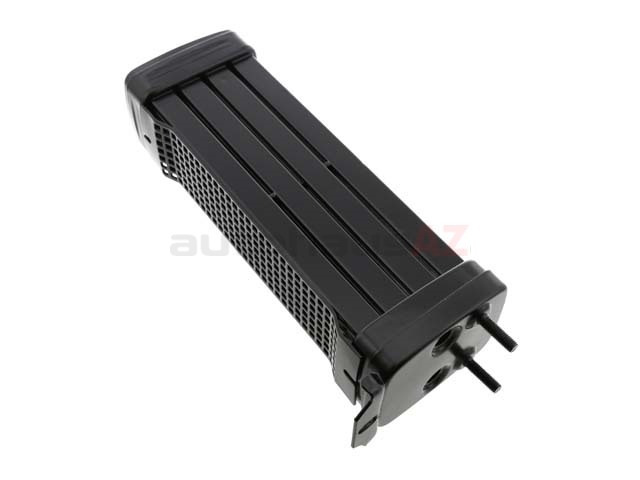
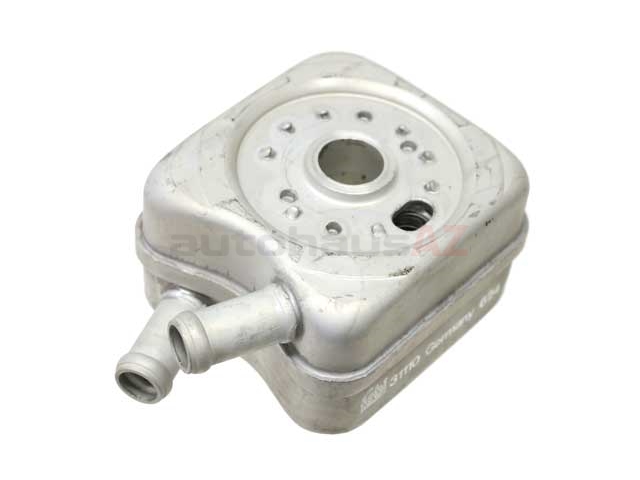
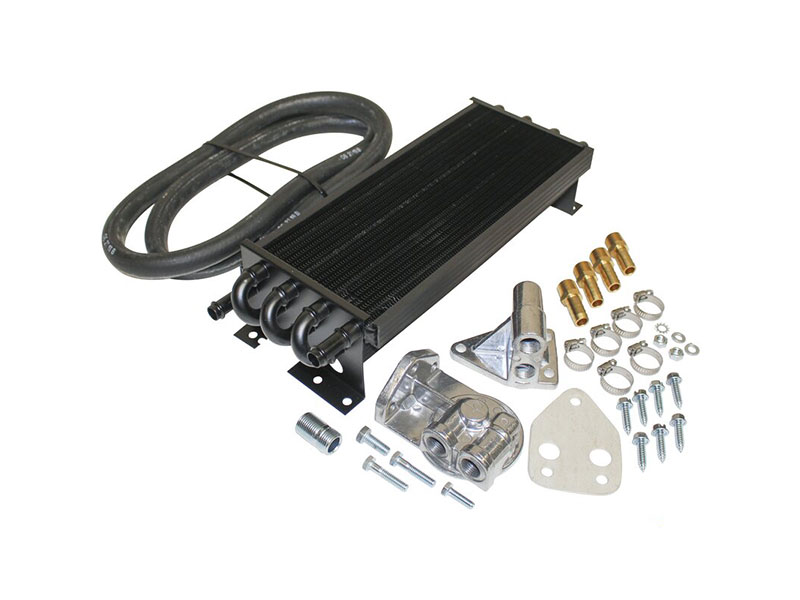

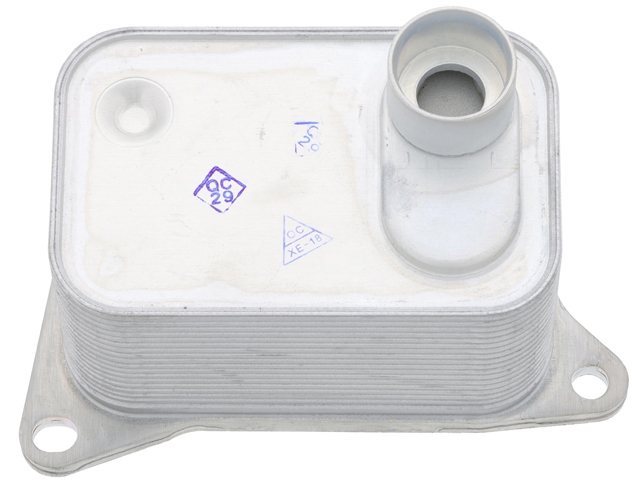

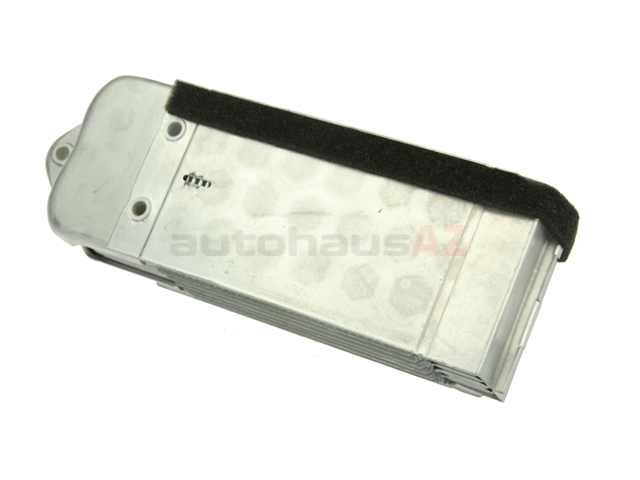
The average cost of a VW Beetle oil cooler is between $41.99 and $115.99.
What Are Common Signs Of A Failing VW Beetle Oil Cooler?
Oil coolers don’t usually call attention to themselves—until they do. For a VW Beetle, leaks top the list. You might see dark oil drips on your driveway, or spot a sticky residue near engine parts. Sometimes there’s a sweet, burnt smell hanging in the air, hinting at coolant escaping and sizzling away. Watch for cloudy sludge in the coolant reservoir or oil cap—when oil and coolant mix, it’s a red flag. The temperature gauge may spike with no obvious leak in sight. If any of this shows up, don’t ignore it. This is how small issues become big, expensive problems.
How Do I Replace A VW Beetle Oil Cooler?
Start by parking your Beetle on level ground, letting it cool until nothing under the hood feels hotter than your hand. Disconnect the battery. Drain the coolant from the radiator—an old towel comes in handy here. Remove anything in the way, like the air filter housing or engine covers. Find the oil cooler, it usually sits near the oil filter. Loosen and pull off the hoses, catching any drips with a pan. Unscrew the cooler and peel away what’s left of the gasket. Clean the area. Fit the new gasket, then the new cooler, tightening bolts by hand, then snug with a wrench. Reconnect hoses, fill up with fresh coolant, and fire up the engine. Look for leaks, listen for odd noises, check the temp gauge. If something feels off, don’t guess—look it up or phone a trusted mechanic.
Why Is My VW Beetle Overheating After Oil Cooler Replacement?
This issue pops up more than owners expect. Maybe the cooling system still has pockets of trapped air, choking off flow. Always “bleed” the system after topping up coolant—it’s a must. Sometimes old hoses split when handled, causing hidden leaks. Check hose clamps for tightness. Using the wrong oil cooler or a faulty new one is rare, but not impossible. If your Beetle still overheats, pressure-test the system. Don’t overlook small problems—a missing gasket or hairline crack can ruin your day and the engine.
How Often Should The VW Beetle Oil Cooler Be Serviced Or Replaced?
Most oil coolers go the distance, lasting well over 100,000 miles if the coolant and oil are kept fresh. There’s no set service interval, but don’t take chances. At every major service—around every 30,000 miles—give the cooler a close look for rust, leaks, or bulging hoses. If you spot oil in your coolant or a milky film on the cap, check the cooler immediately. Quick inspections during oil changes and routine coolant flushes help stop trouble before it starts.
What Causes A VW Beetle Oil Cooler To Fail?
Corrosion is the silent killer here, especially when coolant changes get skipped. Bad coolant eats away at metal from the inside. Road rocks or curb hits can crush fins or puncture the housing. Clogs from old oil or engine debris block flow, causing overheating. Once in a while, a bad install—wrong gasket, overtightened bolts—leads to cracks or leaks. The rest comes down to time and heat cycling, slowly wearing out the seals and materials, sometimes with no warning.
How Can You Save On VW Beetle Oil Coolers?
If you want to save some cash on a replacement cooler, take a look at suppliers like AutohausAZ. They offer quality parts for less, and their shipping is fast. If you get the wrong part, sending it back isn’t a hassle. It’s tough to drive with confidence when you’re worried about prices or delivery times, so finding a dealer who gets that only helps.