
VW Golf Brake Master Cylinder Parts
Showing 4 out of 4 part(s) found in our catalog.
Brand
Keyword
Subcategory
Mon-Fri 8-4 MST/PST (Arizona Time)

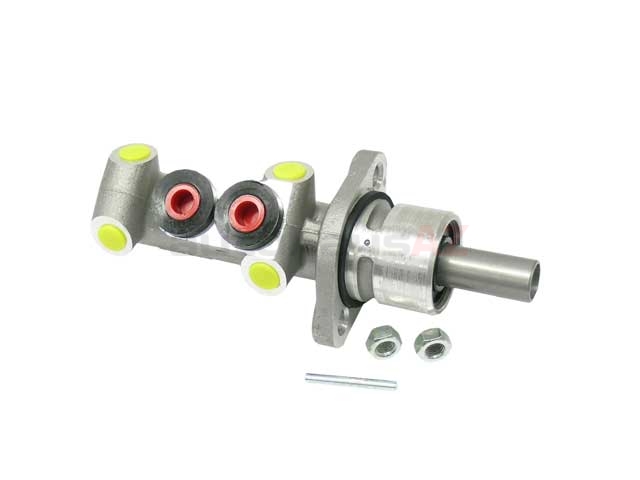


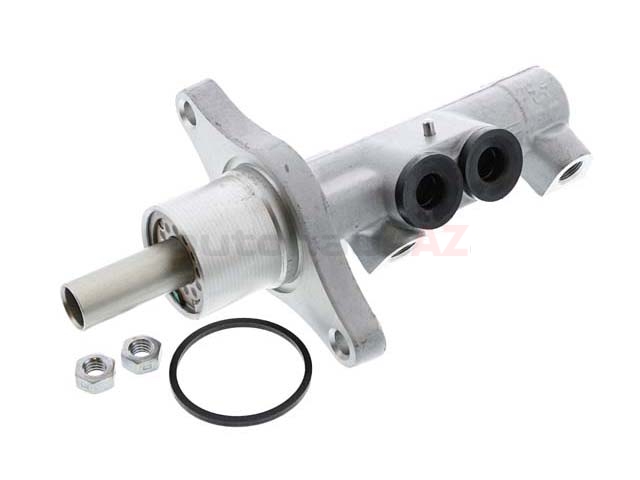


The average cost of a VW Golf brake master cylinder is between $56.99 and $164.99.
What Are Common Signs Of A Failing VW Golf Brake Master Cylinder?
If your VW Golf brake master cylinder is starting to go bad, some tell-tale signs usually start to show up. The brake pedal may feel soft or spongy, and sometimes it’ll sink slowly to the floor when you press it. You might spot brake fluid leaking under the hood or even near the brake pedal inside the car. Dashboard warning lights related to the braking system can also pop on unexpectedly. Another sign is inconsistent braking—maybe the car takes longer to stop, or the braking power seems to fade in and out. These symptoms typically become worse over time, so it’s best not to ignore them. Taking care of the problem early can help you avoid more serious issues and keep everyone in your car safe.
How Do You Bleed The VW Golf Brake Master Cylinder?
Bleeding the VW Golf brake master cylinder is pretty straightforward but does take a bit of patience. First, make sure the brake fluid reservoir is filled to the proper level. With a helper inside the car, loosen the bleed screw—either on the master cylinder itself or at each caliper, depending on the setup. As your helper gently presses the brake pedal, keep an eye on the fluid coming out; you’ll want to see the air bubbles go away before tightening the bleed screw. Keep topping up the fluid in the reservoir as you go so it doesn’t run dry. Move around to each wheel, starting with the one furthest from the master cylinder. Once all four corners are done, check the brake pedal for firmness. Sometimes it takes a second round if stubborn air is trapped. When finished, double-check the fluid level and clean up any spills.
What Causes a VW Golf Brake Master Cylinder to Fail?
The VW Golf brake master cylinder can wear out for a few main reasons. Over time, the rubber seals inside it gradually break down, usually due to age, heat, or dirt that gets into the brake fluid. If the brake fluid isn’t changed regularly, moisture can sneak in and cause rust or corrosion in the cylinder. Even just using the wrong type of brake fluid can speed up the damage. Sometimes, lots of heavy braking or stop-and-go traffic accelerates the wear. Once the seals can’t hold pressure anymore, leaks develop and the system loses effectiveness. A little maintenance goes a long way—regular fluid changes can help keep things in good shape for years.
Is It Difficult to Replace the VW Golf Brake Master Cylinder at Home?
Swapping out a VW Golf brake master cylinder at home isn’t out of the question if you’ve got some mechanical skills and the right tools. The steps are fairly basic: disconnect the battery, remove the old brake lines and mounting bolts, then replace the old cylinder with the new one. Be careful—brake fluid can damage paint, so have rags handy. After installing the new cylinder, it’s important to bleed the brakes to get any air out of the system. While the job isn’t the toughest around, it does take patience and attention to detail. If you’re comfortable following a service manual and have done basic car repairs before, you’ll probably do fine. If you’re not sure, it’s safer to have a professional handle it.
How Often Should the VW Golf Brake Master Cylinder Be Replaced?
There isn’t a set schedule for replacing the VW Golf brake master cylinder. Most will last a long time—often well over 100,000 miles—especially if you keep up with regular brake fluid changes. Usually, it’s only replaced if it starts to fail, so there’s no need to swap it just because your car hits a certain age or mileage. If you notice any of the earlier warning signs—soft pedal, leaks, inconsistent braking—that’s when to take a closer look. Good maintenance habits and prompt attention to any odd brake behavior can help your master cylinder last as long as possible. Checking it during routine brake service is a smart move too.
Looking for a VW Golf Brake Master Cylinder?
Shopping for a VW Golf brake master cylinder doesn’t need to be complicated. At AutohausAZ, we’ve got what you need—good prices, fast shipping, and a hassle-free return policy. When it’s time for a replacement, you can count on us to help you get your Golf’s brakes back in shape with as little stress as possible.