
VW Golf Mass Air Flow Sensor Parts
Showing 15 out of 15 part(s) found in our catalog.
Brand
Keyword
Subcategory
Mon-Fri 8-4 MST/PST (Arizona Time)

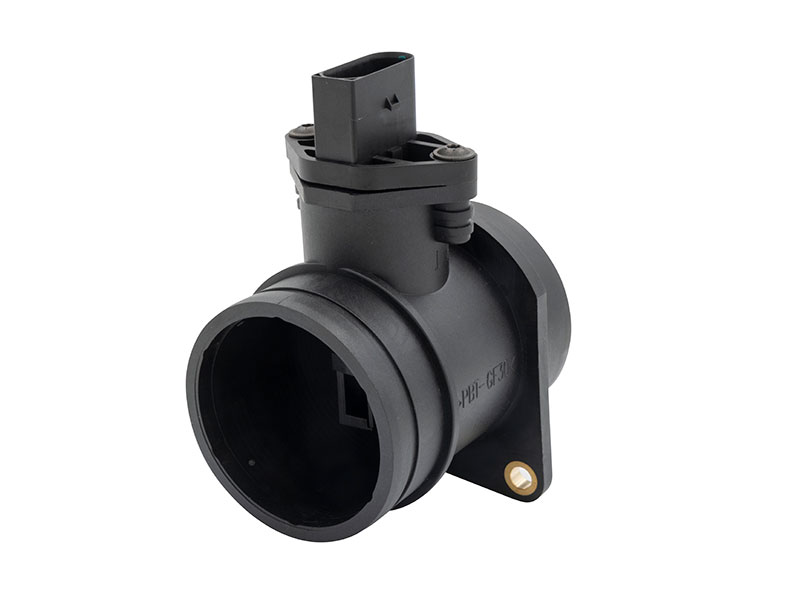



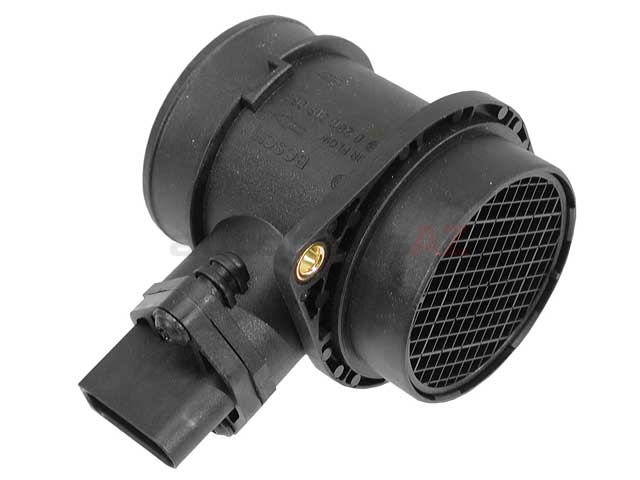
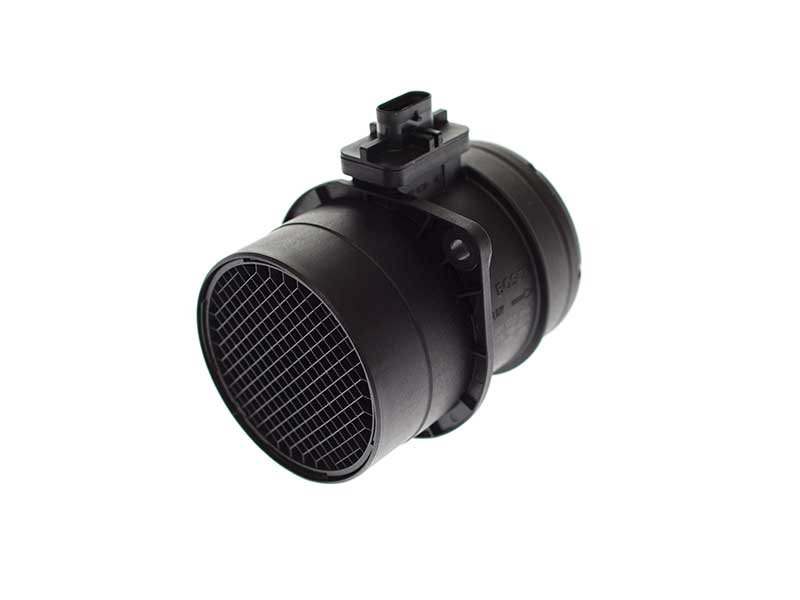
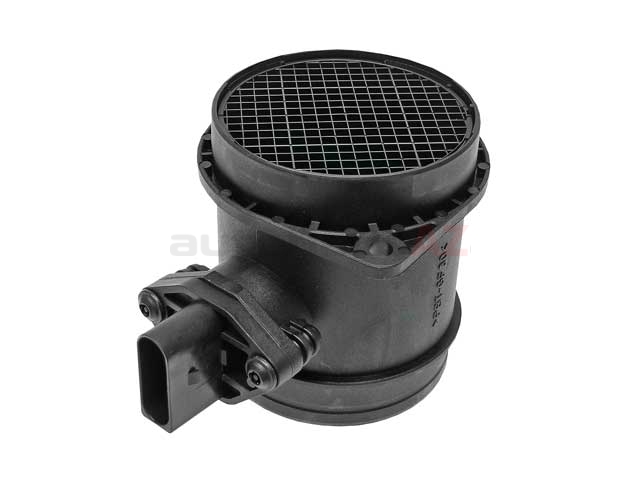

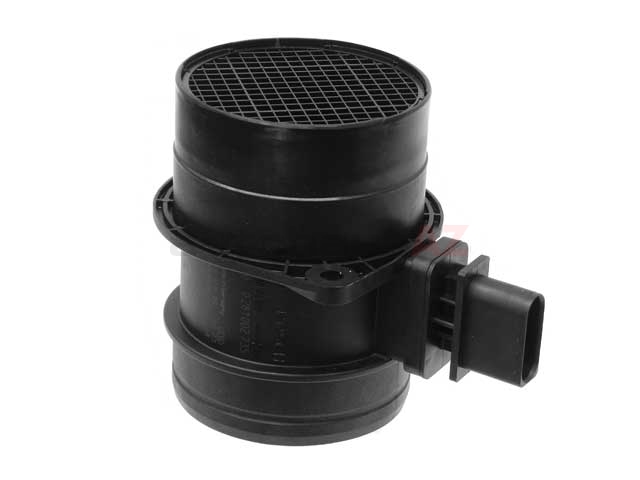
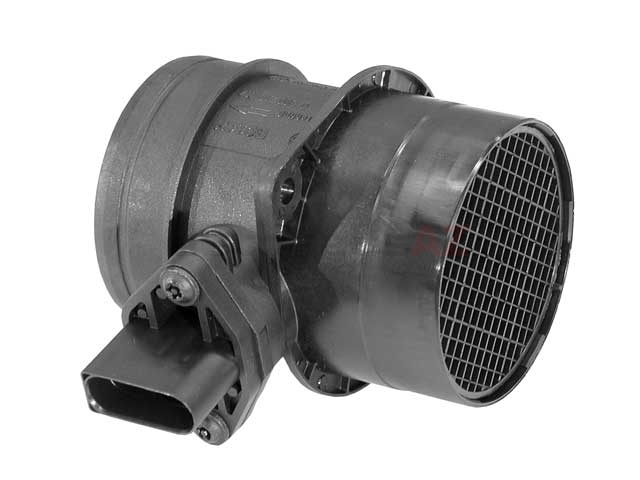
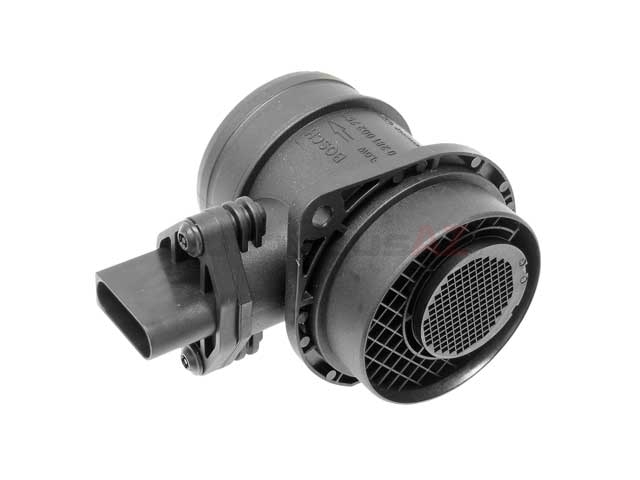
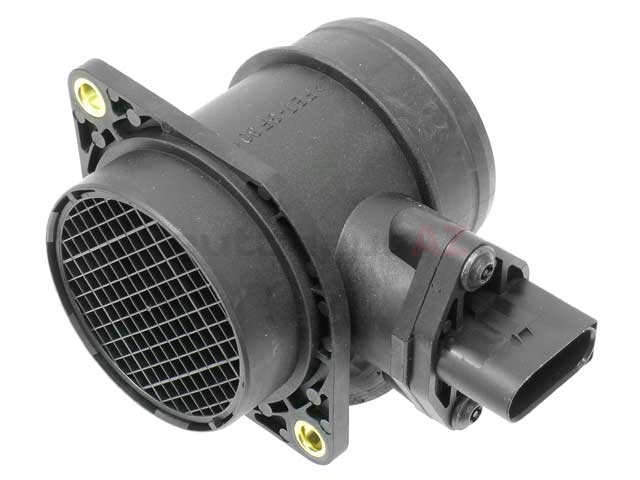
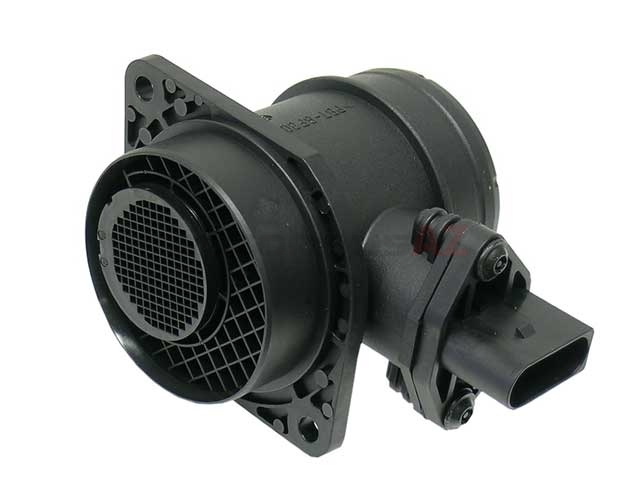
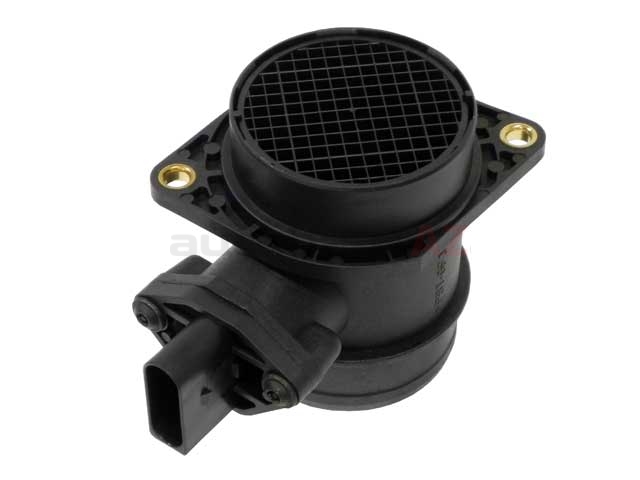
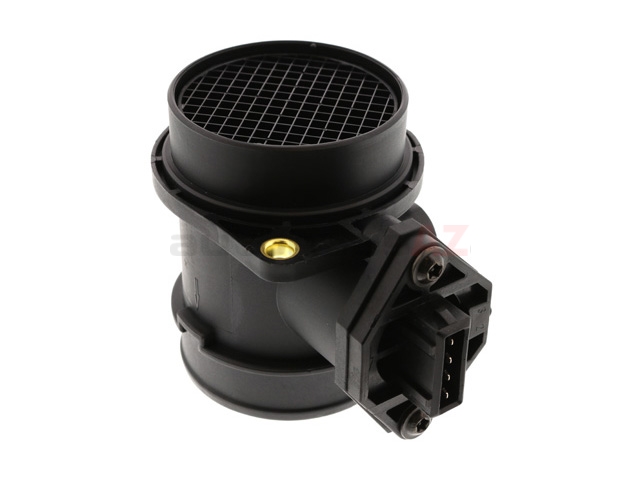
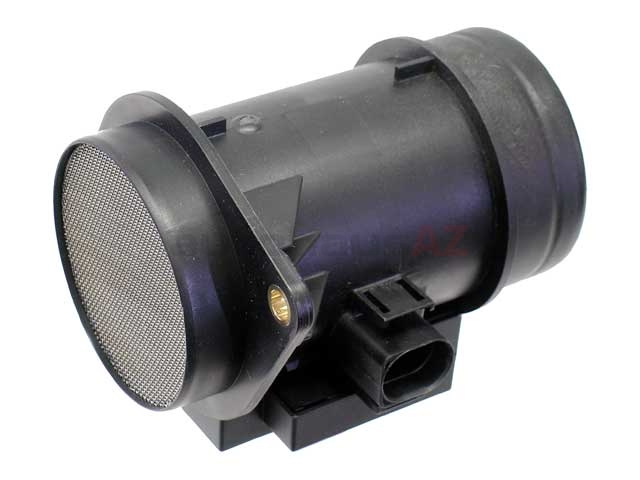
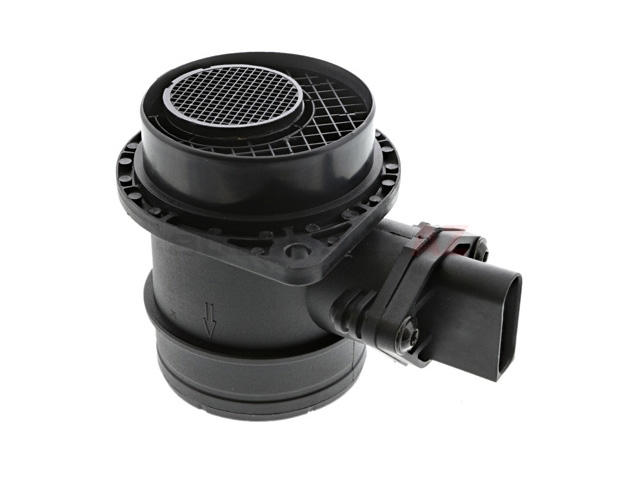
The average price of a VW Golf mass air flow sensor is between $26.99 and $192.99.
What Are The Symptoms Of A Failing VW Golf Mass Air Flow Sensor?
When a VW Golf mass air flow sensor starts to give out, you’ll spot some odd behaviors from your car. The engine might idle rough, or it could stumble when you try to pick up speed. That check engine light might glow without warning. Sometimes you’ll burn through gas faster than usual, even though your driving habits haven’t changed. A stubborn start or even an engine that stalls right after firing up—that’s not unusual with a bad sensor either. Trouble is, these signs often look like other issues under the hood, so it’s best to have a shop run a scan before you order parts. Leave a failing VW Golf mass air flow sensor unchecked for too long, and you’re asking for trouble somewhere else in the system.
How Do I Clean The VW Golf Mass Air Flow Sensor?
Cleaning your VW Golf mass air flow sensor doesn’t take much, but you’ll want to be gentle. Disconnect the electrical plug, then loosen the clamps holding the sensor in place. Take it out and grab a can of sensor-safe cleaner—don’t use carb or brake sprays. Spray down the wires or sensing elements, making sure you don’t let anything touch them. Set the part somewhere safe and let it dry on its own—no towels or air hoses. Once it’s bone-dry, put everything back together. A quick clean can sometimes solve hesitations and rough running, and it can save you the cost of a new VW Golf mass air flow sensor for a while.
Can I Drive With A Bad VW Golf Mass Air Flow Sensor?
Technically, you can drive with a faulty VW Golf mass air flow sensor, but it isn’t a good long-term move. Your car might still get you home, but expect weaker throttle response and lousy fuel economy. The computer will guess at air flow, which can make the engine run too rich or too lean. Sometimes that leads to bigger headaches down the road, like a fried catalytic converter or misfires. If you think the sensor is acting up, best to sort it out soon before minor trouble grows into a bigger repair bill.
How Do I Test The VW Golf Mass Air Flow Sensor?
You can test the VW Golf mass air flow sensor using a scan tool or a basic multimeter. With the engine running, watch the sensor’s live data—see if air flow numbers match what you’d expect at idle and when the revs climb. Too high, too low, or flat-out zero readings? That’s a red flag. You can also check sensor voltage at the connector. Odd numbers here might nail down the problem. Confirm with specs before you call the sensor dead. Good data beats just guessing and swapping parts.
Is It Difficult To Replace The VW Golf Mass Air Flow Sensor?
Changing the VW Golf mass air flow sensor isn’t daunting for most folks handy with tools. You’ll usually find it in the air intake, between the filter box and throttle body. Disconnect the wiring, loosen up the clamps, and pull the sensor out. Fit the new one in, making sure all seals and hoses are tight. Reconnect everything, clear any codes, and you’re good to go. Most of the time, the job’s done in well under an hour, even if you don’t wrench every weekend.
Where Can You Find Easy And Affordable VW Golf Mass Air Flow Sensor Shopping?
AutohausAZ has you covered when your VW Golf needs a new mass air flow sensor. The site is easy to use, prices are fair, and shipping’s quick. If you order the wrong item or don’t need it after all, returns are straightforward. You won’t lose time—and you won’t have to empty your wallet to get quality parts for your car.