
VW Golf Release Bearing Parts
Showing 5 out of 5 part(s) found in our catalog.
Brand
Keyword
Subcategory
Mon-Fri 8-4 MST/PST (Arizona Time)

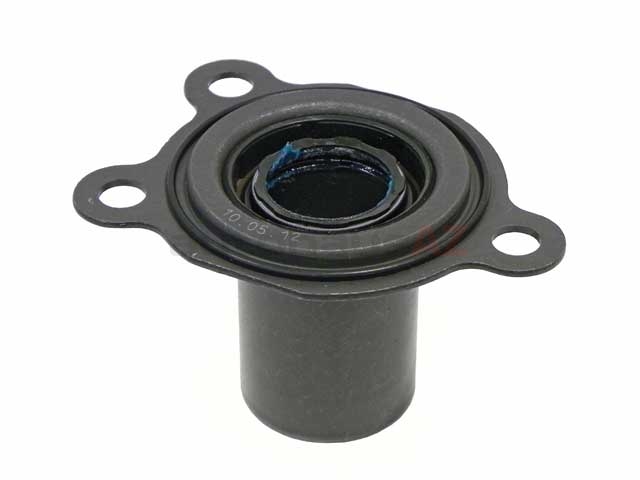


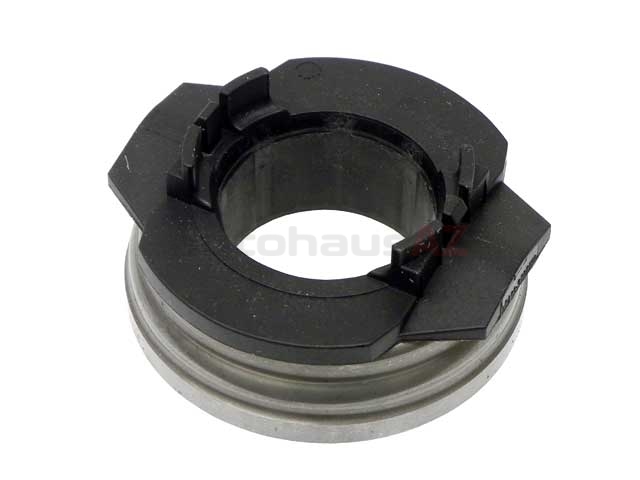

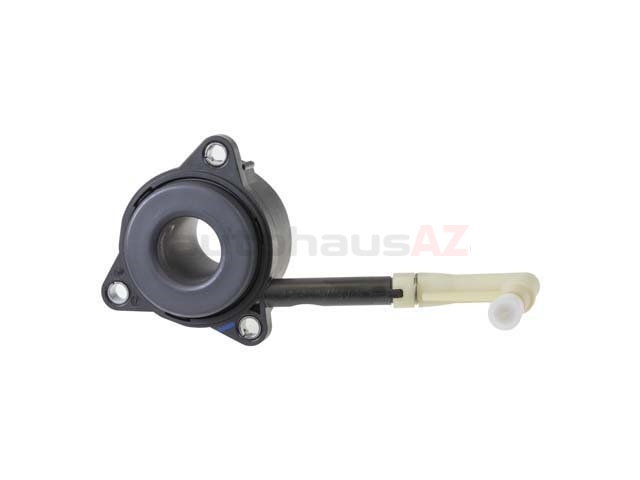
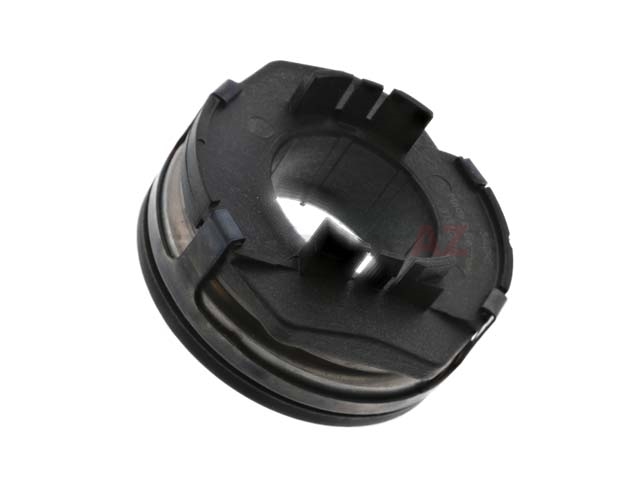
Based on industry averages you can expect to pay between $12.09 and $41.99 for a VW Golf release bearing.
What Are The Signs Of A Bad VW Golf Release Bearing?
Things go sideways when the VW Golf release bearing starts to wear out. You may notice a rough whirring sound or a grinding noise, especially when you push the clutch pedal down. Sometimes, you feel a deep vibration in your foot, almost like the car is talking back through the pedal. Shifting gets harder, and you might catch a faint chirp as you move through traffic. All this trouble usually shows up with your foot on the clutch. That’s the bearing struggling. If you ignore it, odds are you’ll wreck more than just the bearing—your clutch or even your transmission could take a hit. It’s best to get to the bottom of it before you’re stranded.
How Long Does A VW Golf Release Bearing Last?
A VW Golf release bearing can last a good while, often in the 100,000 to 150,000 mile range. Some make it further, some not as far, depending on where and how you drive. City driving or always resting your foot on the pedal will take years off its life. When it comes time to replace your clutch, get the release bearing checked. Waiting too long can double your trouble, especially since it’s buried deep enough that you don’t want to pay for the same job twice. A healthy release bearing makes for cheaper repairs and smoother driving.
Can You Replace The VW Golf Release Bearing Without Changing The Clutch?
You can swap the VW Golf release bearing on its own if your clutch still looks strong. Here’s where experience comes in—most people go ahead and do both because getting to that bearing means pulling the whole transmission. If you’re paying for all that labor, it makes sense to take care of the rest while you’re in there. Still, if the clutch has plenty of life left, some just change the bearing and keep moving. It all depends on your budget, the condition of your parts, and your appetite for risk.
What Causes A VW Golf Release Bearing To Fail?
Age and use catch up with the VW Golf release bearing. Dust, road grit, and heat all find a way in. A lack of grease shortens its days, causing metal to grind on metal. If you live in stop-and-go traffic or tend to ride the clutch, expect the bearing to pack it in sooner. Sometimes it’s just a bad part or whoever installed it rushed the job. Most of the time, it’s regular use over the years slowly wearing it down. Checking it during every clutch job makes sure a surprise doesn’t pop up later.
Is It Safe To Drive With A Bad VW Golf Release Bearing?
Not really. If the VW Golf release bearing gets too far gone, you may find yourself stuck on the side of the road. Once it starts to seize, you lose clutch control—sometimes fast. At that point, shifting will get rough, maybe impossible. Worst case, the damage spreads to the pressure plate or transmission. You can roll the dice for a bit, but it’s not worth a big repair bill or a tow. If you notice any weird noises or changes in pedal feel, it’s best to get it checked before something else fails.
Why Shop With Us For Your VW Golf Release Bearing?
We make it simple to get what you need for your VW Golf. Our prices don’t get in the way, and our shelves are stocked so you aren’t left searching. From the start, you get support from real people who know cars and care about keeping your VW on the road. If you grab the wrong part, our returns are fast—no headaches, no hold-ups. Shipping is quick because we know waiting for a part is the worst. We work to keep the process easy, from picking the right bearing to seeing it show up on your doorstep. Fixing your car shouldn’t feel stressful or expensive, and we do what we can to help you get back on the road without breaking the bank. Next time you need a part, we hope you’ll start here—and see how much smoother repairs can feel when you have the right backup.