

VW Golf Variable Timing Solenoid Parts
Showing 5 out of 5 part(s) found in our catalog.
Brand
Keyword
Subcategory
Mon-Fri 8-4 MST/PST (Arizona Time)

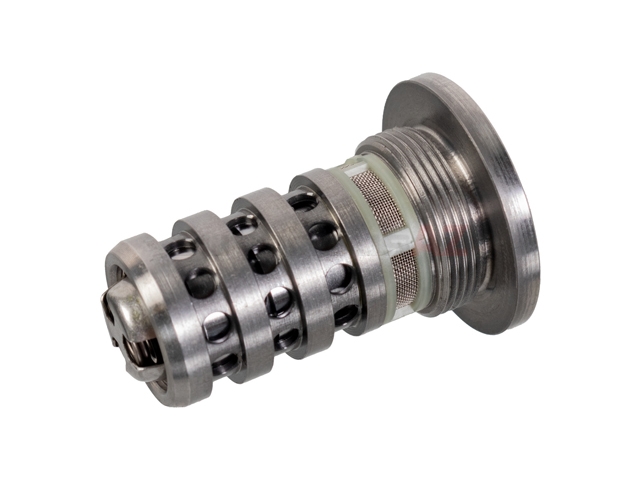


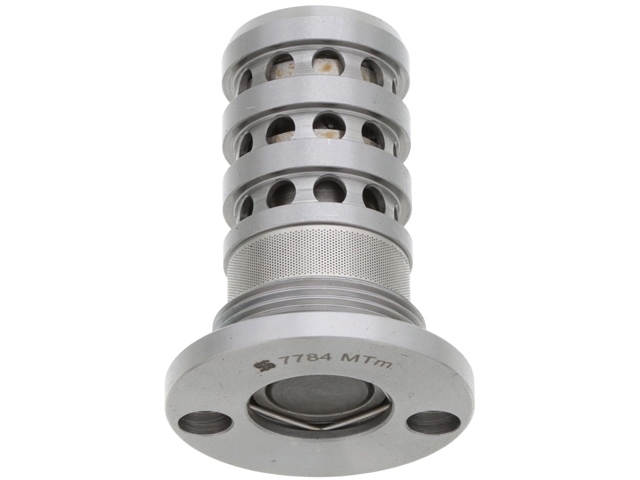



Based on industry averages you can expect to pay between $24.69 and $87.99 for a VW Golf variable timing solenoid.
What Are Symptoms Of A Failing VW Golf Variable Timing Solenoid?
When a VW Golf variable timing solenoid starts to fail, your car usually speaks up. You could see your check engine light blink on one morning, even though things felt fine when you parked. Maybe the engine takes longer to settle at idle, or it starts shaking more than it should. Sometimes power fades, and simple tasks like highway merges or passing cars get harder. Some days, you fill up the tank more than usual. Rattling or ticking after a cold start can creep in, too. If you shrug it off, the issues stick around and might bring bigger, more frustrating repairs. Scanning for error codes and a closer check will usually tell the full story, so don’t ignore those early warnings from your Golf.
How Can I Diagnose Problems With The VW Golf Variable Timing Solenoid?
Start small but smart. Plug in an OBD-II scanner—you’re hunting for codes like P0010 or P0011. Both often trace back to the variable timing solenoid. If you spot these, open the hood and check for anything out of place: thick sludge around the solenoid, loose plugs, or cracked wiring. Sometimes the problem hides deeper, so a mechanic might test the solenoid to see if it's free and able to move. Waiting too long can spell more trouble for the engine, and a quick check now can spare you from those headaches.
How Do I Replace The VW Golf Variable Timing Solenoid?
Have some basic tools? Swapping the VW Golf variable timing solenoid is not too tricky. Pull the engine cover, disconnect the battery for safety, and hunt for the solenoid near the top of the engine by the timing cover. Snap off the connector and unfasten the retaining bolt. Ease the solenoid out, watching for the O-ring so nothing disappears into the bay. Fit the new piece in, securing the seal, reconnect everything, and tighten the bolt. Click the plug back in place, then clear error codes. Run the engine and check for leaks. A steady idle and smooth revs signal you nailed it.
Can I Drive With A Bad VW Golf Variable Timing Solenoid?
Some drivers try to press on with a dodgy VW Golf variable timing solenoid, but it turns the daily commute into a gamble. The engine loses its timing balance, hurting power and fuel use. Push your luck too long, and you risk bigger breakdowns—timing chains or valves might get taken out in the process. That’s a far steeper bill than just replacing the solenoid. Sometimes the car might run, but it’s not worth it; slow starts, rough running, or sudden stalls could leave you stranded. Fix it early and avoid the trouble.
What Causes The VW Golf Variable Timing Solenoid To Fail?
Inside every engine, oil matters more than most realize. Sludge, from not changing your oil or using cheap brands, gums up moving parts. The VW Golf variable timing solenoid relies on clean oil. Dirt and grit sneak in through small leaks, wearing away the parts over time. Wires break down from heat and age, leading the system astray. Some drivers skip maintenance or use the wrong oil weight, which doesn’t help. As miles rack up, even good habits can’t hold off wear forever. Routine service keeps this piece happier—and your engine, too.
Why Choose Us For Your VW Golf Variable Timing Solenoid?
You want your Golf back to normal and your wallet intact. We get that. At AutohausAZ, we keep things clear and make the process smooth. Skip the searching—our prices beat the hassle and the counterfeits. Orders get packed fast and ship out quickly, so you won’t be off the road long. Changed your mind or ordered the wrong piece? Returns are a breeze. There’s no phone dungeon, just a simple process that works. Our team knows these cars and guides you if you get stuck. VW owners across the country stick with us for a reason. Car trouble is hard enough—finding the right part shouldn’t be.