

VW GTI Clutch Slave Cylinder Parts
Showing 7 out of 7 part(s) found in our catalog.
Brand
Keyword
Subcategory
Mon-Fri 8-4 MST/PST (Arizona Time)

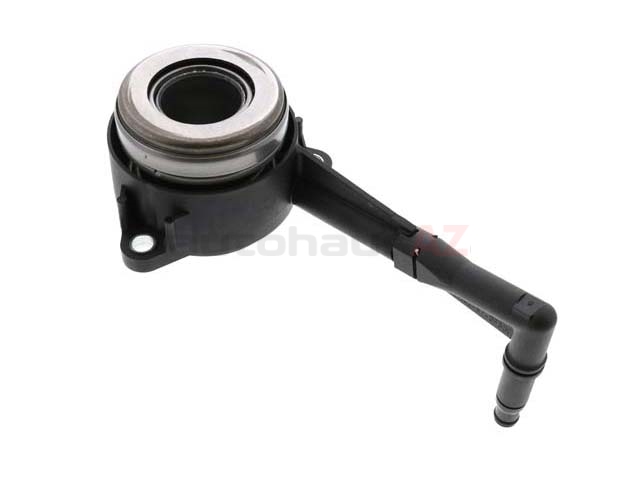



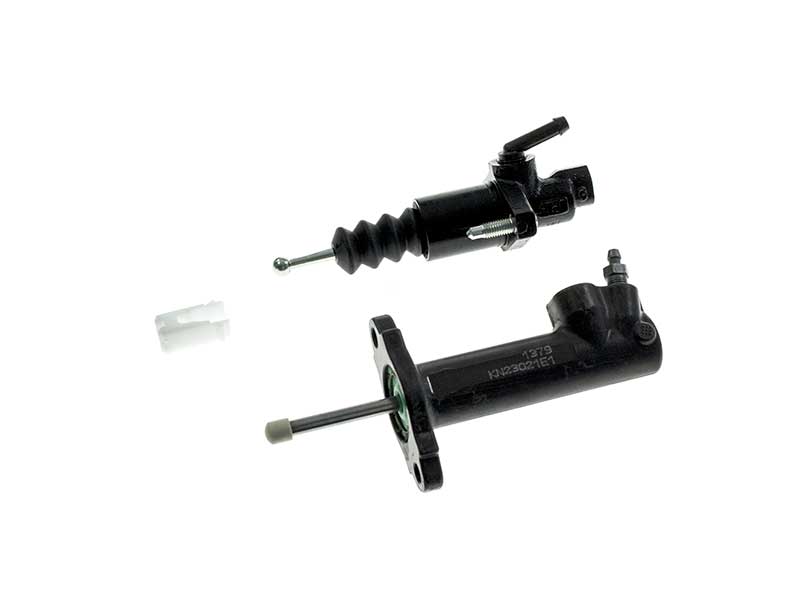
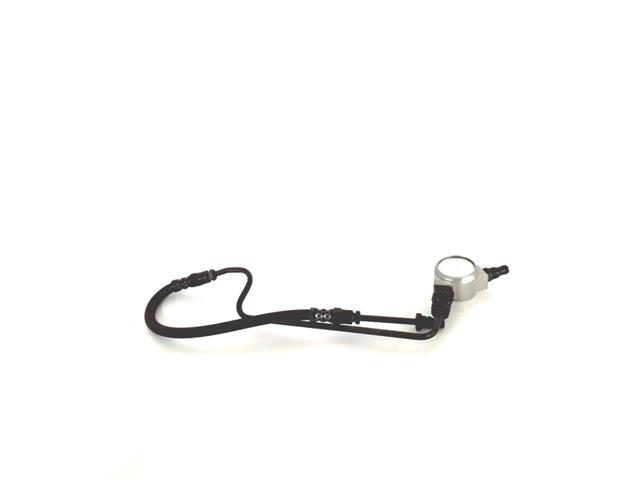
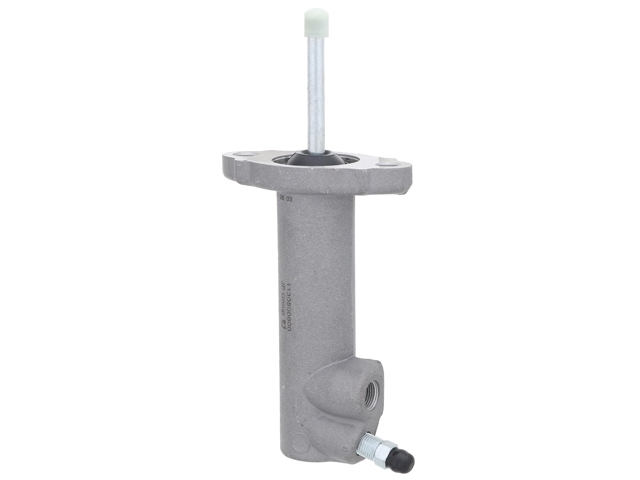
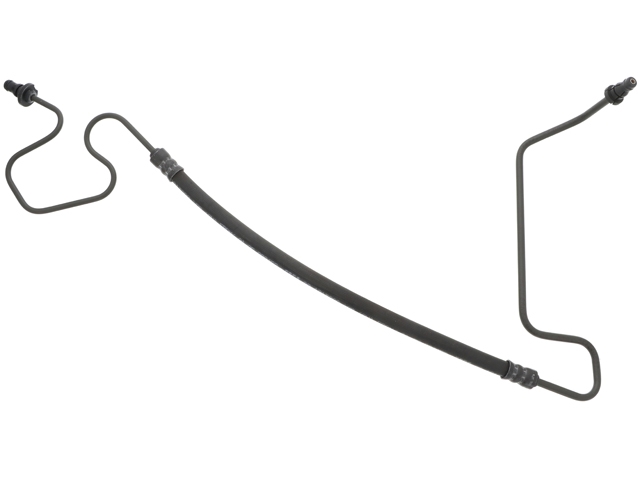

Based on industry averages you can expect to pay between $23.59 and $306.99 for a VW GTI clutch slave cylinder.
How Do I Know If My VW GTI Clutch Slave Cylinder Is Failing?
If your VW GTI clutch slave cylinder starts going out, you might pick up on a few problem signs. The clutch pedal can turn spongy, sometimes even drop straight to the floor. You may struggle to get the car into gear, or the clutch might not let go all the way—so the car creeps with the pedal pressed, which is never a good sign. Watch for drips of brake fluid under the vehicle or wet spots around the bell housing. When these show up, take it seriously. Catching the problem early makes the fix much less painful, both for your schedule and your wallet.
What Causes The VW GTI Clutch Slave Cylinder To Leak?
Leaks from the VW GTI clutch slave cylinder usually trace back to worn-out seals over time. High temps under the hood and tough driving don’t help. Sometimes old or dirty brake fluid eats away at those seals faster, while sloppy installation or debris knocking around the engine bay can open up a new leak. Once the seals go, brake fluid starts disappearing, and your clutch operation suffers. Keeping the fluid fresh and looking for leaks during routine checks can make all the difference.
Can I Replace Just The VW GTI Clutch Slave Cylinder Or Should I Upgrade Other Parts?
You can swap out just the VW GTI clutch slave cylinder if that’s the only failing bit. Still, with the car apart, it pays to give the rest of the hydraulic system a once-over. Got high miles? Might as well check the master cylinder or clutch line for rust or cracks. Some folks use the job as a reason to step up to better, stronger parts, especially if chasing more horsepower down the line. Cover all the bases now, and you’ll dodge a repeat performance later.
Do I Need To Bleed The Clutch After Installing A New Slave Cylinder?
Yes, you’ll definitely need to bleed the clutch system after swapping in a new VW GTI clutch slave cylinder. Air in the line makes for a soft pedal and shifting headaches. The usual drill? One person works the pedal, the other opens and closes the bleeder valve at the cylinder. Use fresh brake fluid—always stick to what VW recommends. Keep going until the bubbles are gone and the clutch feels solid. Skip this, and you’ll be fighting the car every time you need a gear.
How Long Does It Take To Replace The VW GTI Clutch Slave Cylinder?
If you’ve got tools at hand and have done the job before, you may finish swapping the VW GTI clutch slave cylinder in three or four hours. Getting access can mean removing extras like the intake or battery, even detaching the transmission if the slave cylinder sits inside the bell housing. Don’t forget to bleed the system at the end. First-timers should stretch out the timeline and keep a trusty service manual close by, just in case something unexpected pops up.
Where Can You Find An Affordable VW GTI Clutch Slave Cylinder?
You don’t need to hunt all over for a VW GTI clutch slave cylinder that fits your budget. AutohausAZ keeps prices low so you save from the start. When you order, shipping moves quick, so you’re never left waiting. If something doesn’t quite fit or work, their return process won’t leave you stuck. It’s a pretty smooth way to keep your VW GTI rolling without any extra hassle.