

VW GTI Harmonic Balancer Parts
Showing 1 out of 1 part(s) found in our catalog.
Brand
Keyword
Category
Select category below to view parts.
Mon-Fri 8-4 MST/PST (Arizona Time)

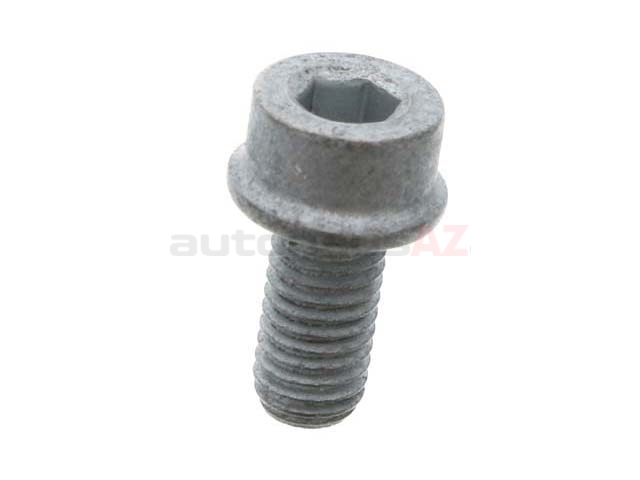


The average cost of a VW GTI harmonic balancer is between $1.59 and $1.59.
What Are The Signs Of A Failing VW GTI Harmonic Balancer?
A failing VW GTI harmonic balancer often makes itself known through rough engine vibrations. Maybe you hear a strange knock or rattle from the front of the engine. Sometimes it’s more of a wobble near the crank pulley when you peek with the engine idling. Drivers have reported odd whining noises, sometimes faint, sometimes sharp. If the vibes get worse as you rev or you catch the balancer shifting around, it’s time to check things out. Damaged balancers can wear the seal out and let a thin line of oil work its way out. Ignoring these early signs can end up hurting the crankshaft or belts down the road, so a quick check now is worth it.
How Long Does A VW GTI Harmonic Balancer Last?
The average VW GTI harmonic balancer makes it around 80,000 to 120,000 miles, but that change depending on how you drive and how tough the roads are. Gentle highway miles? It might go well past 100k. Short trips, stop-and-go traffic, or missed oil leaks can chew up the rubber faster. Once cracks show up or pieces separate, replacement climbs up the priority list. Some balancers outlast the car, others don’t make it halfway. During belt changes or big jobs up front, take a good look at the balancer for any rubber issues or misalignment. Mileage tells part of the story, but regular inspections matter more.
Can A VW GTI Run Without A Harmonic Balancer?
Running a VW GTI without its harmonic balancer comes with real risk. That chunk of metal and rubber isn’t there for show—it keeps engine vibrations in check and protects the crank from damage. Take it away, and the crank and seals no longer have backup. In the worst cases, internal parts take a beating and repairs add up fast. Should the balancer come off or break, don’t drive it until fixed. Even a short drive without it can push normal engine wear into costly territory.
Is It Hard To Replace The VW GTI Harmonic Balancer?
Swapping a VW GTI harmonic balancer isn’t the hardest job, but it takes more than basic tools. You’ll need to get at the front of the engine, remove the belt, and sometimes a few covers. The balancer bolt can be tough and often calls for a big torque wrench. Some models ask you to lock the crank from spinning, so plan for that too. With patience, decent tools, and a manual on hand, handy owners get it done at home. But if you don’t want to fuss with stubborn bolts and tight spaces, many people leave this one to their local shop.
Why Is My VW GTI Harmonic Balancer Making Noise?
If you hear a rattle or squeal around your VW GTI harmonic balancer, the rubber inside may be letting go. When that inner cushion fails, metal rings can grind or slap, making noise at idle or while you’re driving. Sometimes a loose bolt or misalignment is the culprit, leading to more noise and more risk. Waiting too long lets the problem snowball. As soon as you notice odd sounds from the front of your engine, it pays to check the balancer for movement or cracking—catching it now keeps the fix simple.
Looking For An Affordable VW GTI Harmonic Balancer?
AutohausAZ brings you VW GTI harmonic balancers at prices that won’t empty your wallet. Orders leave quick, so you’re not stuck waiting with your car in pieces. In case you picked the wrong part, hassle-free returns keep it easy. Keeping your VW GTI smooth doesn’t have to cost a fortune—find what you need here and get back on the road, no fuss.