

VW GTI Oil Cooler Parts
Showing 9 out of 9 part(s) found in our catalog.
Brand
Keyword
Subcategory
Mon-Fri 8-4 MST/PST (Arizona Time)




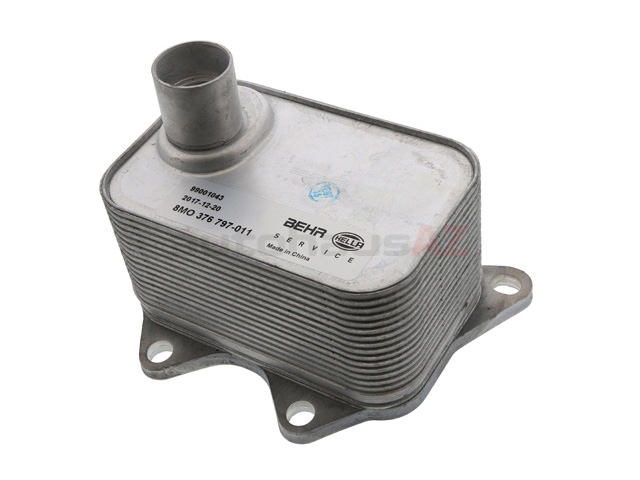
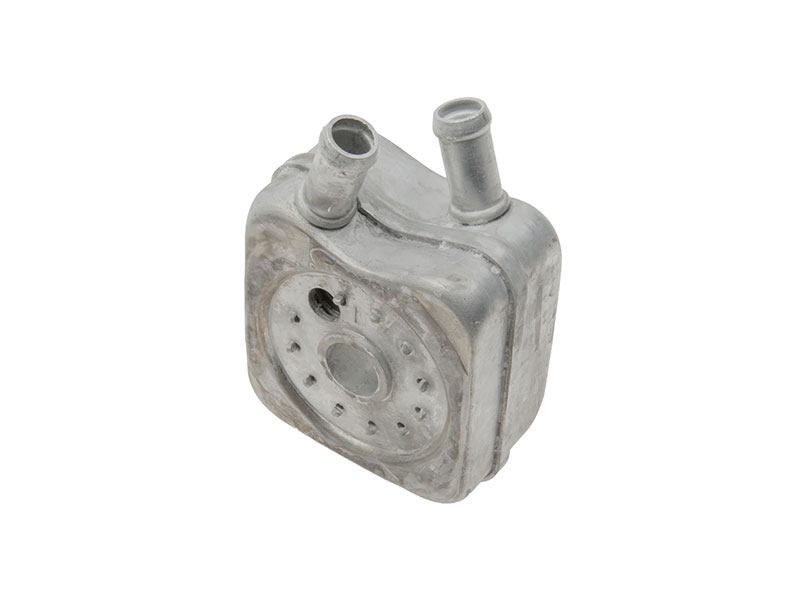
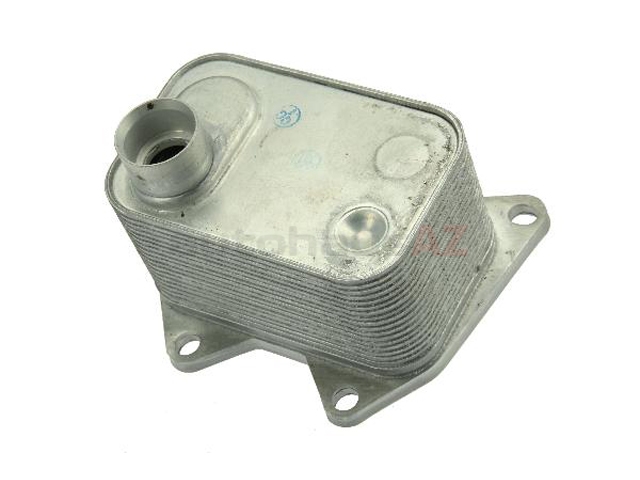
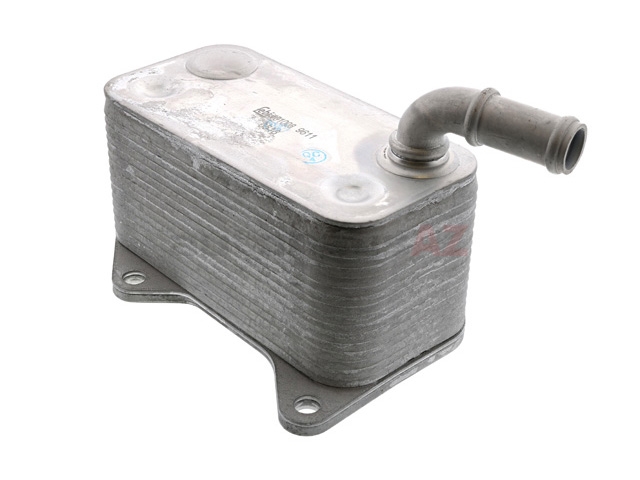
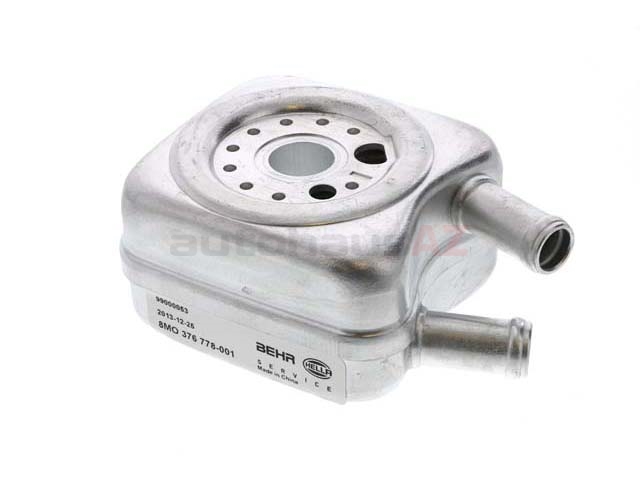
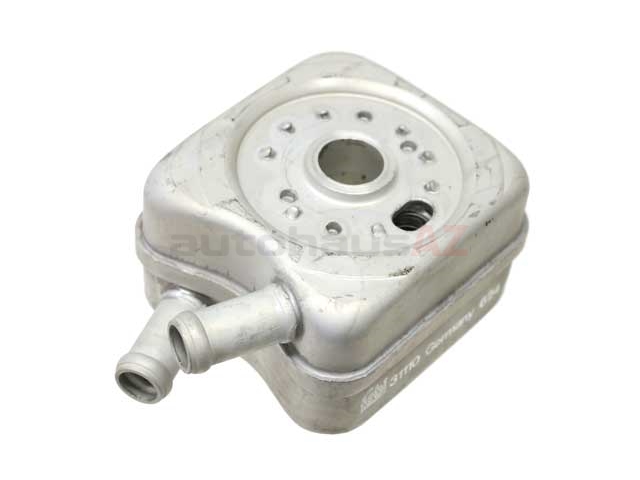

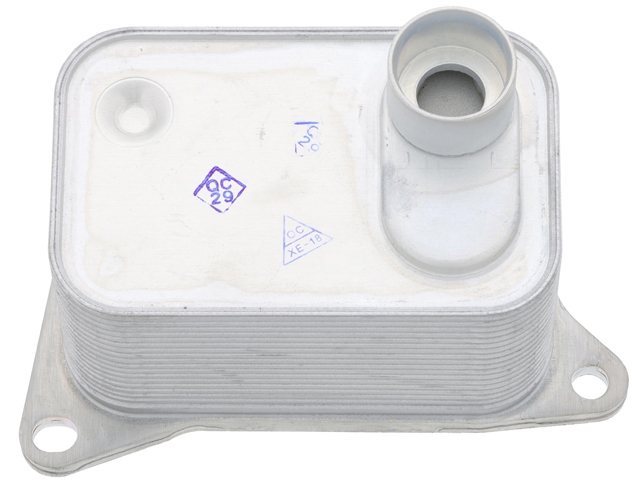
Based on industry averages you can expect to pay between $41.99 and $93.99 for a VW GTI oil cooler.
What Are Common Signs Of A Failing VW GTI Oil Cooler?
Many GTI owners notice a drop in coolant or oil levels, sometimes with no clear leaks under the car. A quick look might show oily spots or crusty, dried coolant on or around the oil cooler itself. If the oil on your dipstick or filler cap looks milky, or you spot brown sludge in the coolant tank, that’s a major clue the cooler could be letting fluids mix. The temperature needle edging up higher than usual—especially in stop-and-go traffic—is another warning sign. Some folks report a sharp, sweet smell after parking, or see the check engine light (and wonder why). If you spot any of these, don’t put it off. A closer inspection of the oil cooler, hoses, and surrounding parts can save your engine from serious issues.
How Do You Replace A VW GTI Oil Cooler?
Set aside a couple of hours and have your socket set, wrenches, new cooler (or gaskets), fresh oil, and coolant ready. Start with a cool engine. Disconnect the battery—no one loves unplanned sparks. Drain the oil and coolant. Sometimes the air box or intake pipes block easy access, so remove those if needed. Clean the area, then unbolt the cooler and pull it free. Scrape off old gasket material, seat the new cooler or new gaskets, and bolt everything back together snug but not overtightened. Refill the fluids, run the engine up to temp, and watch for leaks. Get rid of any air pockets in the cooling system by bleeding it. It’s a job most folks with moderate wrenching experience can handle—just take your time, double-check your work, and work clean.
Can A VW GTI Oil Cooler Cause Overheating?
Definitely. A failing oil cooler can jam things up in a hurry. Letting coolant seep out through the cooler weakens the entire cooling system. Oil that’s not cooled runs thinner, and can’t keep up with friction inside the engine. The result? More heat, more wear. If overheating pops up out of nowhere or stays even after a coolant flush, don’t forget to check the oil cooler for leaks or blockages. Sometimes, it’s the last place people look, but catching a weak cooler before a full overheat can spare you bigger repairs.
What Fluid Should You Use In A VW GTI Oil Cooler?
Your GTI’s oil cooler depends on the right fluids to hold up. Always pour in a synthetic oil with the VW-recommended grade (check your manual, but 5W-40 is often suggested). On the coolant side, use an OE-spec pink or purple G13 coolant. Mix the coolant per the label’s directions—straight water or the wrong antifreeze will break things down faster than you think. Skip bargain fluids to avoid sludge, scale, or internal leaks. Doing regular checks—maybe every few oil changes—keeps surprises away and helps the cooler last.
How Long Does A VW GTI Oil Cooler Last?
Most VW GTI oil coolers pass the 100,000-mile mark, and many go quite a bit further if fluid changes don’t get skipped. Cars that see track days, idling in traffic, or sit for long periods might see the cooler fail earlier. Gasket leaks are common when engines run hot often or fluid is left dirty too long. If the car is past 80k and hasn’t had the cooler checked, it’s smart to give it a once-over. Swapping it preemptively is a lot less stressful than fixing bigger problems a failed cooler can cause.
Looking For A VW GTI Oil Cooler At A Great Price?
At AutohausAZ, we know how important reliable cooling is. Shopping for a VW GTI oil cooler? Check our prices—they beat most shops, both online and local. We pack and ship fast. Didn’t get the right part? No worries—returns are easy. With us, buying parts means getting back to driving, not waiting around for solutions.