
VW Karmann Ghia Ignition Coil Parts
Showing 1 out of 1 part(s) found in our catalog.
Brand
Keyword
Subcategory
Mon-Fri 8-4 MST/PST (Arizona Time)

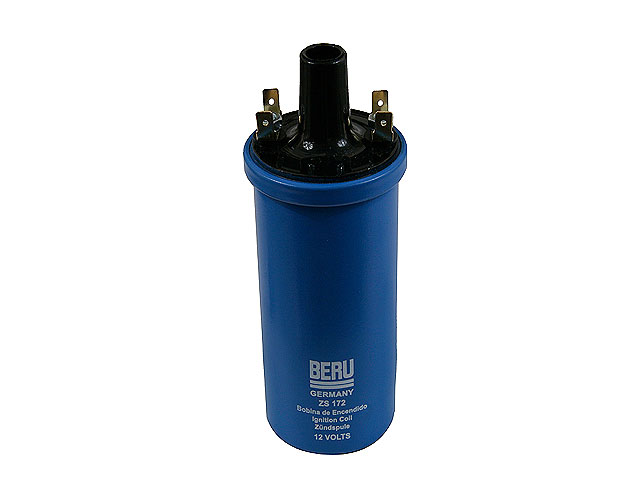


The average cost of a VW Karmann Ghia ignition coil is between $53.99 and $53.99.
What Are The Signs Of A Failing VW Karmann Ghia Ignition Coil?
It starts with small things. Maybe your VW Karmann Ghia takes longer to start. The engine stumbles or coughs. Some days, it misfires or loses power as you press the gas. You hear a pop from the exhaust—something you don’t remember hearing before. Stalling becomes more common, especially at stoplights. Even on smooth highways, the ride feels rougher. If the ignition coil gives out, the car might not start at all. Look under the hood for cracks, swelling, or corrosion on the coil. Pay attention if gas mileage drops, or if the car feels sluggish. Each sign points you closer to a weak or dying coil, and catching it early keeps you from getting stranded.
How Can I Test The VW Karmann Ghia Ignition Coil?
Grab a multimeter and a good light. First, turn off the car and disconnect the battery. The coil sits on the fan shroud—easy to spot. Remove the wires from the coil’s terminals and check for rust or green corrosion. Set the multimeter, then measure the resistance between the positive and negative terminals. It should read a low number, barely over zero. Next, check between the negative terminal and the center high-voltage output; expect several thousand ohms there. Write down the numbers and compare them to the specs found in your repair manual. Bad numbers mean a worn-out coil. Replace it, and your engine should run much steadier.
Which Ignition Coil Brand Works Best For The VW Karmann Ghia?
It depends on what you want. Some drivers trust only OEM parts. Others swear by Bosch, saying German parts fit and last. Bosch wins praise for building coils that outlive many imitations. Some people also like Beru for its solid spark and history with classic Volkswagens. Stay away from off-brand bargains—they might not hold up. You want a coil built to handle heat and moisture, made from good materials. That keeps your car authentic and strong, mile after mile.
What Causes The Ignition Coil To Fail On A VW Karmann Ghia?
Most coils die from heat, age, or water sneaking in. Over the years, windings break down inside the coil. Sometimes, engine heat cooks the insulation, and cracks form. Old wire harnesses or bad distributors add to the risk by sending jumpy voltage or random surges. Even a tiny bit of rust or dirt at the terminals speeds up failure. In humid areas, moisture can seep in and create shorts. If your car sits for months, sudden starts after storage strain the coil. Spotting these problems early lets you fix them before you’re left calling for a tow.
Is It Hard To Replace A VW Karmann Ghia Ignition Coil Yourself?
Not really. The job needs basic hand tools—nothing fancy. The hardest part is remembering where each wire goes. After disconnecting the battery, loosen the clamp holding the coil to the shroud. Unplug each wire, making sure to keep track as you go. Lift the old coil out, drop the new one in, and secure it. Connect the wires exactly as before. Double-check that everything’s snug, then reconnect the battery and start the engine. For most owners, the swap takes less than an hour. It’s an easy win, saving both time and cash.
Why Choose AutohausAZ For Your VW Karmann Ghia Ignition Coil?
Your VW Karmann Ghia deserves good parts at prices that don’t sting. That’s what you get with AutohausAZ. Orders ship out fast, and there’s no runaround if something’s not right—their return process is simple. Support is a phone call or email away, so you don’t have to guess which part works. The prices are low without cutting quality, so you keep more in your pocket. It’s a practical way to keep a classic running strong, backed by folks who know cars and care about service.