

Audi A3 Fuel Vapor Leak Detection Pump Parts
Showing 2 out of 2 part(s) found in our catalog.
Brand
Keyword
Subcategory
Mon-Fri 8-4 MST/PST (Arizona Time)

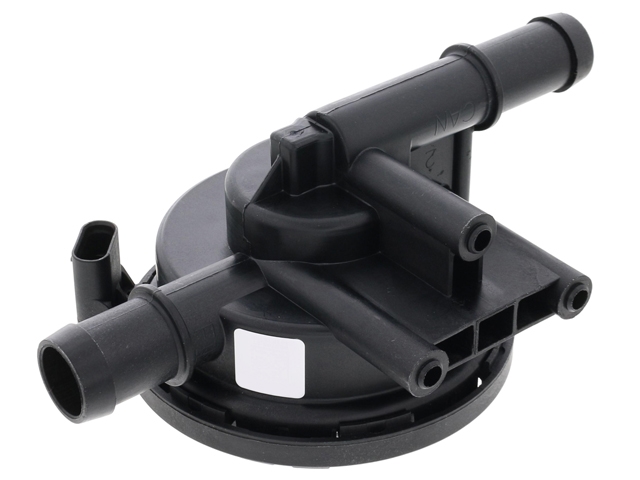


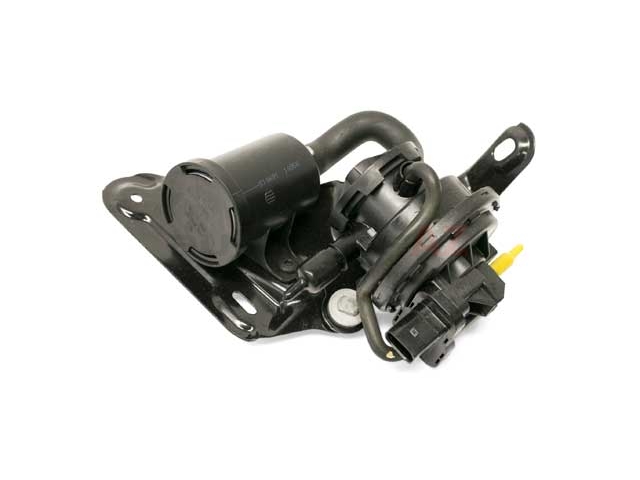
The average price of a Audi A3 fuel vapor leak detection pump is between $86.99 and $371.99.
What Does The Audi A3 Fuel Vapor Leak Detection Pump Do?
The Audi A3 fuel vapor leak detection pump sits quietly inside your car’s evaporative emissions system, but its job matters. It helps the computer check for leaks by gently pressurizing the system and tracking how the pressure holds. If pressure drops too quickly, there’s probably a leak letting gas vapors escape. Keeping vapors contained means your car meets emissions rules and runs more cleanly. If this pump starts to fail, you might spot the check engine light pop on or get a whiff of fuel where you shouldn’t. It’s not the loudest part in your engine bay, but when it trips up, your car will let you know.
What Are Signs Of A Failing Audi A3 Fuel Vapor Leak Detection Pump?
You’ll notice certain things if the Audi A3 fuel vapor leak detection pump stops doing its job. The check engine light shows up, sometimes after you fill up the tank. Fuel smells become obvious, maybe near the back of the car. Sometimes, you’ll hear faint hissing or clicking from around the rear axle or the canister, especially after shutting the car off. Trouble starting right after pumping gas happens too. Plug in a code reader, and you could find stored codes pointing to the emissions system. It’s best not to let these signs slide. Fixing a pump early usually saves trouble and money later.
How Much Does It Cost To Replace The Audi A3 Fuel Vapor Leak Detection Pump?
Swapping out the Audi A3 fuel vapor leak detection pump costs between $200 and $400 in most cases, parts and labor combined. Dealer work can nudge those numbers higher, while aftermarket pumps may trim the price a bit. Labor rates shift by shop, but this isn’t the longest job—access is decent, so you aren’t paying for hours of labor. Still, always ask for an estimate before saying yes. Some regions and shops charge a little more for diagnostics or for sourcing the pump itself.
Can I Drive With A Bad Audi A3 Fuel Vapor Leak Detection Pump?
You can keep driving with a bad Audi A3 fuel vapor leak detection pump, but it’s not smart for long. While your engine might still run, vapors seeping out can trip inspection failures and cause extra pollution. Over time, unchecked leaks in the system can mess with other emissions parts, racking up further cost. A check engine light or sharp gasoline smell means you should get things checked soon. Taking care of repairs guards both your ride and the air around you.
Do I Need Special Tools To Replace The Audi A3 Fuel Vapor Leak Detection Pump?
A home mechanic can usually handle swapping the Audi A3 fuel vapor leak detection pump with a decent toolkit—think socket wrenches, screwdrivers, and pliers. Lifting the car safely is key, since you’ll be working near the rear axle or canister location. An OBD2 scanner takes care of codes after the swap. Take your time, disconnect the battery, and keep sparks or fire far from the work zone. Stay careful, and you shouldn’t run into big trouble.
Looking For The Best Audi A3 Fuel Vapor Leak Detection Pump?
If you want a fuel vapor leak detection pump for your Audi A3, AutohausAZ makes the whole thing simple. The price you see is the price you pay—no need to chase down deals elsewhere. Orders ship fast so you don’t have to wait long. Picked the wrong item? Returns are quick and easy. Keeping your car running and your bill low—that’s the focus here.