
BMW E36 3-Series Heater Hose Parts
Showing 8 out of 8 part(s) found in our catalog.
Brand
Keyword
Subcategory
Mon-Fri 8-4 MST/PST (Arizona Time)

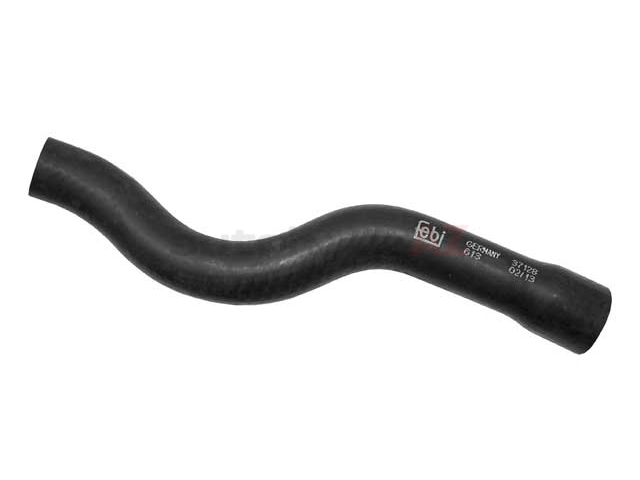


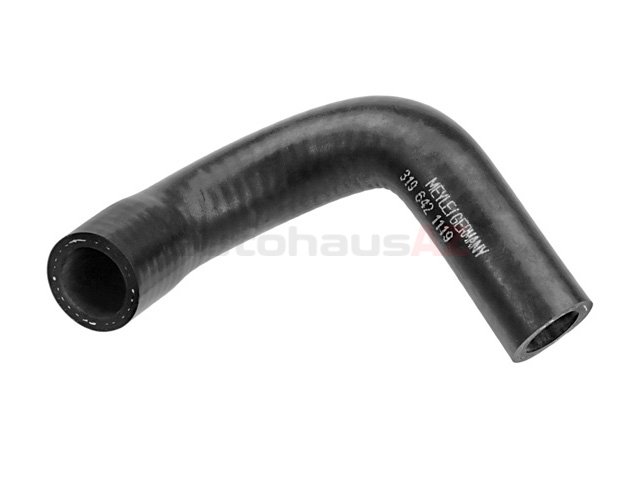
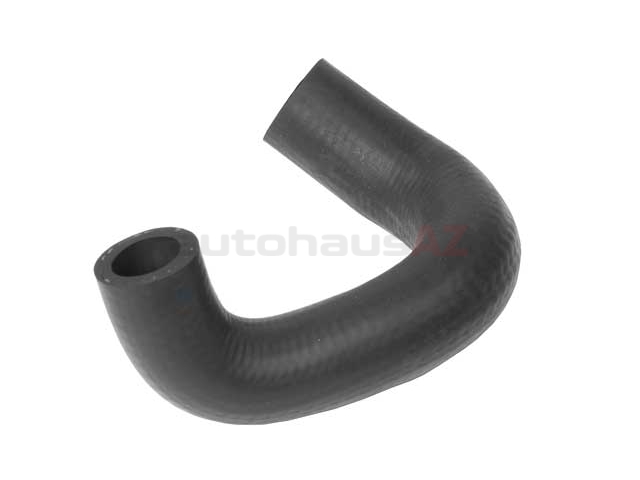
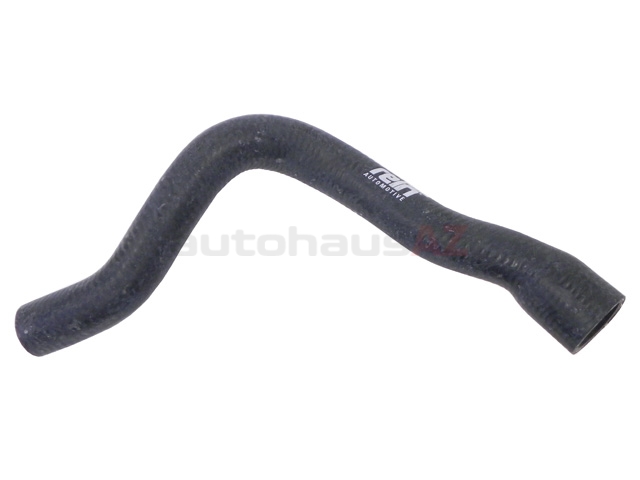
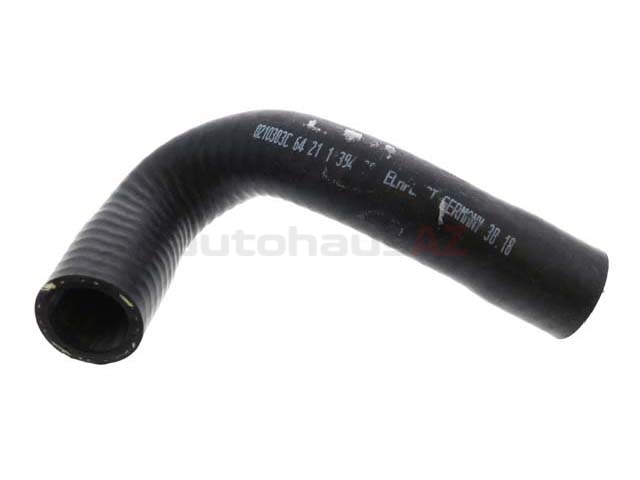
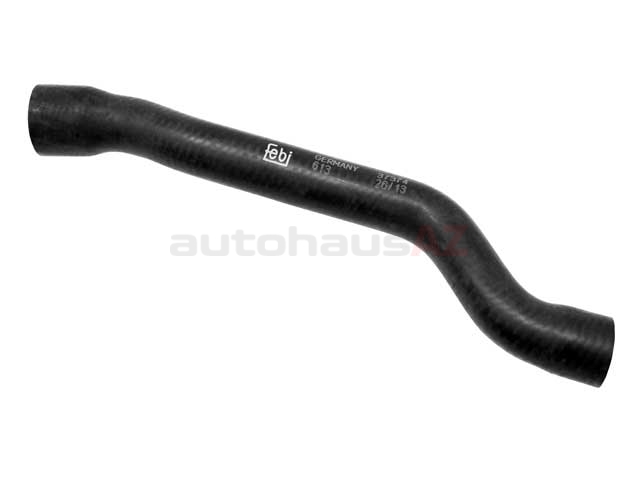
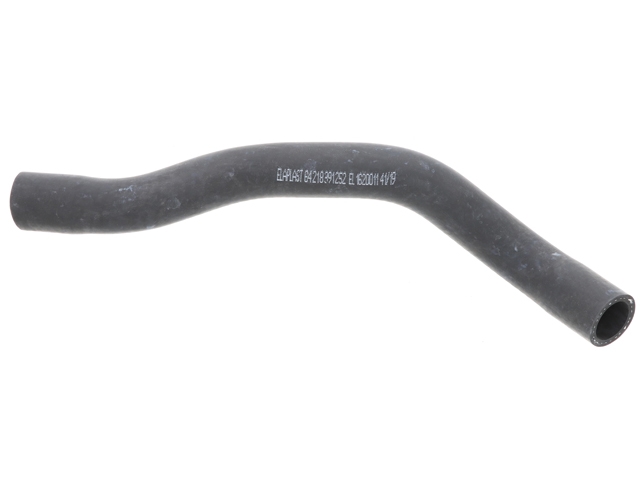
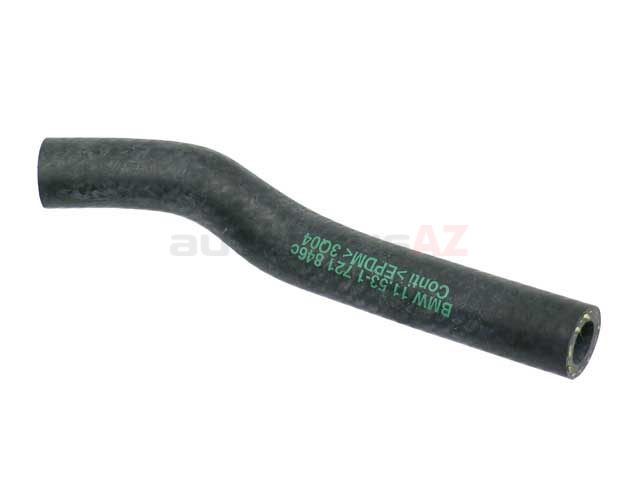
The average price of a BMW E36 3-Series heater hose is between $3.99 and $15.59.
What Causes A Leak In The BMW E36 3-Series Heater Hose?
Heater hose leaks in the BMW E36 3-Series usually come down to old age and heat. As the years go by, the rubber just can’t hold up—cracks start, the hose turns soft, or sometimes it feels hard and brittle. Some leaks show up right at the ends, near the clamps at the engine or firewall. A stretched or rusty clamp can also lose grip, letting coolant slip through. Even regular vibrations from driving can start to wear down rubber after so many miles. People often spot leaks after seeing green or blue puddles under the car or smelling a sharp, sweet scent in the cabin. If anything looks damp around the heater hose, it’s time for a closer look before the engine cooks itself.
How Do I Replace The BMW E36 3-Series Heater Hose?
Changing the BMW E36 3-Series heater hose is pretty straightforward once the engine cools. Start by opening the radiator drain plug and letting the coolant out. Take off the old hose by loosening the clamps at both ends—sometimes twisting gently helps break a stuck seal. Make sure to use a hose that curves and fits right; E36 hoses aren’t all the same. New clamps are a good move, especially if the old ones look rusty or bent. Fit the hose on, tighten things up, and fill the system with fresh BMW-type coolant. Don’t forget to bleed air out. If you don’t, you might end up with heater problems or even overheating the next time you drive.
What Symptoms Indicate A Failing BMW E36 3-Series Heater Hose?
A failing BMW E36 3-Series heater hose announces itself with a few telling signs. The coolant level keeps dropping, but you can’t spot a puddle until you look closer. Steam wafts up from the engine bay after a drive, or the inside heater stops blowing warm. Sometimes, all you get is a sticky smell—not the usual musty odor but sharp and sweet, the way antifreeze smells. Touch the hose if you can: if it feels soft or spongy, that’s a red flag. Swollen spots or a surface that looks cracked also mean trouble is on the way.
Can I Drive With A Leaking BMW E36 3-Series Heater Hose?
Driving a BMW E36 3-Series with a leaking heater hose is risky. Coolant loss can make the temp gauge spike without much warning. Even a small leak can send engine temps soaring, sometimes within minutes. Topping off fluid works for a little while, but it won’t save you from a blown headgasket if pressure drops off or air pockets form. Quick fixes, like duct tape, don’t last long in hot, high-pressure spots. If you notice a leak, parking and calling for a tow could save you a blown motor and a huge repair bill.
What Type Of Coolant Should I Use After Changing The BMW E36 3-Series Heater Hose?
Once you swap out the BMW E36 3-Series heater hose, fill up with the right coolant. BMWs need special blue coolant, free of phosphates and nitrites, and not just generic green or orange fluids. Mixing coolants can clog the heater core and lower system life. Go half-and-half with distilled water and coolant for a mix that stands up to winter cold and summer heat. Regular tap water leaves mineral build-up, so it’s best to avoid it. Sticking with BMW-spec antifreeze keeps the heater hose—and the rest of the cooling system—safe and reliable.
Looking For A BMW E36 3-Series Heater Hose?
Here at AutohausAZ, we know how important it is to keep your BMW E36 3-Series on the road, and that starts with getting the right parts the first time. We keep quality heater hoses in stock, so you spend less time searching and more time driving. Our prices are always low, and we ship fast. Returns are easy if something isn’t right. Need a new heater hose? We’ll help you find it, get it shipped, and keep your BMW running smooth, season after season.