

VW Beetle Voltage Regulator Parts
Showing 3 out of 3 part(s) found in our catalog.
Brand
Keyword
Subcategory
Mon-Fri 8-4 MST/PST (Arizona Time)

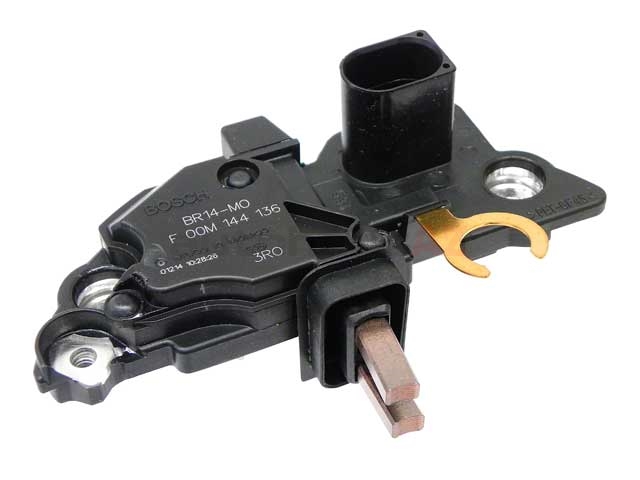


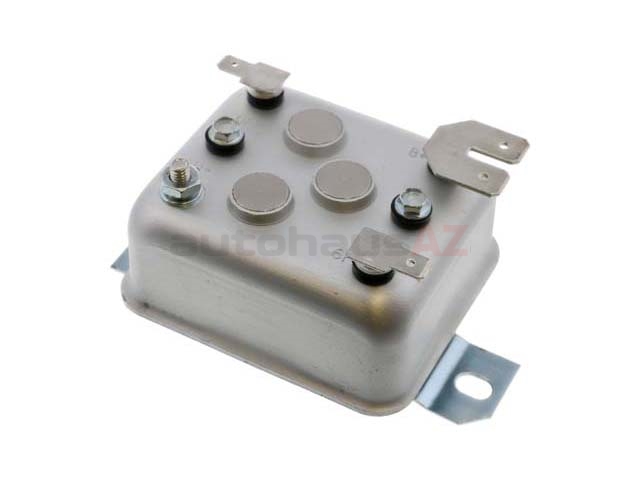
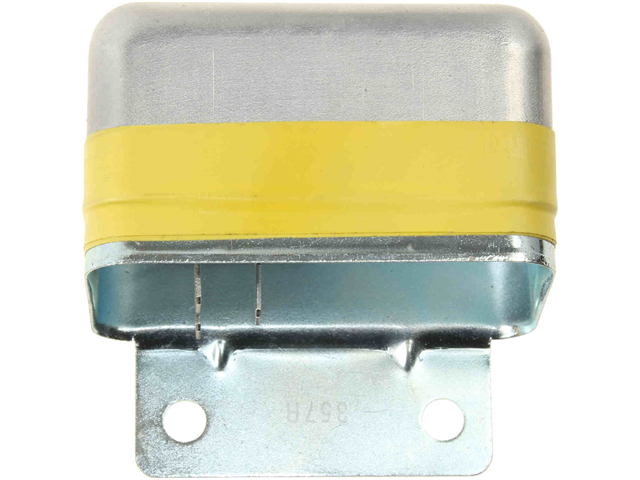
Based on industry averages you can expect to pay between $28.99 and $57.99 for a VW Beetle voltage regulator.
What Are The Signs Of A Faulty VW Beetle Voltage Regulator?
A bad VW Beetle voltage regulator likes to make its presence known in annoying ways. You’ll probably spot headlights that go dim, then suddenly flare up, or maybe the dash lights flicker for no reason. The battery can start draining even after short drives, so you end up jump starting your Beetle every morning. Sometimes, the engine stutters or acts up, because the voltage patterns become unpredictable. If the battery warning light pops on while you’re cruising, that’s a red flag too. Left unchecked, an unchecked VW Beetle voltage regulator can fry your battery and even damage other fragile electronics, so don’t ignore those weird electrical gremlins.
How Can I Test the VW Beetle Voltage Regulator?
Checking up on your VW Beetle voltage regulator isn’t too tricky. All you need is a decent multimeter and a bit of time. Charge up the battery fully first. Then fire up the engine and connect your multimeter to the battery posts. Rev it a bit, holding steady around 2,000 RPM, and read your output voltage. Ideal numbers sit between 13.8 and 14.5 volts. Anything much lower than 13 or drifting above 15 volts hints at trouble. If the voltage bobbles up and down, that’s another warning. Always double-check the specs in your Beetle’s manual, because different years might have slight differences. If anything seems off, further diagnosis—or a visit to your mechanic—might be the way to go.
Where Is the Voltage Regulator Located on a VW Beetle?
The VW Beetle voltage regulator doesn’t always hang out in the same place. Early Beetles put it near the generator, close to the firewall or on the fan shroud—easy to spot once you pop the engine lid. Later models hid it inside the alternator itself, which means you can’t see it without taking things apart. Not sure which one you’ve got? Have a peek at a wiring diagram for your year or flip through a repair manual. It saves time and stops you from pulling out the wrong parts. Knowing where it sits makes repairs less of a headache.
Can the Voltage Regulator Be Replaced Separately from the Alternator?
If your Beetle’s on the older side, the VW Beetle voltage regulator is its own part—so you just swap it out. Newer models (with the alternator upgrade) rolled the regulator inside the alternator housing, so you have to pull the whole alternator out to get at the regulator. Sometimes, it’s easier or cheaper to just switch out the full alternator if sourcing the regulator alone turns into a parts-hunting saga. Always check what’s under your Beetle’s hood before buying anything new or starting the swap.
What Causes the Voltage Regulator to Fail and How Can You Prevent It?
Life’s tough for the VW Beetle voltage regulator. It’s exposed to heat, bumps, old wiring, and it takes a hit when the battery or alternator starts to fail. Water and rust make things worse, especially in vintage Beetles. Keeping your battery healthy and making sure everything’s tight and corrosion-free goes a long way. Routine checks—just taking a look at cables and connections—help catch problems before you’re stranded somewhere. Stay ahead on maintenance and things are less likely to go sideways.
Where Can You Find Affordable VW Beetle Voltage Regulators?
You don’t need to spend a fortune to keep your Beetle’s charging system healthy. At AutohausAZ, we stock VW Beetle voltage regulators at prices that let you stick to your budget. Discounts are the norm, and the shipping’s quick, so you don’t lose days waiting on your parts. If you get the wrong piece, their return setup doesn’t leave you guessing. All in all, you get your Beetle back in action without drama or unexpected headaches.