

VW Golf Voltage Regulator Parts
Showing 3 out of 3 part(s) found in our catalog.
Brand
Keyword
Subcategory
Mon-Fri 8-4 MST/PST (Arizona Time)

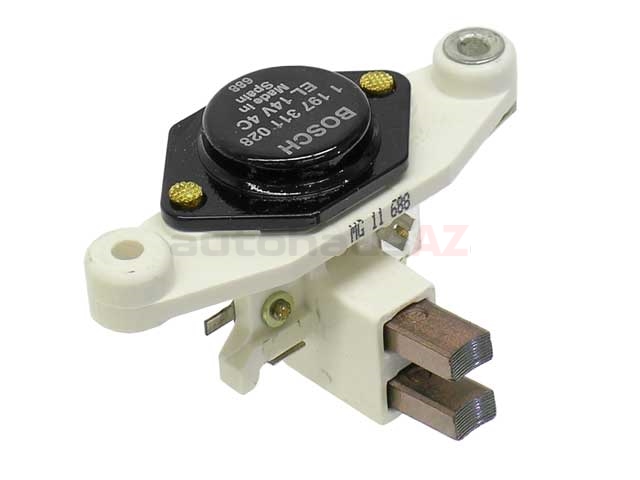


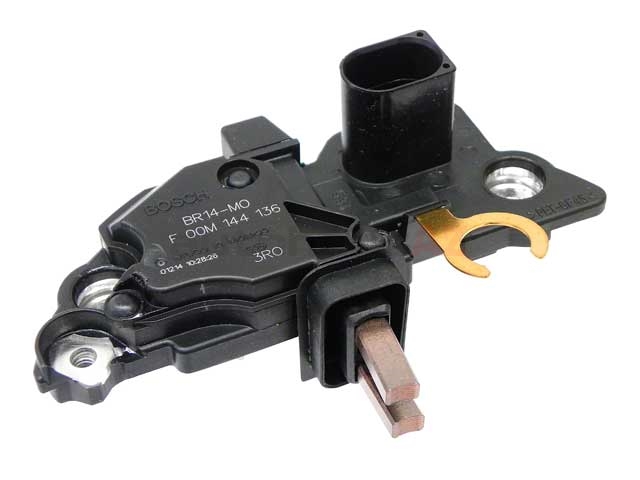

Based on industry averages you can expect to pay between $23.09 and $48.99 for a VW Golf voltage regulator.
What Are The Signs Of A Failing VW Golf Voltage Regulator?
When a VW Golf voltage regulator starts to fail, you notice it in odd ways. You might see the dashboard lights flicker or dim, especially at idle. The battery warning light on the dash may behave strangely. Sometimes, accessories like your radio, wipers, or windows act up and seem weaker than normal. Headlights can grow brighter or go dull without warning. On a bad day, the car even stalls at the lights, or you find it slow to start on a cold morning. If any of these pop up, it makes sense to check the charging system before you’re stranded somewhere. Skipping these warning signs can lead to a dead battery or a fried alternator, so a quick look at the VW Golf voltage regulator keeps trouble at bay.
How Do I Test The VW Golf Voltage Regulator?
To test the VW Golf voltage regulator, you’ll need a multimeter and a little patience. Start the car and switch the meter to DC volts. Touch the probes to the battery terminals. You want to see between 13.5 to 14.5 volts with the engine running. Flip on the headlights and blast the AC, then check again. If you see the voltage bouncing around or way outside that range, you likely have a regulator problem. Watch your fingers, tie back loose hair or sleeves, and take your time. Sometimes, a quick test can point you straight to the cause and save a day in the shop.
Where Is The VW Golf Voltage Regulator Located?
Usually, the VW Golf voltage regulator hides in plain sight. It’s most often built right into the back of the alternator. Some models have it mounted nearby on the firewall or tucked under the hood near the alternator. If it’s built in, you’ll have to pull the alternator to get a closer look. If it’s separate, a quick scan under the hood or a glance at your car’s manual finds it fast. Knowing exactly where to look means you don’t waste time with guesswork, especially when the car decides to act up out of nowhere.
Can A Faulty VW Golf Voltage Regulator Drain The Battery?
Yes, a faulty VW Golf voltage regulator can drain your battery in a hurry. If the voltage runs too high, the battery ends up overcharged—the acid boils, and the battery suffers. If the charge falls too low, the battery can’t keep up and loses power. Often, this leads to jump-starts that become routine or a battery that won’t hold a charge past a few months. Staying on top of the VW Golf voltage regulator stops these headaches before you find yourself stuck.
Is It Better To Replace Or Repair The VW Golf Voltage Regulator?
When the VW Golf voltage regulator goes bad, swapping it out works best. Most modern ones are sealed inside the alternator or built so that fixing them isn’t easy without the right tools. Older models sometimes let you swap just the regulator, but these are rare now. Most drivers choose to install a new regulator or a rebuilt alternator instead of messing with repairs. This saves time, hassle, and helps avoid more problems down the road.
Why Choose AutohausAZ For Your VW Golf Voltage Regulator?
With AutohausAZ, tracking down a VW Golf voltage regulator is easy. You get solid prices, a wide selection, and quick shipping that brings the part right to your door. Returns are simple if things don’t work out. Plenty of drivers have counted on them already, and they keep coming back for fair deals and honest service.