

BMW E36 3-Series Belt Tensioner Parts
Showing 20 out of 20 part(s) found in our catalog.
Brand
Keyword
Category
Select category below to view parts.
Mon-Fri 8-4 MST/PST (Arizona Time)

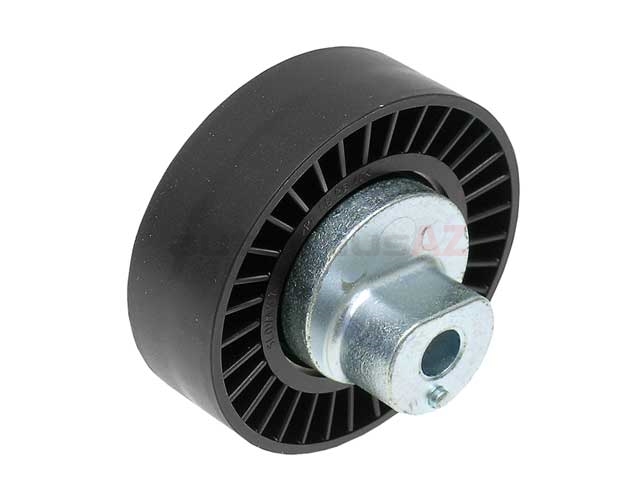


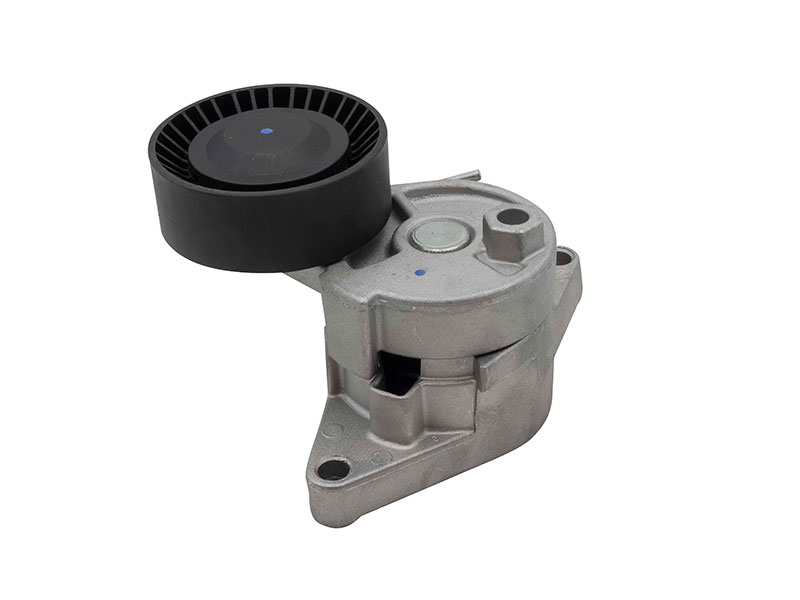

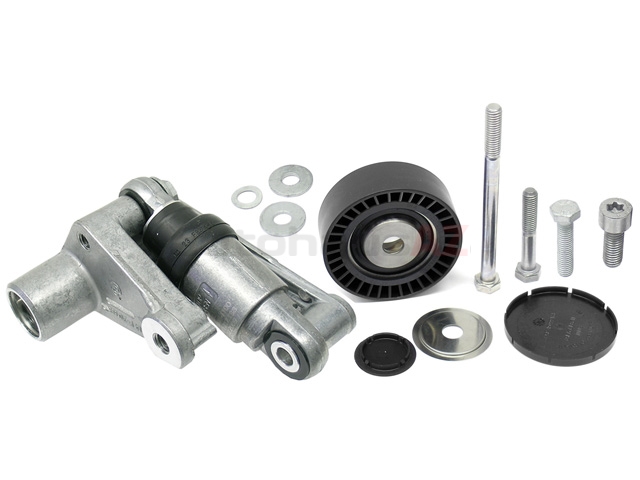
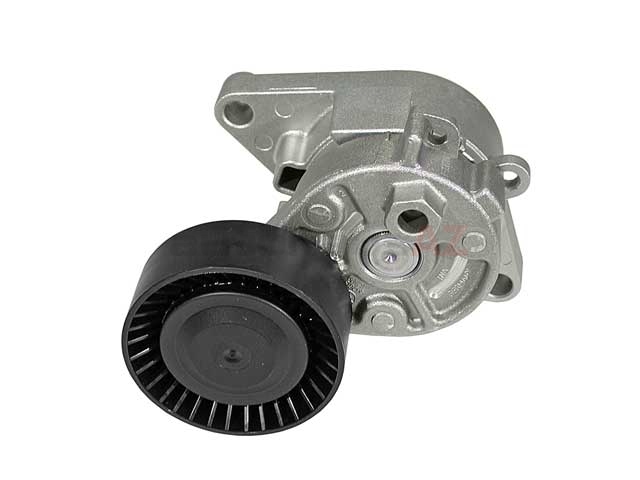
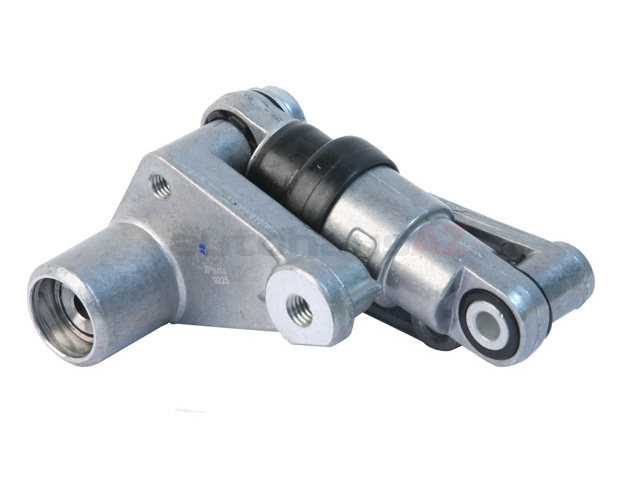
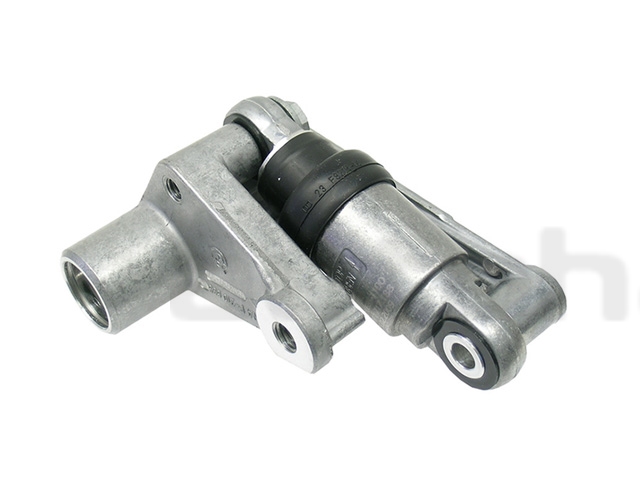
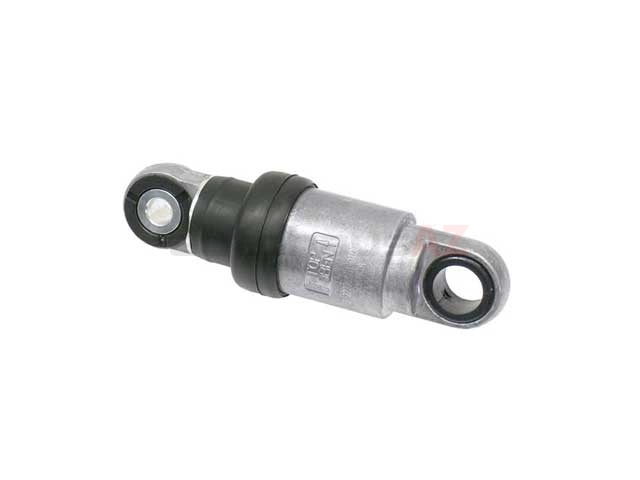
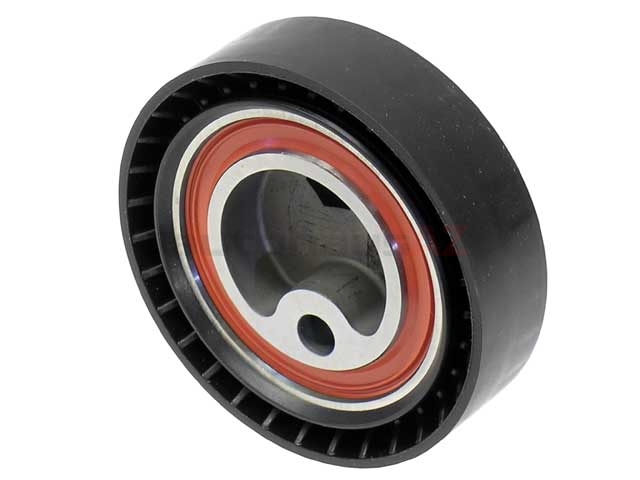
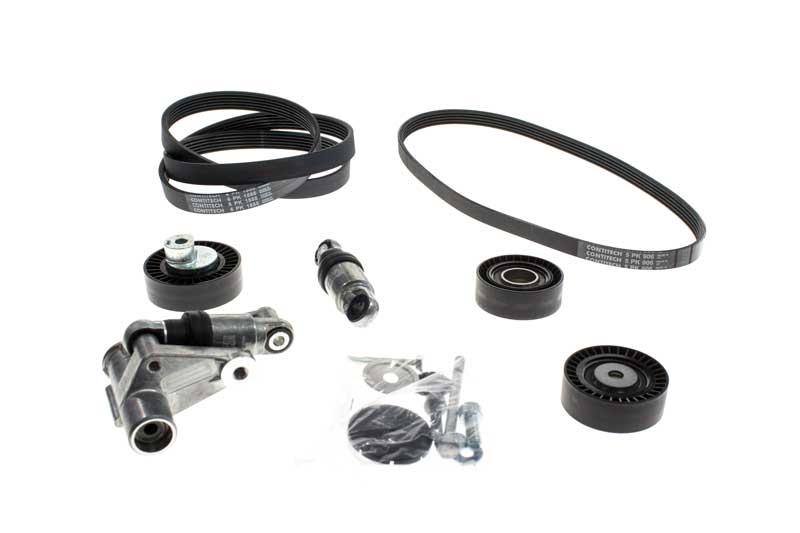
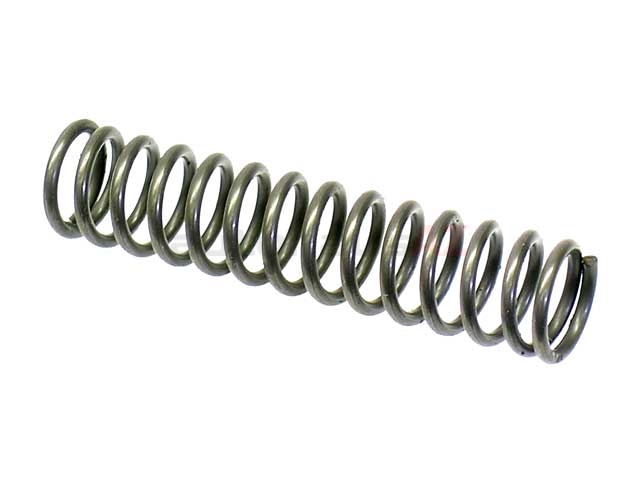
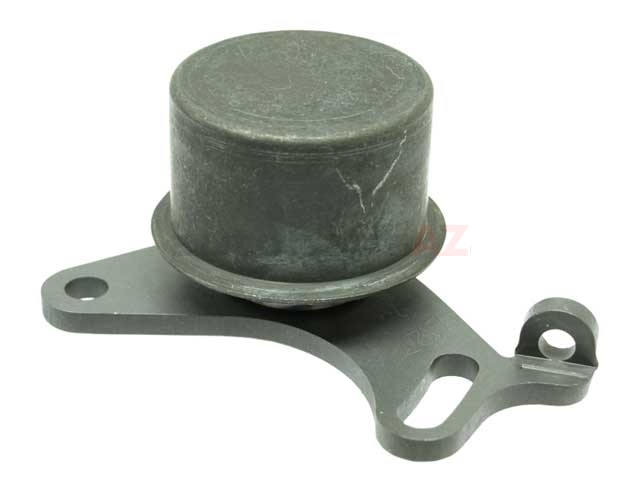
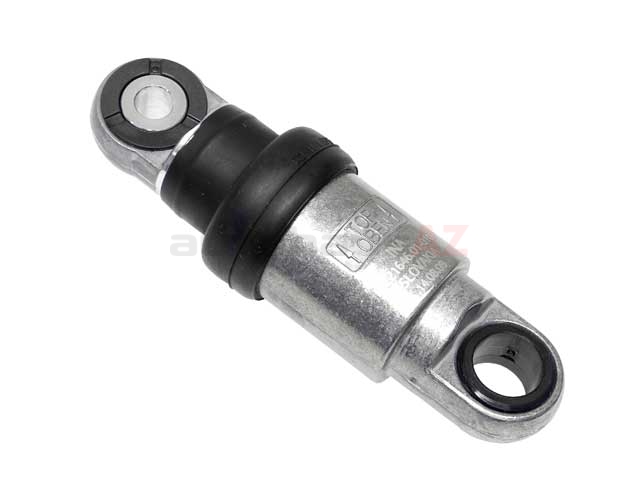
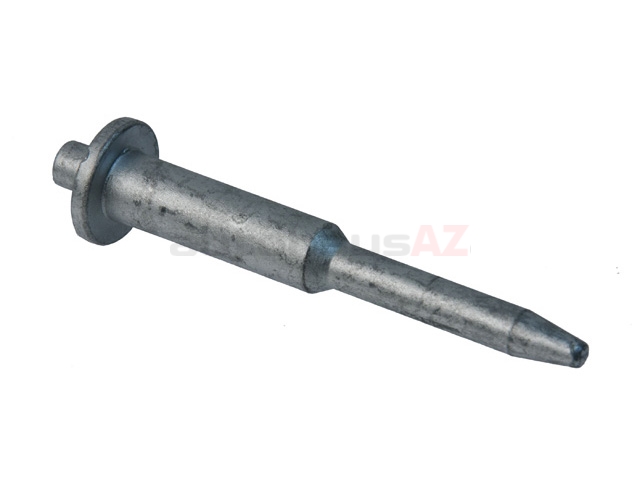
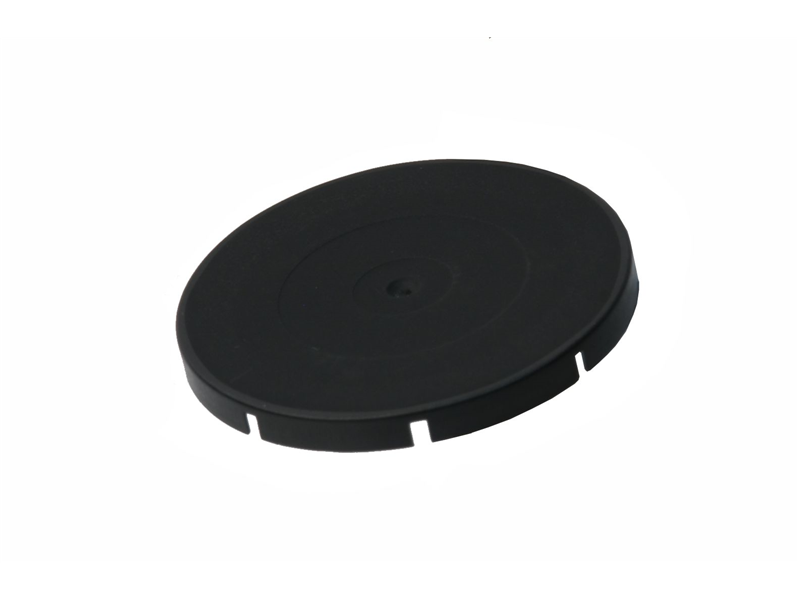
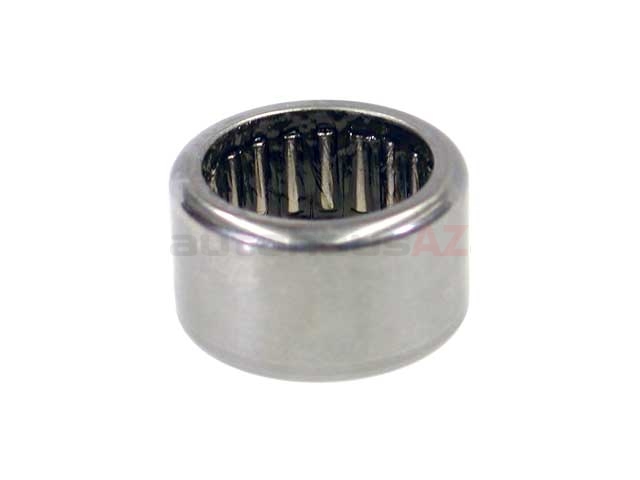
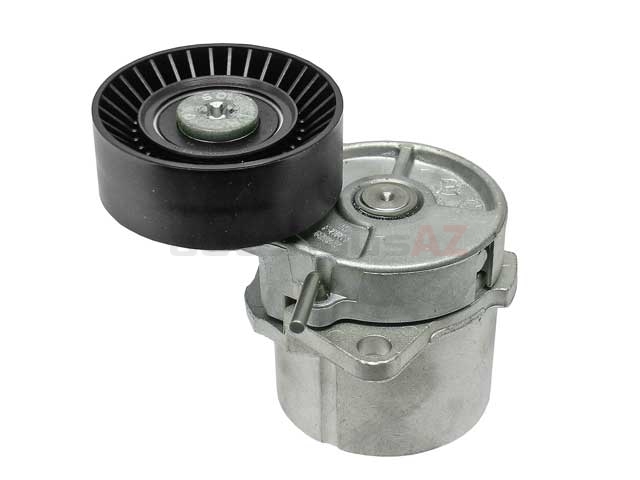
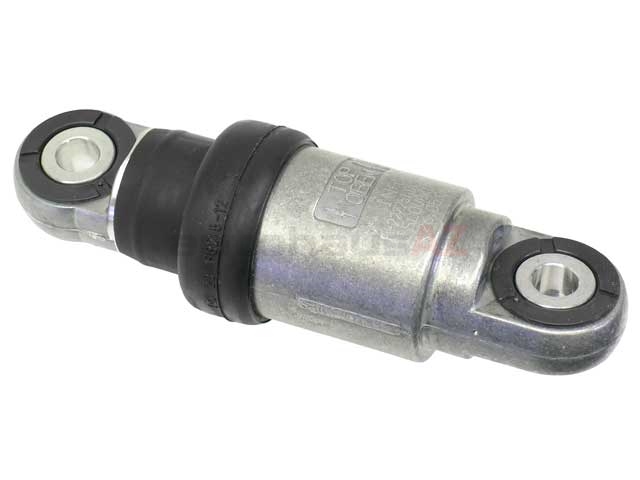
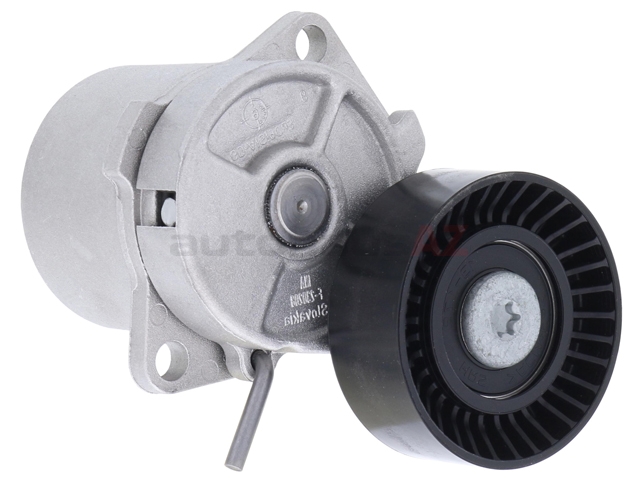
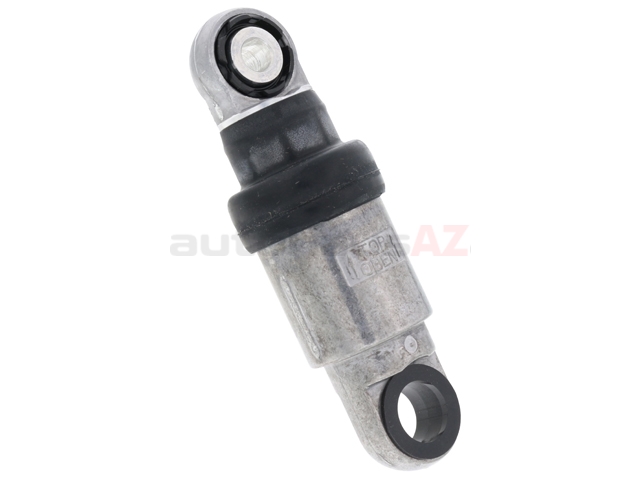
BMW E36 3-Series belt tensioner typically cost between $1.19 and $212.04.
What Are The Symptoms Of A Failing BMW E36 3-Series Belt Tensioner?
A failing BMW E36 3-Series belt tensioner usually makes itself known through a high-pitched squeal or chirping noise from the front of the engine, especially when you first start up or step on the gas. You might catch the belt flapping around more than it should or looking a bit slack while the engine’s running. Sometimes, you’ll spot cracks or fraying along the belt, usually a sign the tensioner isn’t doing its job. It’s also common for things like the alternator or power steering to act up, or even see a dashboard warning light pop on. If you notice any of this, it’s best to take a look before it leads to bigger problems.
How Do I Replace The BMW E36 3-Series Belt Tensioner?
To swap out the BMW E36 3-Series belt tensioner, first disconnect your battery just to be safe. Pop off the engine cover and move anything that’s in your way. Use a wrench to rotate the tensioner and slip the belt off. Find the bolts holding the tensioner, then take them out and remove the tensioner—sometimes it’ll be a spring-loaded type, other times, a hydraulic one. Line up the new part, tighten it in, and make sure the belt is routed around all the pulleys properly before using the tensioner to get it back in place. Fire up the engine, listen for odd sounds, and watch the belt to make sure everything’s moving like it should.
What Causes The BMW E36 3-Series Belt Tensioner To Fail?
Most of the time, BMW E36 3-Series belt tensioner problems just come down to age or mileage. The tensioner’s internal spring can lose its strength and fail to keep the belt tight after years of use. Oil leaks, coolant, or road grime can also speed up wear, especially if any of that finds its way onto the tensioner or pulley. Sometimes, issues with other pulleys or the belt itself can put extra stress on the tensioner as well. If the car’s gone through a few belts over its life, the tensioner might just be worn out.
What Should I Look For When Inspecting The BMW E36 3-Series Belt Tensioner?
When you’re checking out the BMW E36 3-Series belt tensioner, give the pulley a spin by hand—it should turn smoothly and quietly without any grinding or catching. Move the arm gently to make sure it springs back into place. Look for wobbly movement, worn-out bushings, or cracks in the housing. Oil or coolant on the tensioner is a red flag, because it can damage the internal parts. Finally, while the engine’s running, listen for any rattling, squeaking, or grinding sounds. Spotting problems early can save you from getting stranded or dealing with bigger repairs.
Should I Replace The Belt When Replacing The BMW E36 3-Series Belt Tensioner?
It’s always smart to swap out the belt whenever you’re putting in a new BMW E36 3-Series belt tensioner. Belts and tensioners kind of age together—if the belt’s got cracks, glazing, or frayed edges, it’s definitely time for a fresh one. Even if it looks decent, replacing it now saves you a lot of trouble since everything’s already apart. A new belt helps avoid annoying squeaks and makes sure everything in your accessory drive keeps running the way it should.
Need A BMW E36 3-Series Belt Tensioner Fast?
AutohausAZ makes it easy to find the right BMW E36 3-Series belt tensioner. We keep the process simple, prices fair, and ship your order quickly so you can get back on the road. Not sure it’s the right fit? Our hassle-free returns have you covered. Count on us to keep your 3-Series running strong without any added stress.